




Menu

Tenant Improvement Electrical in Los Angeles – Minimize Downtime with Industrial-Grade Build Out Solutions

Elite Electricians Los Angeles delivers commercial electrical build outs designed for business continuity. We execute tenant improvement electrical services that meet California Title 24 and LA Department of Building Safety codes without disrupting your operations.

Slider Image 1
Slider Image 2
Slider Image 3
Slider Image 4
Slider Image 5
Slider Image 7
Slider Image 8
Slider Image 9
Slider Image 10
Slider Image 11

Why Tenant Improvement Electrical Projects Fail in LA's High-Density Commercial Zones

Los Angeles commercial properties operate under strict energy compliance standards. California Title 24 mandates minimum efficiency thresholds for all tenant build out electrical systems. Downtown LA's aging infrastructure, particularly in buildings along Broadway and Spring Street, compounds these challenges. Many structures built before 1980 lack the panel capacity for modern tech office loads.

The mismatch creates risk. You lease 5,000 square feet in the Arts District for a creative studio. Your equipment demands 400-amp service. The building's existing system maxes out at 200 amps. Without proper TI electrical services, you face tripped breakers, voltage sags, and equipment damage before your lease even begins.

Commercial electrical fit outs require coordination with building ownership, utility providers, and LA Department of Building Safety inspectors. The permitting timeline alone can delay occupancy by six weeks if not managed correctly. This is not residential work scaled up. Electrical tenant finish projects demand three-phase power distribution, emergency egress lighting tied to fire alarm systems, and dedicated circuits for HVAC controls.

Your tenant finish electrical scope must account for Los Angeles Fire Department requirements for high-rise buildings. Any space above the fourth floor requires emergency power for exit signs and stairwell lighting. Projects in Fashion District buildings often uncover knob-and-tube wiring that must be remediated before any new circuits go live. These are not surprises you can afford during a 60-day lease commencement window.

Why Tenant Improvement Electrical Projects Fail in LA's High-Density Commercial Zones
How We Execute Commercial Electrical Build Outs Without Disrupting Adjacent Tenants

How We Execute Commercial Electrical Build Outs Without Disrupting Adjacent Tenants

We start with a load calculation audit. Your space has specific power density requirements based on occupancy type. A call center demands different circuitry than a medical office. We calculate actual versus available capacity before we touch a wire. If your building's main service lacks headroom, we coordinate utility upgrades with LA Department of Water and Power weeks before rough-in begins.

Our tenant build out electrical process separates into three phases. Rough-in happens during demolition when walls are open. We install conduit, junction boxes, and home runs to the panel before drywall goes up. This is when we verify all circuits meet NEC Article 220 load calculations and California Title 24 lighting control requirements. Second phase is trim-out after walls close. We install devices, fixtures, and test all circuits under load. Final phase is integration with mechanical and fire alarm systems, followed by Department of Building Safety inspection.

We manage permit acquisition and inspector scheduling. Los Angeles requires separate permits for electrical, fire alarm, and sometimes low-voltage systems depending on scope. We submit coordinated plans to avoid conflicting inspection schedules that delay your certificate of occupancy. Our electricians carry C-10 contractor licenses and pull permits under our own license number, which eliminates liability transfer to your business.

For projects in DTLA's historic core, we navigate Adaptive Reuse Ordinance requirements. These buildings have relaxed code provisions, but electrical systems still must meet current safety standards. We balance preservation guidelines with functional power distribution. The work requires coordination with the Office of Historic Resources when modifying landmark properties.

Our Three-Phase Tenant Improvement Electrical Execution Model

Tenant Improvement Electrical in Los Angeles – Minimize Downtime with Industrial-Grade Build Out Solutions
01

Site Assessment and Load Planning

We audit your building's existing electrical infrastructure and calculate total connected load for your planned space. This includes verifying main service capacity, identifying panel locations, and mapping conduit pathways through the structure. We coordinate with building engineers to schedule utility shutdowns if main panel modifications are required. All findings are documented in a preliminary electrical plan that feeds into your general contractor's construction schedule.
02

Rough-In and Circuit Installation

Our crews install all conduit, wire pulls, and junction boxes during the framing and demolition phase. We coordinate with mechanical contractors to avoid conflicts between ductwork and electrical pathways. All circuits are labeled at the panel and tested for continuity before walls close. We install dedicated circuits for kitchen equipment, server rooms, and HVAC systems per manufacturer specifications. This phase includes fire alarm device rough-in and emergency lighting circuit separation.
03

Trim-Out and Final Inspection

After drywall and ceiling installation, we return for device and fixture installation. All receptacles, switches, and lighting fixtures are installed and tested under load. We verify proper operation of occupancy sensors, dimming controls, and emergency lighting transfer switches. Our team coordinates final inspection with LA Department of Building Safety and resolves any deficiencies before your certificate of occupancy is issued. We provide as-built drawings showing all circuit pathways and panel schedules.

Why Los Angeles Landlords and Tenants Choose Elite Electricians for Commercial Build Outs

We operate exclusively in Los Angeles commercial properties. Our electricians know the difference between building codes in West LA's newer Class A office towers versus the historic structures in Downtown's jewelry district. This is not academic knowledge. We have pulled permits in every LA Department of Building Safety district office from Van Nuys to San Pedro.

California Title 24 energy compliance is non-negotiable for tenant improvement electrical work. The 2022 code revision increased lighting control requirements and mandated specific power densities by occupancy type. We design systems that pass inspection on the first attempt. Your project timeline cannot absorb re-inspection delays because someone missed the mandatory daylight harvesting controls in perimeter offices.

Our crews work during off-hours when required. If you are building out retail space in a functioning shopping center, we schedule rough-in work between 10 PM and 6 AM to avoid disrupting adjacent businesses. This is standard procedure for projects in Beverly Center, Westfield Century City, or any occupied commercial building. We carry commercial general liability coverage specific to tenant improvement work, which protects both building owners and tenants during construction.

We maintain direct relationships with inspectors at the LA Department of Building Safety. When an inspector flags a code interpretation issue, we resolve it immediately without delaying your project. Our permit success rate eliminates the uncertainty that comes with contractors who treat commercial work as an afterthought to their residential business.

Elite Electricians Los Angeles coordinates with the full construction team. We attend weekly job walks, submit RFIs through your project management platform, and adjust our schedule when mechanical or framing work falls behind. This is project management discipline, not just electrical work.

What Your Tenant Improvement Electrical Project Includes

Project Timeline and Sequencing

Typical tenant improvement electrical projects require three to six weeks depending on square footage and complexity. A 3,000 square foot office build out with standard lighting and power needs completes in three weeks from rough-in to final inspection. Larger projects with server rooms, commercial kitchens, or specialized equipment extend to six weeks. We provide a detailed schedule during preconstruction that identifies all critical path items. Our timeline accounts for LA Department of Building Safety inspection scheduling, which typically requires 48 to 72 hours notice. We coordinate our rough-in completion with your general contractor's drywall schedule to eliminate dead time.

Load Calculation and Design Review

We conduct a comprehensive electrical load analysis before any installation begins. This includes reviewing your equipment schedules, identifying peak demand periods, and calculating diversity factors for your specific occupancy type. We verify that your building's existing service has adequate capacity or coordinate utility upgrades if needed. Our design review identifies Title 24 compliance requirements including lighting power density limits and mandatory control systems. We submit preliminary plans to your architect or project manager for coordination with mechanical and plumbing trades. This front-end planning eliminates change orders and prevents mid-project scope creep that derails budgets.

Code Compliance and Inspection Management

All work is executed to current National Electrical Code and California Electrical Code standards. We handle all permit applications, plan submittals, and inspection scheduling with the LA Department of Building Safety. Our electricians understand local amendments to the NEC that are specific to Los Angeles, including seismic bracing requirements for electrical equipment and conduit. We coordinate fire alarm system integration with your building's existing fire panel and ensure all emergency lighting circuits are properly separated from general power. After final inspection approval, we provide a complete set of as-built drawings showing all circuit routing, panel schedules, and device locations for your facility management records.

Post-Occupancy Support and System Documentation

We provide detailed panel schedules, circuit directories, and system documentation at project completion. Your facility manager receives labeled panel directories that identify every circuit's purpose and location. We offer post-occupancy walkthroughs to train your staff on lighting controls, emergency systems, and basic troubleshooting procedures. If you add equipment or reconfigure your space after initial occupancy, we maintain record drawings and can execute modifications without re-engineering the entire system. Our service team remains available for any electrical issues that arise during your lease term, ensuring you have expert support when equipment malfunctions or circuits require modification.

Frequently Asked Questions

You Have Questions,
We Have Answers

How long does a landlord have to fix electrical issues? +

In Los Angeles, landlords must address habitability issues, including electrical hazards, within 30 days under California Civil Code 1941. For urgent electrical problems like exposed wiring, sparking outlets, or complete power loss, landlords should respond within 24 to 48 hours. Document all repair requests in writing and send them via certified mail. If a landlord fails to comply, tenants can file a complaint with the Los Angeles Department of Building and Safety or pursue legal remedies. For commercial properties, lease agreements typically define repair timelines, but electrical hazards affecting business continuity often require immediate attention.

What is included in tenant improvement allowance? +

A tenant improvement allowance covers costs to customize a commercial space for business operations. This typically includes electrical upgrades like additional circuits, outlet installation, lighting systems, panel upgrades, and data cabling. The allowance may also fund HVAC modifications, interior walls, flooring, ADA compliance work, and restroom upgrades. In Los Angeles, ensure your electrical contractor understands LADBS permit requirements and California Title 24 energy efficiency standards. Allowances are negotiated in the lease and can be structured as a fixed dollar amount per square foot or a lump sum. Proper documentation of all electrical work protects both parties.

What is tenant improvement coverage? +

Tenant improvement coverage refers to insurance protection for buildout investments in leased commercial space. This coverage protects your electrical upgrades, custom lighting, power distribution systems, and other improvements if damaged by fire, water, or other covered perils. Standard commercial property insurance may not cover tenant improvements you paid for, making this coverage critical for Los Angeles businesses investing significant capital in electrical infrastructure. Landlords typically insure the base building, but your improvements require separate coverage. Review your lease to determine who carries responsibility for insuring tenant improvements and ensure adequate limits match your electrical investment value.

Is electrical work considered a leasehold improvement? +

Yes, electrical work in leased commercial space qualifies as a leasehold improvement. This includes panel upgrades, circuit additions, lighting installations, outlet additions, emergency power systems, and specialized electrical infrastructure for equipment. Leasehold improvements are capital expenditures that enhance the property but remain with the landlord when the lease ends. In Los Angeles, these improvements must meet California Electrical Code and Title 24 requirements. Businesses can typically depreciate leasehold improvements over 15 years for tax purposes, though the 2017 Tax Cuts and Jobs Act modified some provisions. Consult your tax advisor and ensure all electrical work is properly documented and permitted.

Can you sue a landlord for faulty wiring? +

Yes, you can sue a landlord for faulty wiring if it causes injury or property damage due to their negligence. California law requires landlords to maintain electrical systems in safe, working condition. If you reported hazards in writing and the landlord failed to repair them, you may have grounds for a premises liability claim. Document everything: photos of issues, repair requests, correspondence, and any damages or injuries. In Los Angeles, consult an attorney familiar with California habitability laws and premises liability. For immediate electrical hazards in commercial properties, you may also have the right to hire an electrician and deduct costs from rent after proper notice.

What is a reasonable repair time? +

Reasonable repair time depends on the severity of the electrical issue. In Los Angeles commercial properties, emergency electrical hazards affecting safety or business operations should be addressed within 24 to 48 hours. Non-urgent electrical repairs typically fall within a seven to 14-day window. Major electrical upgrades requiring permits and LADBS inspections may take 30 to 60 days depending on scope and inspection scheduling. Your lease agreement should specify repair timelines and escalation procedures. For electrical issues causing business interruption, document downtime and financial impact. California law requires landlords to act with reasonable diligence, and unreasonable delays may constitute breach of lease.

What is a $40 tenant improvement allowance? +

A $40 tenant improvement allowance means the landlord provides $40 per square foot toward buildout costs. For a 2,000-square-foot space, this equals $80,000 for improvements. This allowance typically covers electrical work, lighting, HVAC, walls, flooring, and finishes. In Los Angeles, where electrical upgrades often require extensive permitting through LADBS and compliance with California Title 24 energy codes, allocate sufficient funds for electrical infrastructure. Panel upgrades, circuit additions, emergency lighting, and data cabling consume a significant portion of TI budgets. Work with an experienced electrical contractor to maximize your allowance and ensure all work meets code requirements for occupancy approval.

What is an example of a tenant improvement? +

A tenant improvement example for commercial electrical work includes adding dedicated circuits for kitchen equipment in a restaurant space, installing track lighting and display outlets in a retail store, or upgrading a panel to 400 amps for manufacturing equipment. In Los Angeles office buildings, common TI electrical work involves installing LED lighting systems, adding workstation power outlets, creating server room power infrastructure with redundant circuits, and installing emergency egress lighting per California Building Code. Medical offices require isolated ground circuits for diagnostic equipment. All tenant improvement electrical work in Los Angeles requires permits from LADBS and must comply with current California Electrical Code standards.

What does $30.00 sf yr mean? +

The notation $30.00 sf yr means $30.00 per square foot per year, the standard expression for commercial rent rates. A 1,500-square-foot space at $30.00 sf yr costs $45,000 annually or $3,750 monthly. This rate typically covers base rent only. In Los Angeles commercial leases, you also pay NNN charges covering property taxes, insurance, and common area maintenance separately. When evaluating space for electrical-intensive businesses, confirm electrical capacity and whether upgrades come from your tenant improvement allowance or require separate negotiation. Downtown Los Angeles Class A office space commands higher rates than Arts District warehouse conversions, but older buildings may require costlier electrical infrastructure upgrades.

What is the 90% rule in leasing? +

The 90% rule in commercial leasing typically refers to loan-to-cost ratios for new construction or defines when landlords receive full rent during buildout. Some Los Angeles commercial leases include provisions where tenants pay 90% of rent during the TI construction period while work, including electrical upgrades, is completed. Another interpretation involves tenant improvement allowance structures where landlords reimburse 90% of costs upfront with the final 10% paid after completion and LADBS final inspection approval. This protects landlords from incomplete work. For electrical contractors, this means coordinating permit closure and final inspections promptly to ensure your tenant client receives full reimbursement from the landlord.

How Los Angeles Building Age and Title 24 Compliance Shape Tenant Improvement Electrical Planning

Los Angeles commercial buildings present unique electrical challenges based on construction era. Structures built before 1975 in Downtown, Koreatown, and Mid-Wilshire often lack sufficient panel capacity for modern office equipment. These buildings were designed for typewriters and incandescent lighting, not server racks and LED systems with integrated controls. California Title 24 energy code requires specific lighting power densities and mandatory automatic shutoff controls for all tenant improvement electrical work. Projects in historic buildings must balance these modern requirements with structural limitations like solid concrete floors that complicate conduit routing.

Elite Electricians Los Angeles maintains established relationships with the LA Department of Building Safety's commercial plan check division. We understand the permit approval process for each district office and know which inspectors handle tenant improvement electrical work in specific zones. Our crews are familiar with the seismic bracing requirements that apply to electrical equipment in California, which exceed standard NEC provisions. This local expertise prevents plan rejections and inspection failures that delay your occupancy date. When you work with electricians who operate exclusively in Los Angeles commercial properties, you avoid the learning curve that costs time and money.
Electrical Services in The Los Angeles Area

Looking for expert electrical services near you? Elite Electricians Los Angeles proudly delivers trusted electrical solutions to homeowners and businesses throughout the greater Los Angeles area. From electrical repairs and circuit panel upgrades to lighting installations and emergency power restoration, our licensed electricians are equipped to handle it all. Whether you're in Burbank, Santa Monica, Pasadena, or surrounding neighborhoods, we’re ready to respond with speed and precision.

Address:
Elite Electricians Los Angeles, 1901 Ave of the Stars 2nd Floor, Los Angeles, CA, 90067

Additional Services We Offer

Our news updates

Latest Articles & News from The Blogs

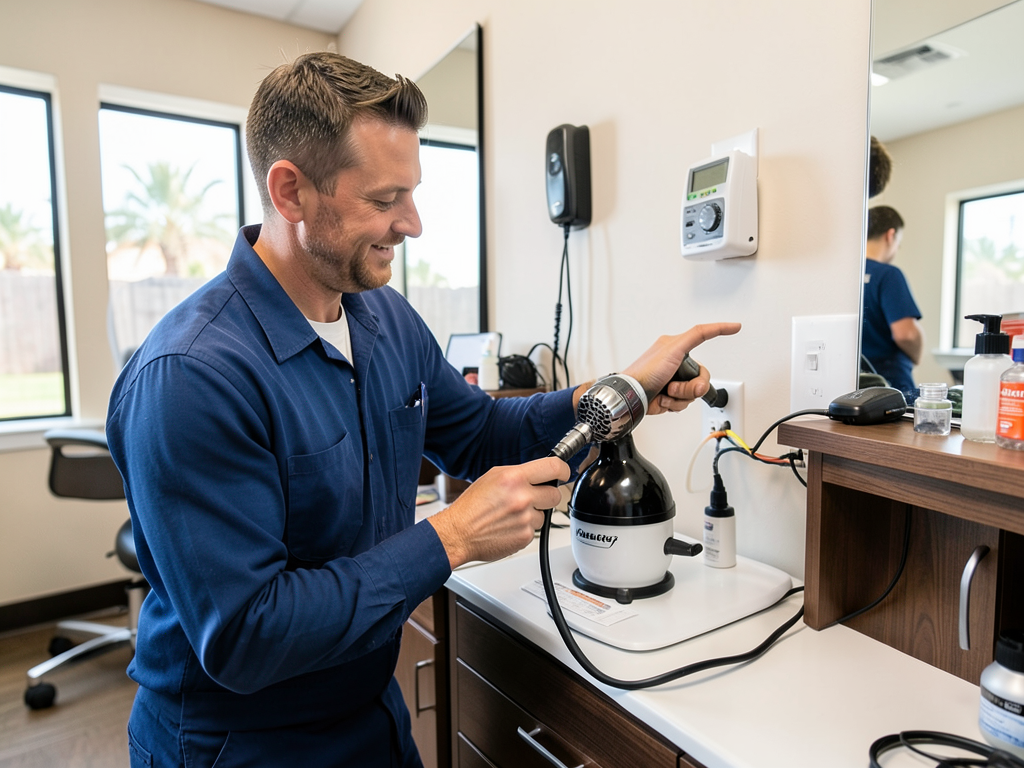
Specialized electrical requirements for opening a high-end hair salon or boutique spa in West Hollywood Opening a high-end hair salon…

Specialized electrical requirements for opening a high-end hair salon or boutique spa in West Hollywood

Specialized electrical requirements for opening a high-end hair salon or boutique spa in West Hollywood Opening a high-end hair salon…

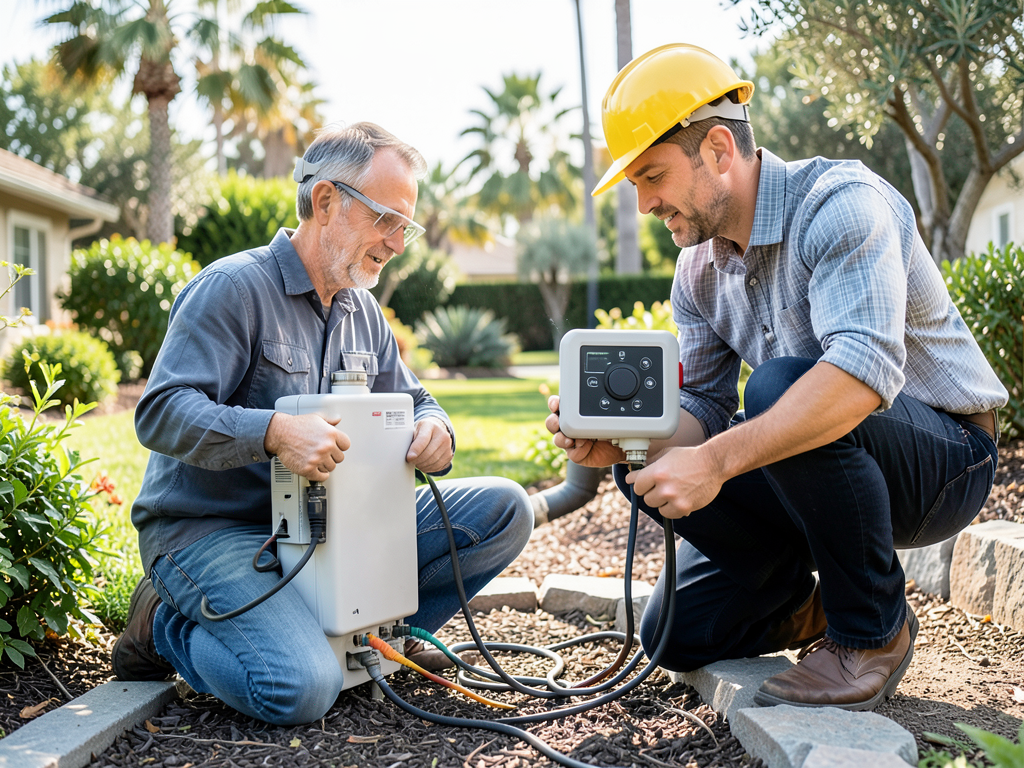
Upgrading your commercial kitchen's electrical capacity for new walk-in freezers in Historic South Central

Commercial kitchens in Historic South Central face unique electrical challenges when installing new walk-in freezers. The neighborhood’s mix of older…

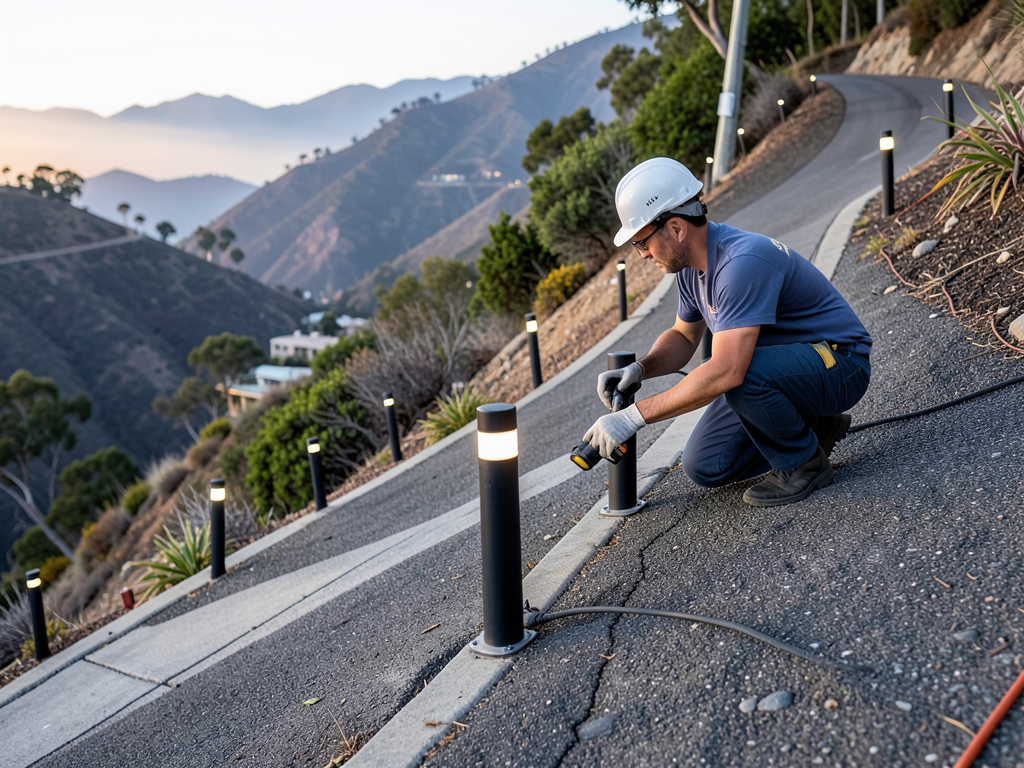
Finding the best location for a new electrical subpanel during a home addition in Arleta

Finding the best location for a new electrical subpanel during a home addition in Arleta When planning a home addition…

Contact Us

Your lease commencement date is fixed. Your electrical work should not be the bottleneck. Call Elite Electricians Los Angeles at (213)277-8815 for a load assessment and project timeline. We start with a site walk, not a sales pitch.