



Menu

Home Generator Services in Los Angeles – Backup Power Solutions for Grid Failures and Emergency Outages

Elite Electricians Los Angeles installs whole house generators and residential standby systems engineered for California's energy grid challenges, wildfire power shutoffs, and earthquake preparedness across LA County.

Slider Image 1
Slider Image 2
Slider Image 3
Slider Image 4
Slider Image 5
Slider Image 7
Slider Image 8
Slider Image 9
Slider Image 10
Slider Image 11

Why Los Angeles Homeowners Need Backup Generator Systems Now

Los Angeles residents face unique power reliability challenges that most of the country does not. The California Independent System Operator (CAISO) routinely implements rolling blackouts during peak demand periods when temperatures climb above 95 degrees across the basin. Southern California Edison has initiated over 40 Public Safety Power Shutoffs in LA County since 2018 due to wildfire risk during Santa Ana wind conditions. These preventative outages can last 48 to 72 hours, leaving homes without refrigeration, medical equipment power, or security systems.

The city's aging electrical infrastructure was not designed for current demand loads. Neighborhoods in the San Fernando Valley, Woodland Hills, and Granada Hills experience the longest outage durations due to overhead transmission lines vulnerable to wind damage and fire risk. When the San Gabriel Mountains create compression heating and humidity drops below 15 percent, utility companies shut down power to entire zones as a precautionary measure.

Home standby generator services provide the only reliable solution for continuous power during these planned and unplanned outages. Residential backup generator services protect refrigerated medications, home office equipment, sump pumps, and HVAC systems that keep your home livable during summer heat waves. Whole house generator services ensure you maintain normalcy when your neighbors sit in the dark. The question is not whether you will lose power in Los Angeles, but when, and whether you will be prepared when it happens.

Why Los Angeles Homeowners Need Backup Generator Systems Now
How Professional Generator Installation Protects Your Home

How Professional Generator Installation Protects Your Home

Installing a home standby generator requires precision electrical work that integrates with your existing service panel and natural gas or propane supply. The system consists of three critical components: the generator unit itself, an automatic transfer switch, and a dedicated fuel supply line. The transfer switch monitors utility power 24 hours a day. When it detects voltage drop or complete power loss, it signals the generator to start and physically disconnects your home from the grid to prevent backfeeding, which can electrocute utility workers repairing lines.

Generator sizing is not guesswork. We perform a load calculation based on your main service panel amperage, essential circuit requirements, and starting wattage demands for motors in air conditioners, well pumps, and refrigerators. A 22-kilowatt unit typically handles a 200-amp service panel with central air conditioning. Larger homes with multiple HVAC zones or pool equipment require 26 to 36-kilowatt systems. Undersized generators trip on overload. Oversized units waste fuel and money.

Placement follows strict clearance requirements. The unit must sit at least 18 inches from combustible walls, 60 inches from doors and windows to prevent exhaust intrusion, and on a level concrete pad that prevents settling. We trench conduit from your main panel to the transfer switch location, then to the generator pad. Natural gas line installation requires pressure testing to 90 psi to verify zero leaks before activation. The system receives final inspection from LA County building officials before we authorize startup. This is not a DIY project. Improper installation voids manufacturer coverage and creates life safety hazards.

What Happens During Your Generator Installation

Home Generator Services in Los Angeles – Backup Power Solutions for Grid Failures and Emergency Outages
01

Site Assessment and Sizing

We evaluate your property for generator placement options, measure clearances from structures and property lines, and photograph your electrical panel to document existing circuit configuration. You tell us which systems must stay operational during outages. We calculate total wattage requirements, factor in starting loads for compressor-driven appliances, and recommend the correct generator size. You receive a detailed proposal showing equipment specifications, installation scope, permit requirements, and project timeline before any work begins.
02

Installation and Integration

Our team pours the concrete generator pad, trenches electrical conduit and gas line to code depth, installs the automatic transfer switch adjacent to your main panel, and sets the generator unit on the cured pad. We terminate all electrical connections, pressure test gas lines, program the transfer switch parameters, and configure the generator controller. The system undergoes simulated power failure testing to verify automatic startup, smooth transfer switching, and proper shutdown sequencing. LA County inspectors verify all work meets National Electrical Code Article 702 requirements before we commission the system.
03

Activation and Training

After final inspection approval, we activate your generator and walk you through the control panel functions, manual override procedures, and weekly self-test observations. You learn how to check oil levels, inspect air filters, and recognize fault code warnings on the display. We provide manufacturer documentation, warranty registration details, and recommended annual maintenance schedules. Your home power generator services include a follow-up call 30 days after installation to answer questions and verify the system has completed multiple automatic self-test cycles without issues.

Why Los Angeles Homeowners Choose Elite Electricians for Generator Projects

Generator installation in Los Angeles requires specific knowledge that out-of-area contractors do not possess. The LA Department of Building and Safety enforces some of the strictest electrical codes in California. We maintain active contractor relationships with city plan check engineers who review our permit applications. This familiarity speeds approval timelines and prevents costly revision requests that delay projects by weeks.

Los Angeles sits in Seismic Design Category D, which mandates specific anchorage requirements for mechanical equipment. Your generator must be bolted to a reinforced concrete pad using code-approved wedge anchors or epoxy-set rods designed for seismic loads. The fuel supply line requires flexible connectors that accommodate ground movement during earthquakes. These are not optional upgrades. They are mandatory safety requirements we build into every installation.

We understand the fuel infrastructure challenges specific to LA neighborhoods. Some areas lack natural gas service, requiring propane tank installation and setback compliance with fire codes. Other properties have gas meters located far from ideal generator placement zones, requiring extended line runs that need proper sizing to maintain adequate pressure at the generator inlet. We have installed residential generator services in Brentwood, Pacific Palisades, Sherman Oaks, Encino, and throughout the Westside and Valley areas. We know which utility companies serve your neighborhood, their interconnection requirements, and how long permit processing takes in your specific jurisdiction.

Our electricians hold California C-10 electrical contractor licenses and manufacturer certifications from Generac, Kohler, and Cummins. We do not subcontract installation work to unlicensed technicians. The same crew that designs your system completes the installation, which ensures quality control and accountability. When you call with a service question two years after installation, you speak with someone who remembers your project and can troubleshoot your specific configuration.

What to Expect from Your Generator Installation Project

Project Timeline and Scheduling

Most residential generator installations take three to five days from permit acquisition to final inspection. Permit processing through LA County typically requires seven to ten business days, though expedited review is available for an additional fee. We schedule concrete pad work first, allowing 72 hours for curing before setting the generator. Electrical and gas line installation happens on day two, with final connections and testing on day three. City inspection adds one to two days depending on inspector availability. We coordinate all scheduling and provide you with a detailed timeline after your deposit. Weather delays are rare in Los Angeles, but we notify you immediately if unforeseen conditions affect the schedule.

Pre-Installation Consultation Process

Your initial consultation includes a thorough property walkthrough where we identify potential placement locations, measure setbacks from structures and property lines, and photograph your electrical panel configuration. We discuss which circuits you consider essential during outages. Some homeowners want whole-house coverage. Others prioritize specific systems like refrigeration, medical equipment, and one HVAC zone. We explain the cost difference between partial-home and whole-home generator services so you can make an informed decision. You receive a written proposal within 48 hours detailing equipment specifications, installation scope, permit fees, and total project investment. We answer technical questions and explain how the automatic transfer switch operates before you commit to moving forward.

Installation Quality and Performance

Your completed generator system will start automatically within 10 seconds of utility power loss, complete the transfer switch transition within 20 seconds, and restore power to your home's electrical panel without any action required from you. The generator runs at 1800 RPM, producing clean sine wave power that safely operates sensitive electronics, computers, and variable-speed HVAC equipment. Noise levels measure between 65 and 68 decibels at 23 feet, which is comparable to normal conversation volume. The unit sits on vibration-isolating mounts to minimize sound transmission through the ground. All wiring terminates inside weatherproof enclosures using listed connectors and proper torque specifications. Gas connections receive leak testing at operating pressure, and we provide written documentation of test results for your records.

Maintenance and Manufacturer Support

Your generator requires annual maintenance consisting of oil and filter changes, air filter replacement, spark plug inspection, and battery testing. Most manufacturers recommend service after the first 30 hours of operation, then annually or every 200 hours thereafter. We offer maintenance agreements that include scheduled service visits, priority emergency response, and discounted parts pricing. The generator itself carries a manufacturer limited coverage period that protects against defects in materials and workmanship. We handle all interaction with manufacturer technical support if service issues arise. The automatic transfer switch includes self-diagnostic functions that alert you to potential problems before they cause system failure. Extended coverage plans are available at the time of installation for homeowners who want long-term protection beyond the standard manufacturer period.

Frequently Asked Questions

You Have Questions,
We Have Answers

What is the cost to service a generator? +

Generator service costs vary based on unit size, fuel type, and required maintenance. A basic annual tune-up for a residential standby generator typically includes oil and filter changes, spark plug replacement, battery inspection, and system diagnostics. Costs increase if repairs are needed, such as replacing worn belts, corroded connections, or faulty sensors. Larger commercial units require more labor and materials. In Los Angeles, service providers also check for seismic anchor compliance and verify proper ventilation, especially in homes near hillside areas where air quality matters during wildfire season. Regular maintenance prevents expensive emergency repairs down the road.

How often should a home generator be serviced? +

Service your home generator at least once per year. If your unit runs frequently due to power outages or you use it for backup during peak wildfire season in Los Angeles, consider servicing it twice annually. Generators that sit idle for extended periods need attention before storm season to prevent fuel degradation and battery failure. Monthly self-tests help identify issues early, but professional technicians inspect critical components like transfer switches, fuel lines, and control boards that homeowners often miss. Regular service extends equipment life and guarantees your system activates when you need it most.

How much does a generator cost for a 2000 square foot house? +

A whole-home generator for a 2000 square foot house depends on your electrical load and fuel preference. Most homes this size require a 16-22 kW unit to power essential systems like HVAC, refrigeration, lighting, and outlets. Natural gas models are popular in Los Angeles where gas lines are accessible, while propane works better in hillside or rural areas. Installation costs vary based on placement distance from your electrical panel, permit fees, and trenching requirements for fuel lines. Expect higher costs if your property requires seismic anchoring or upgraded electrical panels to meet current code.

Do electricians install whole house generators? +

Yes, licensed electricians install whole-house generators, and in California, they must be involved in the installation. The work requires electrical panel integration, transfer switch installation, and load calculations to meet National Electrical Code standards. However, generator installation often needs both a licensed electrician and a plumber or gas fitter for fuel line connections. In Los Angeles County, permits are mandatory, and inspections verify proper grounding, clearances, and seismic anchoring. Choose contractors experienced with local building codes and utility requirements to avoid installation delays or failed inspections.

What is the lifespan of a whole home generator? +

A properly maintained whole-home generator lasts 20 to 30 years. Lifespan depends on runtime hours, maintenance frequency, fuel quality, and environmental conditions. Units in coastal Los Angeles areas face salt air corrosion, while generators in the Valley endure extreme heat that stresses components. Natural gas generators typically outlast diesel models because they produce less carbon buildup. Regular oil changes, filter replacements, and load bank testing prevent premature wear. Neglecting annual service reduces lifespan significantly. Budget for major component replacements like batteries every three to five years and control boards after 15 years.

What is the most common problem with generators? +

Battery failure is the most common generator problem. Generators rely on batteries to start during power outages, but batteries degrade without regular charging cycles. Corroded terminals, sulfation from sitting idle, and extreme temperatures in Los Angeles garages accelerate failure. Fuel issues rank second, including stale gasoline, clogged fuel filters, and carburetor gum buildup in portable units. Standby generators face control board glitches and sensor malfunctions. Regular maintenance catches these issues before they strand you without power. Monthly self-tests keep batteries charged and circulate oil to prevent internal corrosion.

What is the 20 20 20 rule for generators? +

The 20-20-20 rule means running your generator under load for 20 minutes every 20 days at 20 percent capacity or higher. This practice prevents wet stacking in diesel generators, where unburned fuel accumulates in the exhaust system, causing carbon buildup and reduced efficiency. The rule also applies to natural gas and propane units by circulating oil, charging the battery, and keeping internal components lubricated. In Los Angeles, where generators may sit idle between wildfire seasons, following this rule prevents mechanical issues. Modern standby generators often automate this process with weekly self-test cycles.

Can I service my Generac generator myself? +

You can perform basic Generac maintenance like checking oil levels, inspecting air filters, and testing the unit monthly. However, professional service is necessary for tasks requiring technical expertise, such as adjusting valve clearances, testing the transfer switch, or diagnosing control board errors. California building codes and manufacturer warranties often require licensed professionals for repairs and annual inspections. DIY mistakes can void warranties or create safety hazards like gas leaks or electrical faults. In Los Angeles County, permit requirements mean any significant work needs licensed contractors. Handle simple upkeep yourself, but leave complex service to trained technicians.

What is the most common problem with Generac generators? +

Control board failures and sensor malfunctions are common Generac problems. The control board manages startup sequences, shutdown protocols, and system diagnostics. Circuit failures, voltage spikes during grid fluctuations, or moisture intrusion cause board malfunctions. Sensor issues include faulty oil pressure sensors, temperature sensors, and speed sensors that trigger false alarms or prevent startup. Battery problems rank high, especially in Los Angeles heat that accelerates battery degradation. Regular firmware updates and annual inspections catch early warning signs. Generac units also experience carburetor issues in older models and fuel system problems from stale gas during long idle periods.

Is a home generator tax-deductible? +

Home generators are generally not tax-deductible for personal residences. The IRS classifies them as capital improvements that increase property value, not deductible expenses. However, if you operate a home-based business in Los Angeles, you may deduct a proportional cost as a business expense. Medical necessity provisions allow deductions if a physician certifies you require continuous power for life-sustaining equipment. California offers no state tax credits for residential generators, unlike solar systems. Consult a tax professional familiar with California regulations. Commercial properties can depreciate generator costs over time as business equipment.

How Wildfire Risk and Public Safety Power Shutoffs Make Generator Services Critical in Los Angeles

Southern California Edison has divided Los Angeles County into High Fire Risk Zones based on vegetation density, historical fire patterns, and transmission line exposure. During Santa Ana wind events, when gusts exceed 40 miles per hour and relative humidity drops below 10 percent, the utility implements Public Safety Power Shutoffs that can affect over 100,000 customers across LA County. These shutoffs target areas near the Angeles National Forest, Topanga State Park, and other wildland-urban interface zones where power lines pose ignition risks. Residents in these zones lose power for 48 to 96 hours while crews patrol lines and verify safe conditions. Whole house generator services provide the only reliable solution for maintaining power during these increasingly frequent preventative outages. Your home remains powered regardless of utility company risk mitigation strategies.
Electrical Services in The Los Angeles Area

Looking for expert electrical services near you? Elite Electricians Los Angeles proudly delivers trusted electrical solutions to homeowners and businesses throughout the greater Los Angeles area. From electrical repairs and circuit panel upgrades to lighting installations and emergency power restoration, our licensed electricians are equipped to handle it all. Whether you're in Burbank, Santa Monica, Pasadena, or surrounding neighborhoods, we’re ready to respond with speed and precision.

Address:
Elite Electricians Los Angeles, 1901 Ave of the Stars 2nd Floor, Los Angeles, CA, 90067

Additional Services We Offer

Our news updates

Latest Articles & News from The Blogs

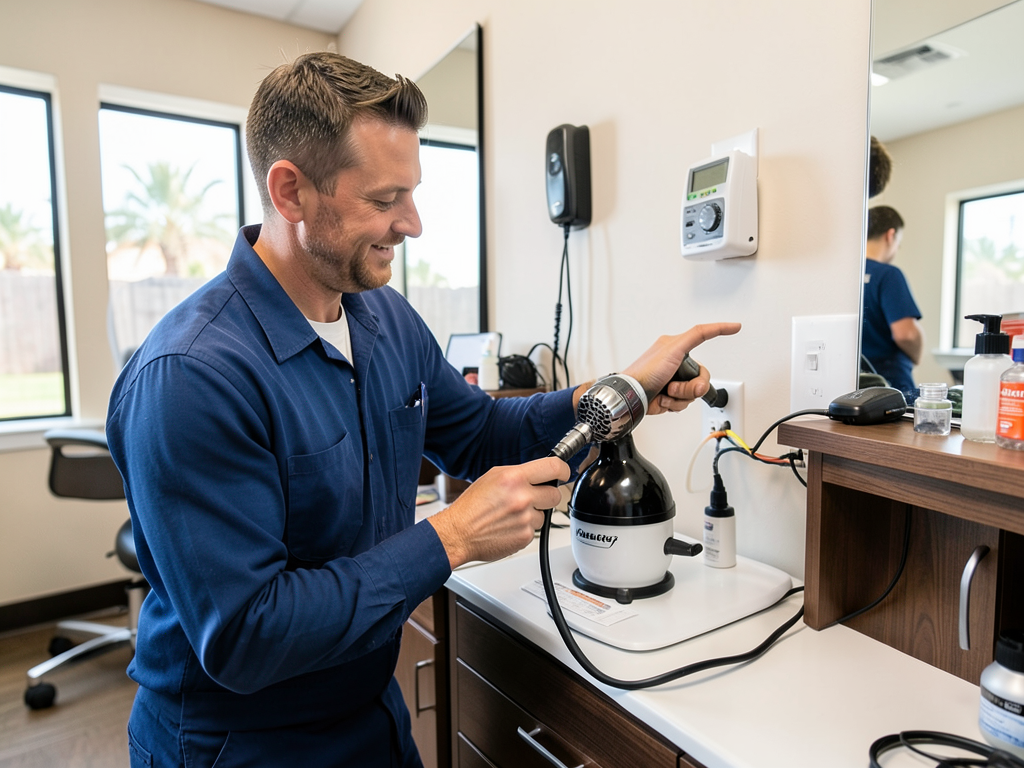
Specialized electrical requirements for opening a high-end hair salon or boutique spa in West Hollywood Opening a high-end hair salon…

Specialized electrical requirements for opening a high-end hair salon or boutique spa in West Hollywood

Specialized electrical requirements for opening a high-end hair salon or boutique spa in West Hollywood Opening a high-end hair salon…

Upgrading your commercial kitchen's electrical capacity for new walk-in freezers in Historic South Central

Commercial kitchens in Historic South Central face unique electrical challenges when installing new walk-in freezers. The neighborhood’s mix of older…

Finding the best location for a new electrical subpanel during a home addition in Arleta

Finding the best location for a new electrical subpanel during a home addition in Arleta When planning a home addition…

Contact Us

Do not wait until the next Public Safety Power Shutoff leaves you without electricity. Call Elite Electricians Los Angeles at (213)277-8815 now for a free generator consultation and load calculation. We will design a backup power system that keeps your home running when the grid fails.