



Menu

Signs of Electrical Fire Hazards in Los Angeles | Identify Warning Indicators Before Disaster Strikes

Learn to recognize the critical electrical fire indicators that threaten Los Angeles homes and businesses, from flickering lights to burning smells, before they escalate into catastrophic property damage.

Slider Image 1
Slider Image 2
Slider Image 3
Slider Image 4
Slider Image 5
Slider Image 7
Slider Image 8
Slider Image 9
Slider Image 10
Slider Image 11

Why Los Angeles Properties Face Elevated Electrical Fire Risks

Los Angeles homes and commercial buildings face unique electrical fire risks that many property owners overlook until it's too late. The city's aging housing stock, particularly in neighborhoods like Silver Lake, Echo Park, and West Adams, often contains outdated aluminum wiring and overloaded electrical panels that predate modern safety codes. When you combine these legacy systems with Southern California's dry climate and notorious Santa Ana wind conditions, you create a perfect storm for electrical fires.

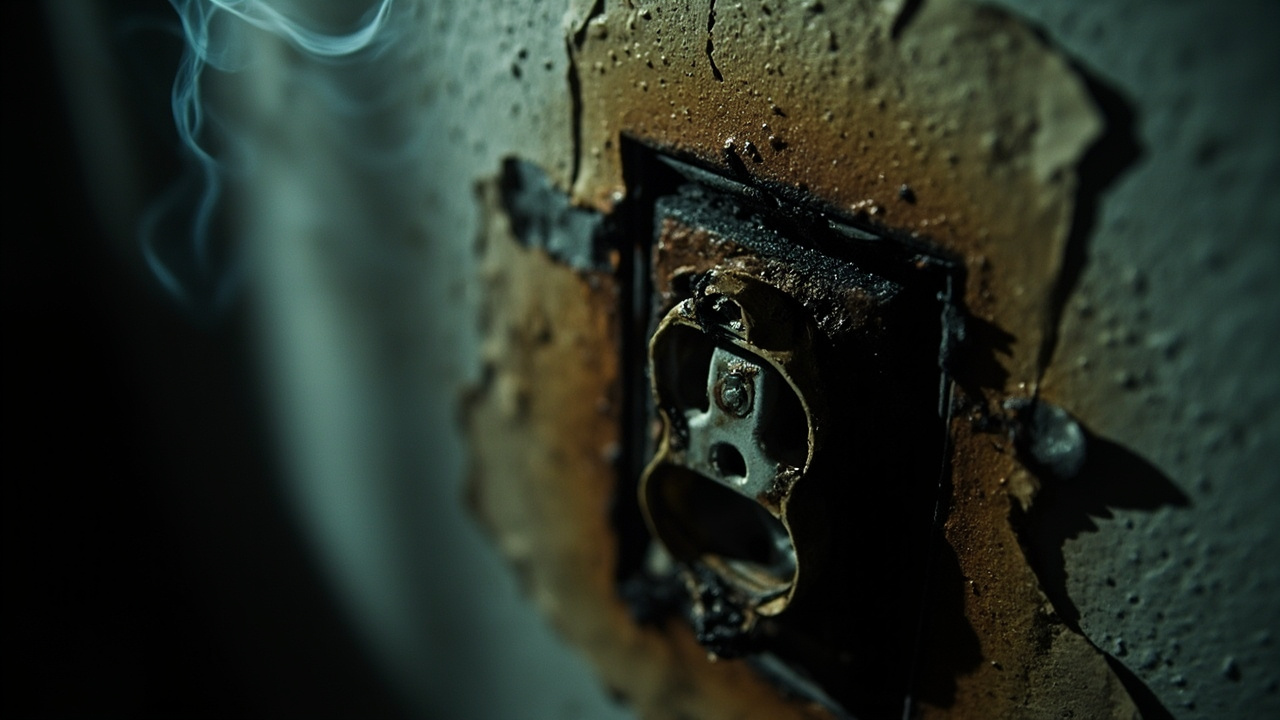
The warning signs of electrical fires appear gradually. You might notice your circuit breaker tripping repeatedly, outlets that feel warm to the touch, or lights that flicker when you run major appliances. These electrical fire indicators signal serious problems within your wiring system. The smell of burning plastic near outlets or your electrical panel represents one of the most urgent symptoms of home electrical hazards.

Many Los Angeles properties, especially those built before 1970, lack adequate grounding and contain insufficient amperage for modern electrical demands. When you plug in high-draw devices like air conditioning units, electric vehicle chargers, or multiple electronics into outdated systems, you stress circuits beyond their design limits. This overload creates heat buildup in wire insulation, the primary catalyst for residential electrical fires.

Identifying electrical fire risks early protects your family and property. Faulty wiring warning signs include discolored outlet covers, sparking when you plug in devices, buzzing sounds from switches, and that distinctive acrid smell near electrical components. Elite Electricians Los Angeles responds to these dangerous conditions across the greater Los Angeles metro area, from Downtown to the Valley, because we understand how quickly electrical problems escalate in our specific climate and housing conditions.

Why Los Angeles Properties Face Elevated Electrical Fire Risks
How Professional Electrical Safety Assessments Protect Your Property

How Professional Electrical Safety Assessments Protect Your Property

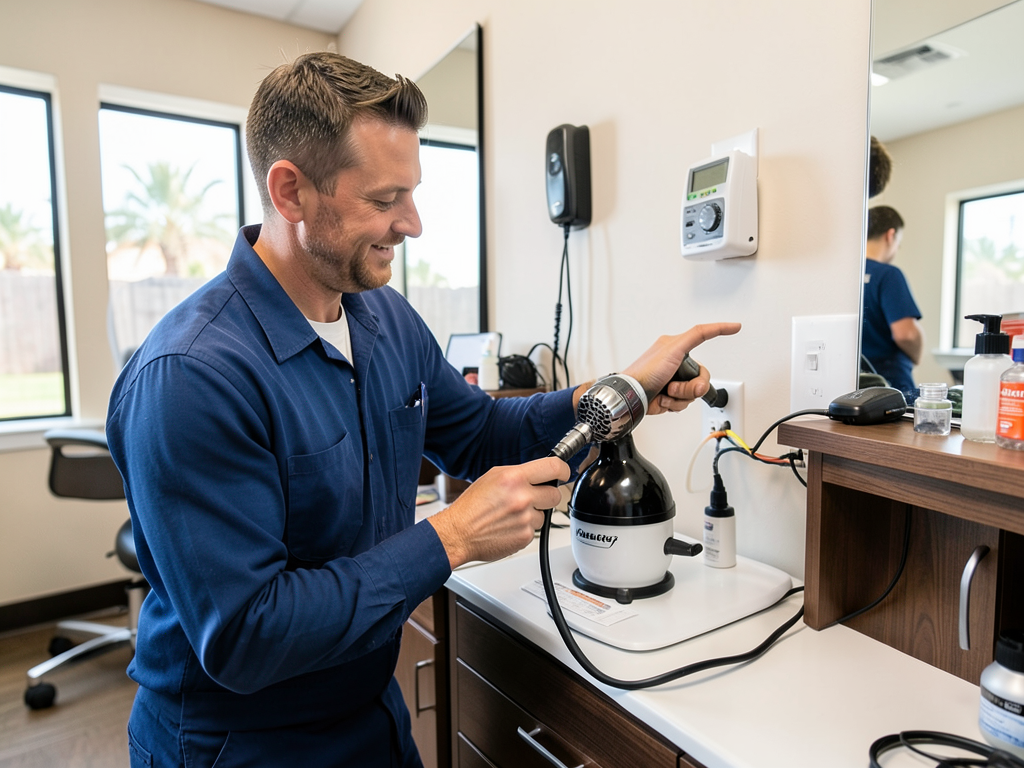
Recognizing signs of electrical fire hazards requires more than a visual inspection. Professional electricians use thermal imaging cameras to detect hot spots behind walls where wire insulation has degraded. These infrared assessments reveal temperature anomalies at connection points, junction boxes, and along circuit runs that indicate resistance buildup and potential ignition points.

We test your electrical panel for proper load distribution across circuits. An imbalanced panel forces certain breakers to carry excessive amperage, creating heat at bus bar connections and circuit terminations. Using a clamp meter, we measure actual current draw against rated capacity to identify circuits operating beyond safe thresholds. This quantitative approach eliminates guesswork.

Your ground fault circuit interrupters and arc fault circuit interrupters serve as critical safety devices, but they degrade over time. We verify these protective mechanisms respond correctly to fault conditions. A GFCI that fails to trip during testing leaves you vulnerable to shock hazards, while a malfunctioning AFCI cannot detect the dangerous arcing that precedes many electrical fires.

Aluminum wiring presents specific challenges in Los Angeles's older homes. The metal expands and contracts with temperature fluctuations, loosening connections at termination points. We inspect these junctions for oxidation and apply anti-oxidant paste at properly torqued connections. Copper pigtails installed at devices prevent the direct aluminum-to-device contact that causes most aluminum wiring failures.

Your electrical service entrance and meter base also require examination. Corroded lugs at the weatherhead or loose connections at the meter socket create resistance, generating heat that can ignite surrounding materials. We check for proper wire sizing from the utility connection through your main disconnect to verify your service equipment matches your actual electrical load.

What Happens During an Electrical Fire Hazard Assessment

Signs of Electrical Fire Hazards in Los Angeles | Identify Warning Indicators Before Disaster Strikes
01

Initial System Evaluation

We begin by documenting your electrical panel configuration, including the age of your service equipment, amperage rating, and breaker types installed. You receive a detailed inventory of your home's electrical infrastructure, identifying outdated components that fail to meet current National Electrical Code standards. This baseline assessment establishes which areas demand immediate attention versus those requiring future upgrades as part of your property's long-term electrical safety plan.
02

Comprehensive Circuit Testing

Using diagnostic equipment, we test each circuit for proper grounding, voltage consistency, and load capacity. This process reveals hidden problems like backstabbed connections, undersized wiring for circuit demands, and shared neutral conditions that create fire risks. We measure voltage drop across long circuit runs to identify resistance issues. You see exactly which circuits pose hazards and why they need correction before they fail catastrophically.
03

Prioritized Repair Recommendations

You receive a written report categorizing electrical fire hazards by severity level. Critical issues like exposed wiring, burnt connections, and overheated panels get flagged for immediate correction. Moderate concerns and preventive upgrades appear in a timeline-based plan. This structured approach helps you address the most dangerous conditions first while budgeting for comprehensive electrical system improvements that protect your Los Angeles property for decades.

Why Los Angeles Property Owners Trust Local Electrical Expertise

Electrical fire prevention requires intimate knowledge of Los Angeles building codes and the specific challenges our local housing stock presents. The Los Angeles Department of Building and Safety enforces strict requirements for electrical upgrades, particularly in homes undergoing remodels or additions. Elite Electricians Los Angeles navigates these permitting requirements daily, ensuring your electrical improvements meet inspection standards the first time.

We understand the construction methods common to different Los Angeles eras. Homes built during the post-war boom used different materials and techniques than the Spanish Colonial Revival properties in neighborhoods like Hancock Park or the mid-century modern constructions in the Hollywood Hills. Each architectural style presents unique electrical access challenges and specific fire risk factors based on original installation methods.

Los Angeles's seismic activity adds another layer to electrical safety considerations. Earthquake movement can loosen electrical connections, crack conduit runs, and stress service entrance cables. We examine your electrical system for signs of seismic damage that might not be immediately visible but create dangerous conditions. Flexible conduit installations and properly secured panels resist earthquake forces better than rigid installations common in older properties.

The city's push toward electrification increases demands on residential electrical systems. When you add electric vehicle charging, heat pump systems, or solar panel installations to a home originally designed for basic lighting and appliance loads, you need a properly upgraded electrical service. We calculate your total electrical demand and determine whether your existing 100-amp or 125-amp service can safely support modern loads or requires an upgrade to 200-amp capacity.

Our familiarity with Los Angeles's microclimates matters too. Coastal properties face salt air corrosion on outdoor electrical equipment, while Valley locations endure extreme temperature swings that stress wire insulation and connection integrity. These location-specific factors influence how we assess electrical fire risks across different parts of the city.

What You Can Expect from Professional Electrical Fire Hazard Services

Rapid Response Times

When you notice warning signs of electrical fires like burning smells or sparking outlets, waiting creates danger. We dispatch electricians to Los Angeles properties within hours, not days. Emergency electrical situations receive same-day response throughout the metro area. You get a trained professional who arrives equipped with diagnostic tools and common repair materials to address immediate hazards on the first visit. For urgent safety concerns, we provide 24/7 availability because electrical fires don't wait for business hours.

Thorough Electrical Inspections

Our electrical safety assessment examines every component of your property's electrical system, from the service entrance to the furthest outlet. We open your electrical panel to inspect breaker connections, bus bar condition, and proper circuit labeling. Using thermal imaging technology, we scan walls for hot spots that indicate hidden wiring problems. You receive documentation of every electrical fire indicator we discover, complete with photographs and technical explanations. This comprehensive approach catches problems that basic inspections miss.

Code-Compliant Electrical Repairs

Every electrical repair we perform meets current National Electrical Code standards and Los Angeles municipal requirements. When we correct faulty wiring warning signs, we don't just patch the immediate problem. We bring that portion of your electrical system up to modern safety standards. This means proper wire sizing for the load, correct termination methods at all connection points, and appropriate overcurrent protection. You get work that passes inspection and protects your property long-term, not quick fixes that create future problems.

Ongoing Electrical Safety Support

Electrical systems require periodic evaluation as they age and as your power demands change. We recommend follow-up inspections every three to five years for residential properties and annually for commercial buildings with heavy electrical loads. You receive reminders when your system is due for reassessment. We maintain records of your electrical infrastructure, tracking changes and upgrades over time. This documentation proves valuable during property sales and insurance claims, demonstrating your commitment to maintaining a safe electrical system.

Frequently Asked Questions

You Have Questions,
We Have Answers

What are the warning signs of an electrical fire? +

Watch for flickering or dimming lights, especially when you turn on appliances. Discolored or scorched outlets and switch plates signal overheating wiring. Burning smells, often described as acrid or fishy, indicate insulation breakdown. Sparking or arcing from outlets is a critical red flag. Circuit breakers that trip repeatedly point to overloaded circuits or faulty wiring. Warm or hot outlets and switch plates mean dangerous heat buildup. Buzzing or sizzling sounds from your electrical panel suggest loose connections. In older Los Angeles homes built before 1970, outdated aluminum wiring increases fire risk significantly. Never ignore these signs.

What are the 5 main electrical hazards? +

The five main electrical hazards are faulty or damaged wiring, which degrades over time and causes shorts. Overloaded circuits occur when you draw more power than wiring can handle. Water exposure near electrical systems creates electrocution and fire risks, common in Los Angeles bathrooms and kitchens. Improper grounding prevents fault currents from safely dissipating. Outdated electrical panels, like Federal Pacific or Zinsco brands common in older LA neighborhoods, fail to trip during overloads. Many homes in Mid-City and Koreatown still have undersized 60-amp panels that cannot support modern electrical demands. Each hazard requires professional assessment and correction.

How to tell if an electrical fire started? +

If an electrical fire started, you will smell burning plastic or rubber from melting wire insulation. Look for blackened or melted outlets, switch plates, or appliance cords. Smoke may appear from walls, outlets, or your electrical panel. Lights throughout your home may flicker or go out completely. The fire often starts inside walls or ceiling cavities, making it hard to spot immediately. You might hear popping or crackling sounds before flames appear. In Los Angeles homes with stucco exteriors, smoke may exit through soffit vents. If you suspect an electrical fire, cut power at the main panel and evacuate immediately.

Will a breaker trip before a fire starts? +

A properly functioning breaker should trip before a fire starts, but this is not guaranteed. Breakers protect against overloads and shorts by cutting power when current exceeds safe levels. However, worn or defective breakers may fail to trip. Loose connections create arcing that generates heat without tripping the breaker. Older panels in Los Angeles homes, especially Federal Pacific Stab-Lok breakers installed before 1980, have documented failure rates exceeding 25 percent. Faulty wiring downstream from the breaker can also overheat without drawing enough current to trip. Never rely solely on breakers for fire protection. Annual electrical inspections catch these failures.

Where do most electrical fires start in a house? +

Most electrical fires start in bedrooms, followed closely by kitchens and living areas. Bedrooms contain numerous outlets with lamps, chargers, and space heaters that overload circuits. Kitchens demand high power for multiple appliances running simultaneously. Living rooms often have overloaded power strips for entertainment systems. Electrical panels themselves rank high as ignition points when breakers fail. In older Los Angeles homes, especially in historic districts like West Adams or Highland Park, fires often originate in walls where outdated knob-and-tube or aluminum wiring deteriorates. Attics with recessed lighting and insufficient clearance from insulation also pose significant risks.

What are the 5 critical fire behavior indicators? +

The five critical fire behavior indicators help predict fire progression. Smoke color and density reveal fuel type and fire intensity. Dark, thick smoke indicates incomplete combustion and high heat. Flame color shifts from red to orange to yellow to white as temperature increases. Heat levels measured at different heights show thermal layering and potential flashover conditions. Smoke movement patterns indicate ventilation paths and air flow direction. Building construction features, like balloon framing common in older Los Angeles homes, create vertical shafts that spread fire rapidly. Sound indicators including crackling, roaring, or sudden silence suggest changing conditions. These indicators guide firefighter strategy and evacuation timing.

What are the three most common electrical hazards that can result in a fire? +

Faulty or damaged wiring causes the most electrical fires, often from rodent damage, age-related insulation breakdown, or amateur repairs. Overloaded circuits result when you plug too many devices into outlets not designed for high amperage. This is common in Los Angeles apartments and older homes with limited outlets. Misused extension cords and power strips create heat buildup when overloaded or run under carpets. Space heaters plugged into undersized circuits trip breakers or overheat wiring. These three hazards account for over 70 percent of residential electrical fires nationwide. Los Angeles homes built before 1970 face higher risk due to outdated wiring standards.

What are the signs of an overloaded circuit? +

An overloaded circuit shows multiple warning signs. Breakers trip frequently when you run several appliances simultaneously. Lights dim noticeably when you turn on high-draw devices like microwaves or hair dryers. Outlets and switch plates feel warm or hot to touch. You smell burning plastic near outlets or inside walls. Plugs fit loosely in outlets from repeated arcing damage. Discoloration or scorch marks appear around outlets. Buzzing sounds come from outlets or switches. Los Angeles homes with original 60-amp service, common in neighborhoods built before 1965, experience these symptoms regularly. Upgrading your electrical panel and adding dedicated circuits solves overload problems permanently.

How do I identify electrical hazards? +

Start by checking outlet and switch plate temperatures. Warm surfaces indicate overheating wiring. Inspect cords for fraying, cracking, or exposed copper. Look for discoloration around outlets, which signals arcing. Test all GFCI outlets monthly using the test button. Check your electrical panel for rust, corrosion, or burnt smells. Note any buzzing, humming, or crackling sounds from switches or panels. Count how many devices you plug into each outlet, avoiding daisy-chained power strips. In Los Angeles, schedule professional inspections every three to five years, or sooner in homes built before 1980. Certified electricians use thermal imaging to detect hidden hot spots inside walls.

Is there a smell before an electrical fire? +

Yes, a distinct smell precedes most electrical fires. You will notice an acrid, burning plastic odor as wire insulation melts. Some describe it as fishy or chemical-like. The smell often appears near outlets, appliances, or inside walls where wiring runs. Older homes in Los Angeles with cloth-wrapped wiring may produce a burning fabric smell. Melting circuit breakers create a hot, metallic odor inside electrical panels. This smell is your early warning system. If you detect any burning odor without an obvious source, shut off power at the main panel and call a licensed electrician immediately. Never ignore unexplained burning smells.

How Los Angeles's Dry Climate and Housing Age Amplify Electrical Fire Risks

Los Angeles's Mediterranean climate creates specific conditions that accelerate electrical system degradation. The prolonged dry seasons reduce humidity levels inside walls and attics where electrical wiring runs. This desiccation makes wire insulation brittle and prone to cracking, especially in homes built before 1980 when wire insulation formulations were less durable. When insulation fails, bare conductors contact wood framing members or metal junction boxes, creating arc paths that ignite surrounding materials. The Santa Ana winds that plague the region from October through April further dry out building materials, making them more combustible when electrical faults occur. Identifying electrical fire risks before the start of fire season protects Los Angeles properties when conditions are most dangerous.

Elite Electricians Los Angeles maintains relationships with local building inspectors and stays current on Los Angeles Department of Building and Safety code amendments. This local expertise matters when addressing symptoms of home electrical hazards in properties across diverse neighborhoods from Boyle Heights to Pacific Palisades. We understand which older electrical installations the city requires upgraded during renovations and which can remain if they pass safety testing. Our familiarity with local permit processes means your electrical repairs progress smoothly through inspection. When you choose a local electrical contractor, you get someone who knows the inspectors, understands the specific challenges Los Angeles buildings present, and maintains the relationships that keep your project moving forward.
Electrical Services in The Los Angeles Area

Looking for expert electrical services near you? Elite Electricians Los Angeles proudly delivers trusted electrical solutions to homeowners and businesses throughout the greater Los Angeles area. From electrical repairs and circuit panel upgrades to lighting installations and emergency power restoration, our licensed electricians are equipped to handle it all. Whether you're in Burbank, Santa Monica, Pasadena, or surrounding neighborhoods, we’re ready to respond with speed and precision.

Address:
Elite Electricians Los Angeles, 1901 Ave of the Stars 2nd Floor, Los Angeles, CA, 90067

Additional Services We Offer

Our news updates

Latest Articles & News from The Blogs

Hardwired vs Battery Powered Smart Security Cameras for Your Baldwin Hills Property Choosing between hardwired and battery powered security cameras…

Hardwired vs battery powered smart security cameras for your Baldwin Hills property

Hardwired vs Battery Powered Smart Security Cameras for Your Baldwin Hills Property Choosing between hardwired and battery powered security cameras…

What it actually costs to move your main electrical meter in North Hollywood

What it actually costs to move your main electrical meter in North Hollywood Moving an electrical meter sounds simple until…

Is Your Toluca Lake Home Ready for Solar Panels? (How to Check Your Electrical Capacity)

Is Your Toluca Lake Home Ready for Solar Panels? (How to Check Your Electrical Capacity) Thinking about adding solar panels…

Contact Us

Don't wait for electrical fire indicators to escalate into disaster. Call Elite Electricians Los Angeles at (213)277-8815 right now. We'll dispatch a licensed electrician to evaluate your property's electrical safety and identify any warning signs of electrical fires before they threaten your home or business.