




Menu

EV Charger Installation in Los Angeles – Level 2 Charging Ready in 24 Hours

Elite Electricians Los Angeles installs hardwired Level 2 EV chargers with full code compliance, electrical panel upgrades, and permit handling for single-family homes, multi-unit properties, and commercial fleets across LA County.

Slider Image 1
Slider Image 2
Slider Image 3
Slider Image 4
Slider Image 5
Slider Image 7
Slider Image 8
Slider Image 9
Slider Image 10
Slider Image 11

Why Los Angeles Homeowners Need Professional Electric Vehicle Charger Installation

You bought an electric vehicle to save on gas and reduce emissions. Now you face a new problem. Your standard 120-volt outlet takes 24 hours to charge your EV battery to 80 percent. You need a Level 2 charger that delivers a full charge in four to six hours, but your garage electrical panel was built in 1985 and cannot handle the 240-volt, 40-amp load.

Los Angeles's aging housing stock creates a specific challenge for electric car charging station setup. Most homes in neighborhoods like Silver Lake, Highland Park, and Mar Vista were wired decades before electric vehicles existed. The electrical panels in these homes lack the capacity for a dedicated 240-volt circuit. Many still run on 100-amp service, which maxes out when you add air conditioning, a dryer, and an electric vehicle charger.

Installing electric car chargers requires more than mounting hardware on your garage wall. You need a site evaluation to determine if your panel can support the load, a dedicated circuit with proper gauge wiring, GFCI protection, and compliance with California Electrical Code Title 24 and Los Angeles Department of Building and Safety amendments. You also need permits pulled, inspections scheduled, and final approval from the city before you can legally charge your vehicle.

Trying to install a Level 2 charger without upgrading your electrical service creates fire risk, tripped breakers, and voided equipment warranties. The electric vehicle charger wiring must match the amperage rating on your charger, typically 40 or 50 amps, and the installation must include proper grounding and bonding to prevent electrical shock.

Why Los Angeles Homeowners Need Professional Electric Vehicle Charger Installation
How We Install EV Charging Points That Last

How We Install EV Charging Points That Last

We start every EV charging point installation with a load calculation on your main electrical panel. This calculation determines how much spare capacity exists after accounting for your HVAC system, major appliances, and continuous loads. If your panel runs at or above 80 percent capacity, we recommend a service upgrade to 200 amps before installing the charger. This prevents nuisance tripping and ensures your home can handle future electrical demands.

Next, we run a dedicated 240-volt circuit from your panel to the charger location. We use copper THHN conductors sized to the charger's maximum amperage rating, typically 6 AWG for 40-amp chargers or 4 AWG for 50-amp chargers. The circuit includes a two-pole breaker in the panel and a NEMA 14-50 receptacle or hardwired connection at the charger, depending on your equipment model. We install conduit to protect the wiring from physical damage and ensure compliance with California's seismic requirements.

The charger mounting location matters. We position the unit so the charging cable reaches your vehicle's charge port without stretching across walkways or driveways. For outdoor installations, we use weatherproof enclosures rated NEMA 3R or higher to protect against rain and UV exposure. For garage installations, we mount the charger on a wall stud or backing board to support the unit's weight and prevent sagging.

We handle the permit process from application to final inspection. This includes submitting electrical plans to the Los Angeles Department of Building and Safety, scheduling the rough and final inspections, and addressing any corrections requested by the inspector. We also coordinate with your utility company if you need a meter upgrade or want to enroll in time-of-use rates for off-peak EV charging.

What Happens During Your EV Charger Installation

EV Charger Installation in Los Angeles – Level 2 Charging Ready in 24 Hours
01

Site Evaluation and Load Analysis

We inspect your electrical panel to determine available capacity and assess the condition of your service entrance conductors. We measure the amperage of your main breaker, calculate your home's existing electrical load, and determine if a panel upgrade is necessary before installing the charger. We also evaluate the distance from your panel to the charger location to calculate voltage drop and select the correct wire gauge.
02

Circuit Installation and Wiring

We install a dedicated 240-volt circuit using copper conductors sized to match your charger's amperage requirements. The wiring runs from your electrical panel to the charger location in conduit for protection and code compliance. We install a two-pole breaker in the panel and terminate the conductors at the charger mounting location. All connections are torqued to manufacturer specifications and tested for continuity and grounding integrity.
03

Charger Mounting and Final Inspection

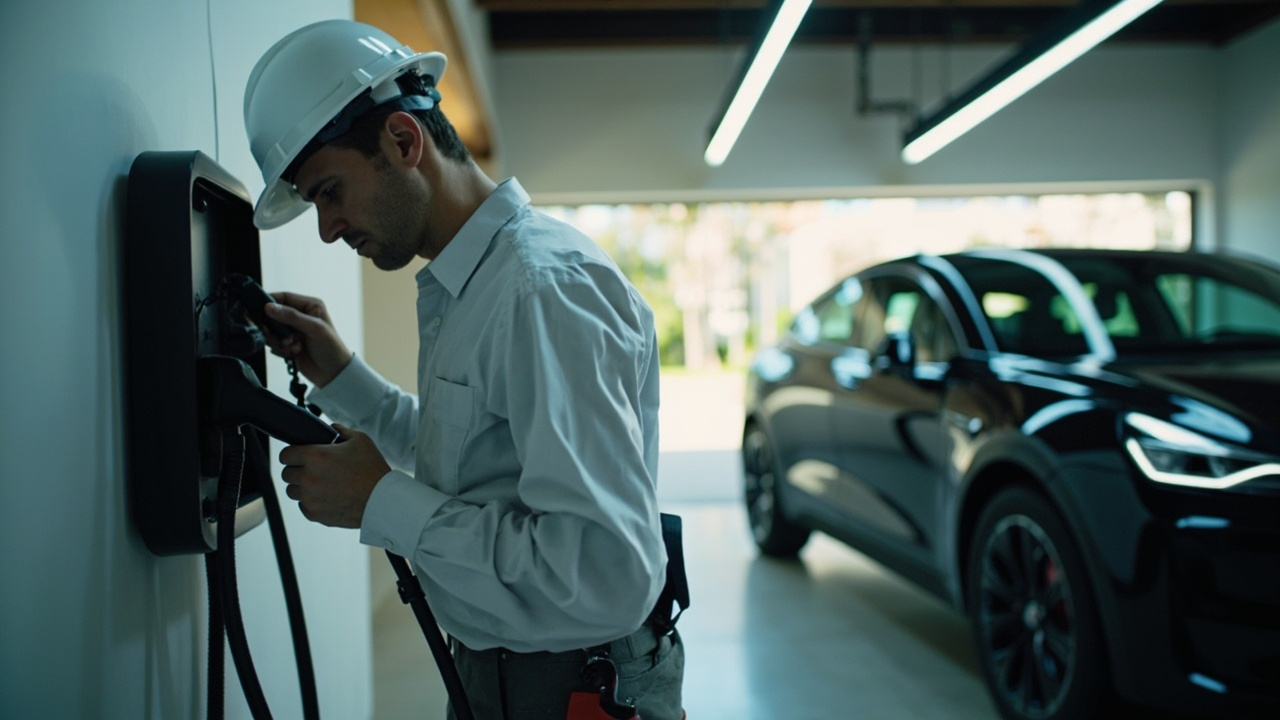
We mount the charger to the wall using lag bolts into studs or a backing board. We connect the charger to the dedicated circuit, verify proper operation, and test all safety features including GFCI protection. We schedule the final inspection with the city, address any inspector comments, and provide you with documentation for your records. You receive a signed-off permit and full instructions for charger operation and maintenance.

Why Los Angeles Property Owners Choose Elite Electricians for Electric Car Charging Station Setup

We install EV chargers across Los Angeles County, from downtown lofts to Westside single-family homes to San Fernando Valley apartment complexes. We know the permitting requirements for each municipality within the county, from LA City to Burbank to Pasadena. Each jurisdiction has specific amendments to the California Electrical Code, and we ensure your installation meets local standards.

Los Angeles has aggressive electric vehicle adoption targets. The city requires 20 percent of parking spaces in new multi-family buildings to have EV charging infrastructure, and existing buildings face increasing pressure to add charging capacity. We work with property managers and HOA boards to design charging solutions that serve multiple units without overloading the building's electrical service. This often requires load management systems that distribute available power among multiple charging stations.

Our electricians hold C-10 electrical contractor licenses and complete continuing education on EV charging technology. We install all major charger brands including ChargePoint, JuiceBox, Grizzl-E, and Tesla Wall Connectors. We also handle the paperwork for utility rebates through programs like the Los Angeles Department of Water and Power's Charge Up LA program, which offers incentives for residential and commercial charger installations.

We understand that vehicle charging habits vary. Some customers need rapid charging for daily commutes of 100 miles or more. Others want trickle charging overnight. We size your electrical service and charger capacity to match your actual driving patterns, which prevents over-investment in electrical infrastructure you do not need. We also account for future needs if you plan to add a second electric vehicle or upgrade to a model with a larger battery capacity.

What You Get with Professional Electric Vehicle Charger Installation

Installation Timeline and Availability

Standard installations take one to two days from permit approval to final inspection. If your home needs a panel upgrade, the timeline extends to three to five days. We schedule installations around your availability and coordinate with the city inspector to minimize delays. For commercial installations with multiple charging stations, the timeline depends on the number of units and whether trenching is required for underground conduit runs. We provide a detailed project schedule after the initial site evaluation so you know exactly when your charger will be operational.

Initial Consultation and Load Assessment

We start with a phone consultation to understand your vehicle model, charging needs, and garage setup. We schedule an on-site visit to inspect your electrical panel, measure the distance from the panel to the proposed charger location, and assess the condition of your existing electrical service. We provide a written estimate that includes all labor, materials, permit fees, and potential utility coordination costs. If a panel upgrade is necessary, we explain the scope of work and provide options for 150-amp or 200-amp service upgrades.

Code-Compliant Installation Quality

Your installation meets California Electrical Code Title 24 requirements and passes inspection on the first attempt. We use listed equipment and materials rated for the application. All connections are made with crimped terminals or listed wire connectors. We label the circuit at the panel and at the charger location. We provide you with manufacturer documentation, warranty information, and operation instructions. You receive a copy of the signed-off permit from the city, which protects your home's resale value and ensures insurance coverage in the event of an electrical issue.

Post-Installation Support and Service

We stand behind the installation workmanship and provide support if you experience issues with charger operation. If your charger stops working, we diagnose whether the problem is with the electrical circuit or the charger unit itself. We also provide guidance on utility rate optimization, including enrollment in time-of-use plans that reduce your charging costs by shifting consumption to off-peak hours. For commercial customers, we offer service agreements that include annual inspections, firmware updates, and priority response for charging station malfunctions.

Frequently Asked Questions

You Have Questions,
We Have Answers

How much does EV charger installation cost? +

EV charger installation costs in Los Angeles range widely based on your home's existing electrical setup. A Level 2 charger typically runs between materials and labor, but the real cost driver is your electrical panel capacity. If you need a panel upgrade, which many older Los Angeles homes do, that adds significantly more. Distance from your panel to the charging location, conduit requirements due to local building codes, and permit fees also affect the total. Los Angeles County requires specific permits, and some neighborhoods have additional regulations. Get a site assessment to understand your specific situation before budgeting.

How much does it cost to install an electric car charger in your house? +

Installing an electric car charger at your house in Los Angeles depends on your electrical infrastructure. If your panel has capacity and the installation is straightforward, expect lower costs. However, many Los Angeles homes, especially in older neighborhoods like Silver Lake or Mid-City, require panel upgrades to handle the additional 40-60 amp circuit needed for Level 2 charging. Trenching for underground conduit, which Los Angeles building codes often require for exterior runs, adds to the cost. Permitting through the Los Angeles Department of Building and Safety is mandatory. Your final cost depends on these site-specific factors.

Can I install my own EV charger? +

You should not install your own EV charger in Los Angeles. While you might legally own the equipment, Los Angeles building codes require a licensed electrician to perform the installation and pull permits. EV chargers operate at 240 volts and draw significant amperage, creating serious shock and fire risks if installed incorrectly. Your installation must pass inspection by the Los Angeles Department of Building and Safety. Insurance claims for electrical fires caused by DIY work are often denied. Additionally, improper installation voids your charger warranty. Hire a licensed electrician who understands local codes and can handle permitting correctly.

Can a normal electrician install an EV charger? +

A normal electrician can install an EV charger if they hold a valid California C-10 electrical license and understand Los Angeles building codes. However, not all electricians have experience with EV charging systems. Look for an electrician familiar with load calculations, panel capacity assessments, and the specific permitting requirements in Los Angeles County. They should know how to properly size circuits, install appropriate breakers, and ensure your installation meets National Electrical Code standards. Experience matters because EV charger installations often reveal underlying electrical issues in older Los Angeles homes that require additional problem-solving beyond basic wiring.

Can I get a free EV home charger? +

You might qualify for a rebated or discounted EV home charger through programs offered by Los Angeles Department of Water and Power or Southern California Edison, depending on your service area. Some programs provide rebates that significantly reduce charger costs for qualifying customers. Certain car manufacturers also include home charging equipment with vehicle purchases. However, these programs typically cover only the charger hardware, not installation costs. Eligibility often depends on your income level, utility provider, and specific program availability. Check with your utility company and review current California Clean Vehicle Rebate Project offerings to see what programs you qualify for.

How much does it cost to install a 240V outlet for EV charger? +

Installing a 240V outlet for EV charging in Los Angeles typically costs less than a hardwired charger installation, but still requires proper electrical work. You need a dedicated circuit with appropriate amperage, usually 40-50 amps for most EVs. The cost depends on your panel location, available capacity, conduit requirements, and permit fees. Los Angeles building codes mandate specific installation standards and inspection. If your panel lacks capacity, you face additional upgrade costs. Many older Los Angeles homes in areas like Boyle Heights or Highland Park need panel work before adding high-draw circuits. A licensed electrician should assess your specific situation.

What is the 80 20 rule EV charging? +

The 80 20 rule for EV charging means you should typically charge your battery between 20 percent and 80 percent for daily use. Charging to 100 percent regularly degrades lithium-ion batteries faster due to increased stress on cells. Likewise, frequently draining below 20 percent reduces battery lifespan. For Los Angeles drivers with typical commutes, charging to 80 percent overnight provides plenty of range while preserving battery health. Save full charges for longer trips when you need maximum range. Most EVs let you set charging limits through their apps, making this easy to follow automatically.

Can I use my dryer outlet to charge my EV? +

You can temporarily charge your EV using a dryer outlet, but it is not ideal for permanent use. Most dryer outlets are 30 amp circuits, which provide slower charging than dedicated 40-50 amp EV circuits. You need an adapter compatible with your outlet type and EV. More importantly, you cannot run your dryer and charge simultaneously without tripping breakers. For Los Angeles homeowners, a dedicated EV circuit is the better solution. It provides faster charging, avoids conflicts with other appliances, and meets local building codes properly. Consider this option only as a temporary measure.

Is it worth installing an EV charger at home? +

Installing an EV charger at home is worth it for most Los Angeles drivers. You gain the convenience of overnight charging, which costs significantly less than public charging stations. With Los Angeles traffic and commute distances, starting each day with a full charge eliminates range anxiety. Time-of-use electricity rates from LADWP or Southern California Edison make overnight charging cheaper. A home charger also increases your property value as EV adoption grows. The upfront installation cost pays back through lower fuel costs and convenience. If you own your home and plan to keep your EV, installation makes financial sense.

Can I run a cable across the pavement to charge my car? +

You cannot run a cable across the pavement to charge your car in Los Angeles. This creates tripping hazards and violates local codes. The cable also suffers damage from foot traffic, vehicles, and weather exposure. Los Angeles regulations prohibit blocking sidewalks or creating safety hazards on public property. If your parking spot is far from your electrical panel, you need proper conduit installation, either underground or along walls and fences. A licensed electrician can design a code-compliant solution using buried conduit or overhead routing. Never use extension cords or temporary cables across walkways for EV charging.

How Los Angeles Building Codes and Utility Infrastructure Shape EV Charger Installations

Los Angeles has the oldest housing stock in Southern California, with thousands of homes built before 1950. These homes often have outdated electrical panels, aluminum wiring, and inadequate grounding systems. Installing a Level 2 EV charger in these homes requires panel upgrades, service entrance conductor replacement, and sometimes coordination with the Los Angeles Department of Water and Power to increase the size of the utility service drop. The city also requires seismic bracing for electrical panels in new installations, which adds complexity to panel upgrade projects. Multi-family properties face additional challenges because many older buildings share a single electrical meter among multiple units, requiring submetering or load management systems to allocate charging costs fairly.

Elite Electricians Los Angeles works daily with the city's permit and inspection system. We know which inspectors cover which districts and what details they scrutinize during final inspections. We also work with LADWP and Southern California Edison to coordinate service upgrades and take advantage of utility rebate programs. Our familiarity with local permitting reduces project delays and ensures your installation passes inspection without costly rework. We also stay current on evolving code requirements, including California's Title 24 updates that mandate specific energy efficiency measures and safety features for electric vehicle charging infrastructure.
Electrical Services in The Los Angeles Area

Looking for expert electrical services near you? Elite Electricians Los Angeles proudly delivers trusted electrical solutions to homeowners and businesses throughout the greater Los Angeles area. From electrical repairs and circuit panel upgrades to lighting installations and emergency power restoration, our licensed electricians are equipped to handle it all. Whether you're in Burbank, Santa Monica, Pasadena, or surrounding neighborhoods, we’re ready to respond with speed and precision.

Address:
Elite Electricians Los Angeles, 1901 Ave of the Stars 2nd Floor, Los Angeles, CA, 90067

Additional Services We Offer

Our news updates

Latest Articles & News from The Blogs

Specialized electrical requirements for opening a high-end hair salon or boutique spa in West Hollywood Opening a high-end hair salon…

Specialized electrical requirements for opening a high-end hair salon or boutique spa in West Hollywood

Specialized electrical requirements for opening a high-end hair salon or boutique spa in West Hollywood Opening a high-end hair salon…

Upgrading your commercial kitchen's electrical capacity for new walk-in freezers in Historic South Central

Commercial kitchens in Historic South Central face unique electrical challenges when installing new walk-in freezers. The neighborhood’s mix of older…

Finding the best location for a new electrical subpanel during a home addition in Arleta

Finding the best location for a new electrical subpanel during a home addition in Arleta When planning a home addition…

Contact Us

Stop waiting overnight for a full charge. Call Elite Electricians Los Angeles at (213)277-8815 to schedule your site evaluation. We handle the permits, install the charger, and get you approved in days, not weeks.