
Essential electrical prep for installing a smart irrigation system in your Bel Air garden
Smart irrigation systems are transforming how Los Angeles homeowners manage their gardens. These systems save water and time but require proper electrical preparation to function safely and reliably. In Bel Air’s upscale neighborhoods, where property values and water conservation both matter, getting the electrical setup right from the start prevents costly problems later. EPA WaterSense standards.
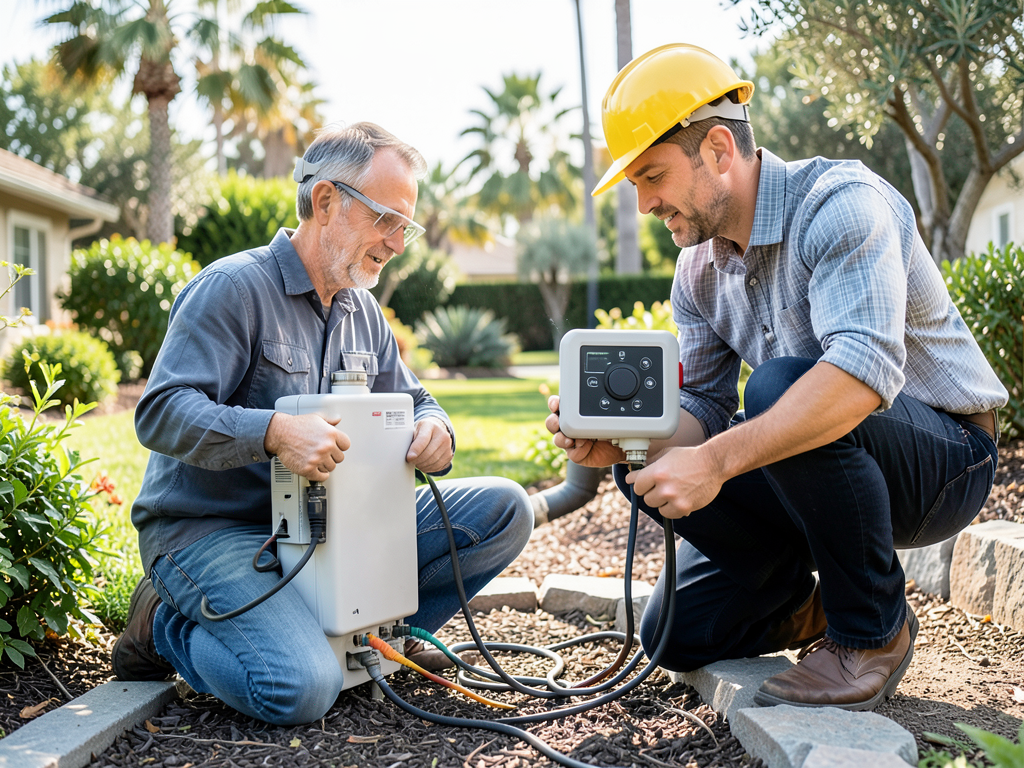
Before you buy that shiny new controller, you need to understand what’s happening behind the scenes. Smart controllers need reliable power, proper wiring to control valves, and weatherproof enclosures that can handle Southern California’s unique climate challenges. This guide walks you through exactly what you need to know before installation day. Safely Wiring Your New Pool or Hot Tub in Encino.
Understanding the electrical requirements for smart controllers
Smart irrigation controllers operate differently than standard sprinkler timers. Most residential systems use 24VAC low-voltage power to control solenoid valves, while the controller itself plugs into a standard 120V outlet. This two-voltage system requires careful planning.
The controller needs a GFCI-protected outlet within reach of the mounting location. GFCI protection is mandatory for all outdoor receptacles in California per the National Electrical Code. Without it, you risk electrical shock and code violations. Electrical Inglewood.
The 24VAC transformer powers the valve solenoids. This transformer can be internal to the controller or external. External transformers need proper mounting and weather protection. The wiring from the transformer to each valve uses multi-strand irrigation wire, typically 18-gauge for runs under 200 feet.
In Bel Air’s hillside properties, you might need longer wire runs than standard installations. Voltage drop becomes a concern with distance. For runs over 200 feet, you may need 16-gauge or even 14-gauge wire to maintain proper voltage at the valves.
Step-by-step electrical setup for smart irrigation
- Plan controller location
Choose a spot near your existing valve manifold that has access to a GFCI outlet. The location should have good Wi-Fi signal since smart controllers need internet connectivity. In Bel Air’s larger properties, Wi-Fi extenders might be necessary.
- Install GFCI outlet if needed
If no GFCI outlet exists nearby, you’ll need to install one. This requires running a new circuit from your electrical panel. For outdoor installations, use weatherproof boxes and covers. The outlet should be at least 12 inches above grade to prevent water exposure.
- Mount the controller
Install the controller on a weatherproof surface or inside a NEMA 3R enclosure if it’s exposed to direct rain. Bel Air’s occasional heavy rains mean proper weatherproofing is essential. Use stainless steel screws to prevent rust.
- Connect the transformer
If using an external transformer, mount it inside the controller enclosure or a separate weatherproof box. Connect the 120V primary wires to the GFCI outlet. The 24VAC secondary wires go to the controller’s terminal strip.
- Wire the valve manifold
Connect multi-strand wire from the controller to each solenoid valve. The common wire connects to all valves. Each valve also gets an individual wire. Use waterproof wire nuts or direct burial connectors at each splice.
- Test the system
Before burying any wires, test each zone. The controller should activate each valve independently. Check for proper voltage at each solenoid. Fix any issues while everything is accessible.
Why Los Angeles homeowners are switching to smart controllers
Los Angeles faces unique water challenges. The Metropolitan Water District offers rebates for smart irrigation controllers that meet EPA WaterSense standards. These rebates can cover up to $100 of the controller cost. Metropolitan Water District rebates.
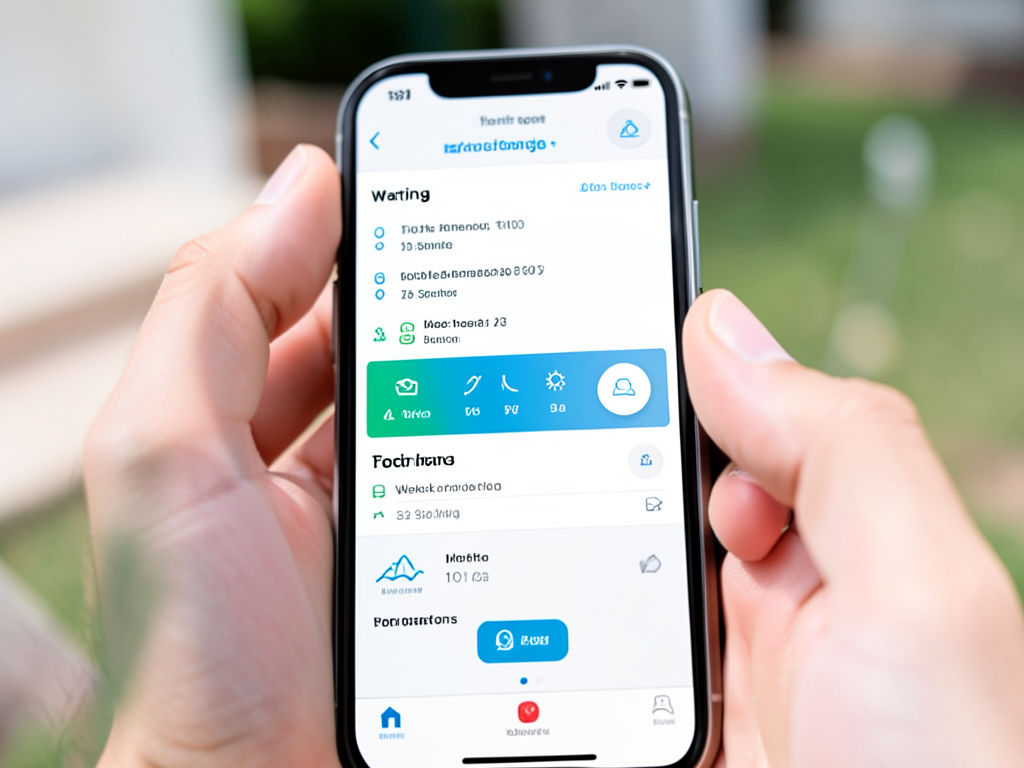
Smart controllers adjust watering based on local weather data. They connect to weather stations and automatically skip watering when rain is predicted. This prevents the common problem of sprinklers running during rainstorms.
California’s Title 24 energy code now encourages water conservation as part of overall building efficiency. Smart irrigation fits perfectly into this framework. Many new construction projects in Bel Air require smart controllers as part of their building permits.
The technology also helps with compliance. During drought restrictions, smart controllers can be programmed to meet specific watering limitations. They provide logs showing when and how much water was used, which can be important for demonstrating compliance with local regulations.
Common wiring challenges in LA landscapes
Bel Air’s mature landscapes present unique challenges. Large trees have extensive root systems that can damage buried wiring. When planning your installation, locate major roots and route wires around them rather than through them.
Many Bel Air properties have retaining walls and terraced gardens. Waterproofing becomes critical in these situations. Use conduit for any wires passing through walls or underground. Schedule 40 PVC conduit provides good protection and meets code requirements.
Soil conditions in the Bel Air area vary. Some areas have clay soil that retains moisture, while others have sandy soil that drains quickly. Wire burial depth should be at least 6 inches in most areas, but consult local codes for specific requirements.
Older properties might have existing wiring from previous sprinkler systems. Before installing new wiring, test existing wires to see if they’re still functional. Sometimes you can reuse existing conduit, saving time and labor costs. Installing a backup generator for your Hollywood Hills home before the next outage.
Safety first: why hire a licensed C-10 electrician?
Mixing water and electricity creates serious hazards. A licensed C-10 electrician understands the specific requirements for outdoor low-voltage systems. They know how to properly ground equipment and protect against electrical faults.
California’s building codes are strict about outdoor electrical work. A licensed electrician ensures your installation meets all local requirements. This prevents problems when you sell your home or need to file insurance claims.
Professional installation also includes proper permitting. The City of Los Angeles requires permits for most electrical work, including outdoor irrigation controllers. An electrician handles the permitting process and schedules inspections.
DIY installations often miss critical safety steps. Common mistakes include using indoor-rated wire outdoors, failing to provide proper GFCI protection, and inadequate weatherproofing. These mistakes can lead to system failures, property damage, or personal injury.
Technical specifications for smart irrigation electrical systems
| Component | Specification | Notes |
|---|---|---|
| Controller power | 120V AC, 60Hz | GFCI protected required |
| Valve power | 24VAC, 650-750mA | Per zone typical draw |
| Wiring gauge | 18 AWG standard | 16 AWG for longer runs |
| Max wire length | 200 feet (18 AWG) | Voltage drop considerations |
| Enclosure rating | NEMA 3R minimum | Weatherproof for outdoor |
| Wire burial depth | 6 inches minimum | Check local codes |
Weatherproofing and climate considerations for Bel Air
Bel Air’s Mediterranean climate means hot, dry summers and mild, wet winters. Your smart irrigation electrical system needs to handle both extremes. Summer heat can reach 90-100°F, while winter storms can bring several inches of rain in a single day.
UV exposure degrades many plastics over time. Use UV-resistant conduit and enclosures for any outdoor components. The intense California sun can make inferior materials brittle and crack within a year or two.
Temperature fluctuations cause materials to expand and contract. Use expansion fittings in conduit runs to prevent damage from this movement. Connections should allow for some movement without breaking the seal.
Bel Air’s occasional Santa Ana wind events can drive debris into outdoor equipment. Position controllers and transformers where they won’t be directly hit by wind-driven rain or debris. Consider additional protective covers for exposed locations.
Integration with existing home automation systems
Many Bel Air homeowners have existing smart home systems. Smart irrigation controllers can integrate with platforms like Amazon Alexa, Google Home, and Apple HomeKit. This integration allows voice control and automation with other home systems.
Some controllers offer API access for custom integrations. This allows advanced users to create complex watering schedules based on weather forecasts, soil moisture sensors, or even security system status.
Power consumption is minimal for most smart controllers. A typical residential controller uses less than 5 watts when idle. However, during valve operation, power draw increases briefly. Ensure your circuit can handle the load if you’re adding multiple controllers or other outdoor devices.
Wi-Fi connectivity is crucial for smart features. In Bel Air’s larger properties, you might need a Wi-Fi extender or mesh network system to ensure reliable connection. Test signal strength at the proposed controller location before finalizing the installation plan.
Maintenance and troubleshooting tips
Even professionally installed systems need occasional maintenance. Check wire connections annually for signs of corrosion or damage. Clean controller screens and enclosures to prevent debris buildup that can trap moisture.
Valve solenoids can fail over time, especially if they operate frequently. Most solenoids last 5-10 years under normal use. If a zone stops working, the solenoid is often the culprit. Testing involves checking for 24VAC at the valve when the controller activates that zone.
Surge protection helps protect your investment. Lightning strikes, even distant ones, can cause voltage spikes that damage controllers and transformers. Install surge protectors on both the 120V and 24VAC sides of your system for maximum protection.
Keep the area around your controller clear. Don’t pile mulch or soil against the enclosure. This prevents moisture from wicking into the unit and ensures proper ventilation to prevent overheating.
Cost factors and budgeting for your installation
Professional installation costs vary based on several factors. Simple replacements of existing controllers might cost $300-500 including labor. New installations with wiring and outlet installation typically run $800-1500.
Factors that increase cost include long wire runs, difficult access to valve manifolds, need for new circuits, and custom enclosure requirements. Properties with extensive landscaping or multiple valve manifolds will cost more to equip with smart controls.
Rebates can offset some costs. Check with the Metropolitan Water District and your local water provider for current rebate programs. These programs change annually, so verify availability before purchasing equipment.
Consider the long-term savings. Smart controllers typically reduce water usage by 20-30%. For a typical Bel Air property, this can mean hundreds of dollars in water savings annually, potentially paying for the system within a few years.
Frequently Asked Questions
Can I install a smart irrigation controller myself?
Basic plug-and-play controllers are designed for DIY installation. However, if you need new wiring, GFCI outlets, or are uncomfortable working with electrical systems, hiring a licensed electrician is safer and ensures code compliance. DIY mistakes can void warranties and create safety hazards.
How long does professional installation take?
Most smart irrigation electrical installations take 2-4 hours for a typical residential system. Complex installations with new wiring, multiple valve manifolds, or custom enclosures may take a full day. Your electrician can provide a more accurate timeline after assessing your specific situation.
What if my Wi-Fi signal is weak in the garden area?
Weak Wi-Fi is common in larger Bel Air properties. Options include Wi-Fi extenders, mesh network systems, or controllers with cellular connectivity. Some controllers store watering schedules locally and only need Wi-Fi occasionally to update weather data and receive commands.
Ready to upgrade your Bel Air garden with a smart irrigation system? Don’t let electrical complications hold you back. The licensed electricians at Elite Electricians Los Angeles have extensive experience with smart irrigation installations throughout Bel Air and surrounding communities. We handle everything from basic controller replacements to complete new installations with proper permitting and code compliance. Is Your Sherman Oaks Home Ready for a 200 Amp Panel Upgrade?.
Call us today at (213) 277-8815 to schedule your smart irrigation electrical assessment. Our team will evaluate your current system, recommend the best solution for your garden, and provide a clear, upfront quote with no hidden fees. We serve Bel Air, Beverly Hills, Brentwood, and all surrounding Los Angeles neighborhoods with prompt, professional service. Upgrading your Beverly Hills estate to a 400 amp electrical service.
Don’t wait until the next heat wave to get your irrigation system working efficiently. Contact Elite Electricians Los Angeles now and take the first step toward a smarter, more water-efficient garden.
{
“@context”: “https://schema.org”,
“@type”: “BlogPosting”,
“headline”: “Essential electrical prep for installing a smart irrigation system in your Bel Air garden”,
“description”: “Expert electrical preparation for smart irrigation in Bel Air. Learn about 24VAC transformers, GFCI outlets, and California code compliance for outdoor watering systems.”,
“wordCount”: 1963,
“datePublished”: “2026-06-30T09:38:00.000Z”,
“dateModified”: “2026-06-30T09:38:00.000Z”,
“inLanguage”: “en-US”,
“mainEntityOfPage”: {
“@type”: “WebPage”,
“@id”: “https://eliteelectricianslosangeles.com”
},
“publisher”: {
“@type”: “LocalBusiness”,
“name”: “Elite Electricians Los Angeles”,
“url”: “https://eliteelectricianslosangeles.com”
},
“author”: {
“@type”: “Organization”,
“name”: “Elite Electricians Los Angeles”,
“url”: “https://eliteelectricianslosangeles.com”
},
“image”: {
“@type”: “ImageObject”,
“url”: “https://eliteelectricianslosangeles.com/wp-content/uploads/2026/03/essential-electrical-prep-for-installing-a-smart-i-1.png”
}
}
{
“@context”: “https://schema.org”,
“@type”: “Electrician”,
“name”: “Elite Electricians Los Angeles”,
“url”: “https://eliteelectricianslosangeles.com”,
“address”: {
“@type”: “PostalAddress”,
“addressLocality”: “Los Angeles”
},
“areaServed”: {
“@type”: “City”,
“name”: “Los Angeles”
}
}
{
“@context”: “https://schema.org”,
“@type”: “FAQPage”,
“mainEntity”: [
{
“@type”: “Question”,
“name”: “Safety first: why hire a licensed C-10 electrician?”,
“acceptedAnswer”: {
“@type”: “Answer”,
“text”: “Mixing water and electricity creates serious hazards. A licensed C-10 electrician understands the specific requirements for outdoor low-voltage systems. They know how to properly ground equipment and protect against electrical faults.”
}
},
{
“@type”: “Question”,
“name”: “Can I install a smart irrigation controller myself?”,
“acceptedAnswer”: {
“@type”: “Answer”,
“text”: “Basic plug-and-play controllers are designed for DIY installation. However, if you need new wiring, GFCI outlets, or are uncomfortable working with electrical systems, hiring a licensed electrician is safer and ensures code compliance. DIY mistakes can void warranties and create safety hazards.”
}
},
{
“@type”: “Question”,
“name”: “How long does professional installation take?”,
“acceptedAnswer”: {
“@type”: “Answer”,
“text”: “Most smart irrigation electrical installations take 2-4 hours for a typical residential system. Complex installations with new wiring, multiple valve manifolds, or custom enclosures may take a full day. Your electrician can provide a more accurate timeline after assessing your specific situation.”
}
},
{
“@type”: “Question”,
“name”: “What if my Wi-Fi signal is weak in the garden area?”,
“acceptedAnswer”: {
“@type”: “Answer”,
“text”: “Weak Wi-Fi is common in larger Bel Air properties. Options include Wi-Fi extenders, mesh network systems, or controllers with cellular connectivity. Some controllers store watering schedules locally and only need Wi-Fi occasionally to update weather data and receive commands.”
}
}
]
}
{
“@context”: “https://schema.org”,
“@type”: “HowTo”,
“name”: “How to prepare electrical for smart irrigation”,
“step”: [
{
“@type”: “HowToStep”,
“position”: 1,
“name”: “Plan controller location”,
“text”: “Choose a spot near your existing valve manifold that has access to a GFCI outlet. The location should have good Wi-Fi signal since smart controllers need internet connectivity. In Bel Air’s larger properties, Wi-Fi extenders might be necessary.”
},
{
“@type”: “HowToStep”,
“position”: 2,
“name”: “Install GFCI outlet if needed”,
“text”: “If no GFCI outlet exists nearby, you’ll need to install one. This requires running a new circuit from your electrical panel. For outdoor installations, use weatherproof boxes and covers. The outlet should be at least 12 inches above grade to prevent water exposure.”
},
{
“@type”: “HowToStep”,
“position”: 3,
“name”: “Mount the controller”,
“text”: “Install the controller on a weatherproof surface or inside a NEMA 3R enclosure if it’s exposed to direct rain. Bel Air’s occasional heavy rains mean proper weatherproofing is essential. Use stainless steel screws to prevent rust.”
},
{
“@type”: “HowToStep”,
“position”: 4,
“name”: “Connect the transformer”,
“text”: “If using an external transformer, mount it inside the controller enclosure or a separate weatherproof box. Connect the 120V primary wires to the GFCI outlet. The 24VAC secondary wires go to the controller’s terminal strip.”
},
{
“@type”: “HowToStep”,
“position”: 5,
“name”: “Wire the valve manifold”,
“text”: “Connect multi-strand wire from the controller to each solenoid valve. The common wire connects to all valves. Each valve also gets an individual wire. Use waterproof wire nuts or direct burial connectors at each splice.”
},
{
“@type”: “HowToStep”,
“position”: 6,
“name”: “Test the system”,
“text”: “Before burying any wires, test each zone. The controller should activate each valve independently. Check for proper voltage at each solenoid. Fix any issues while everything is accessible.”
}
],
“image”: “https://eliteelectricianslosangeles.com/wp-content/uploads/2026/03/essential-electrical-prep-for-installing-a-smart-i-1.png”
}
{
“@context”: “https://schema.org”,
“@type”: “BreadcrumbList”,
“itemListElement”: [
{
“@type”: “ListItem”,
“position”: 1,
“name”: “Home”,
“item”: “https://eliteelectricianslosangeles.com”
},
{
“@type”: “ListItem”,
“position”: 2,
“name”: “Blog”,
“item”: “https://eliteelectricianslosangeles.com/blog”
},
{
“@type”: “ListItem”,
“position”: 3,
“name”: “Essential electrical prep for installing a smart irrigation system in your Bel Air garden”
}
]
}
{
“@context”: “https://schema.org”,
“@type”: “Service”,
“serviceType”: “Electricians”,
“provider”: {
“@type”: “LocalBusiness”,
“name”: “Elite Electricians Los Angeles”,
“url”: “https://eliteelectricianslosangeles.com”
},
“areaServed”: {
“@type”: “City”,
“name”: “Los Angeles”
},
“description”: “Expert electrical preparation for smart irrigation in Bel Air. Learn about 24VAC transformers, GFCI outlets, and California code compliance for outdoor watering systems.”
}