
How to plan the electrical layout for a high-end restaurant in Sawtelle
Planning the electrical system for a high-end restaurant in Sawtelle requires understanding both the technical demands of commercial kitchens and the specific building codes of Los Angeles. Restaurant owners face unique challenges including high power loads from commercial cooking equipment, specialized lighting for ambiance, and the critical need for reliable power during peak service hours. This guide walks you through the essential considerations for a successful electrical build-out in this vibrant West LA neighborhood. Los Angeles Department of Building and Safety.
Understanding restaurant electrical power requirements
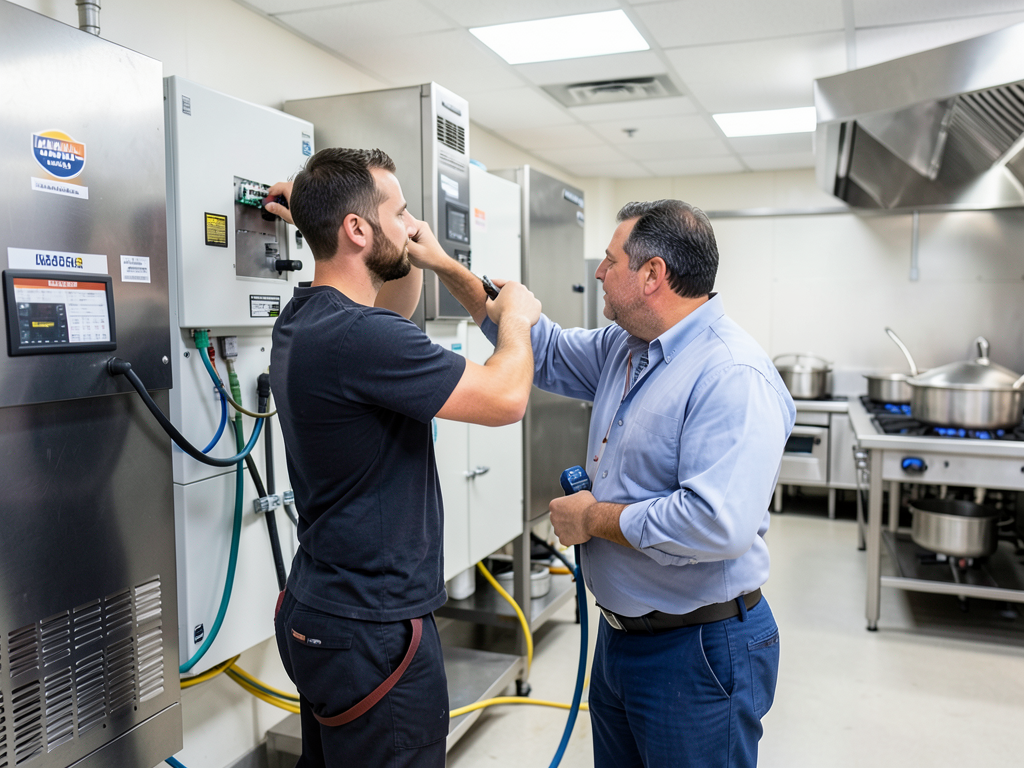
Commercial kitchens demand significantly more power than residential spaces. A high-end restaurant in Sawtelle typically requires 200-400 amps of three-phase power to handle multiple commercial ovens, refrigeration units, and specialized cooking equipment. The National Electrical Code mandates dedicated circuits for each major appliance to prevent overloads and ensure safety. National Electrical Code requirements.
Walk-in coolers and freezers alone can draw 15-30 amps continuously. Commercial ranges with multiple burners plus ovens often need 50-60 amp dedicated circuits. Point of sale systems, lighting, and HVAC further increase the electrical load. Many Sawtelle restaurant spaces in older buildings require panel upgrades before any new equipment installation can begin. Electrical Inglewood.
Navigating Los Angeles building codes and Title 24
Los Angeles restaurants must comply with both the California Electrical Code and Title 24 energy efficiency standards. The Los Angeles Department of Building and Safety requires permits for all new electrical installations and modifications. Title 24 compliance affects lighting choices requiring high-efficiency LEDs and occupancy sensors in certain areas. Title 24 energy efficiency standards.
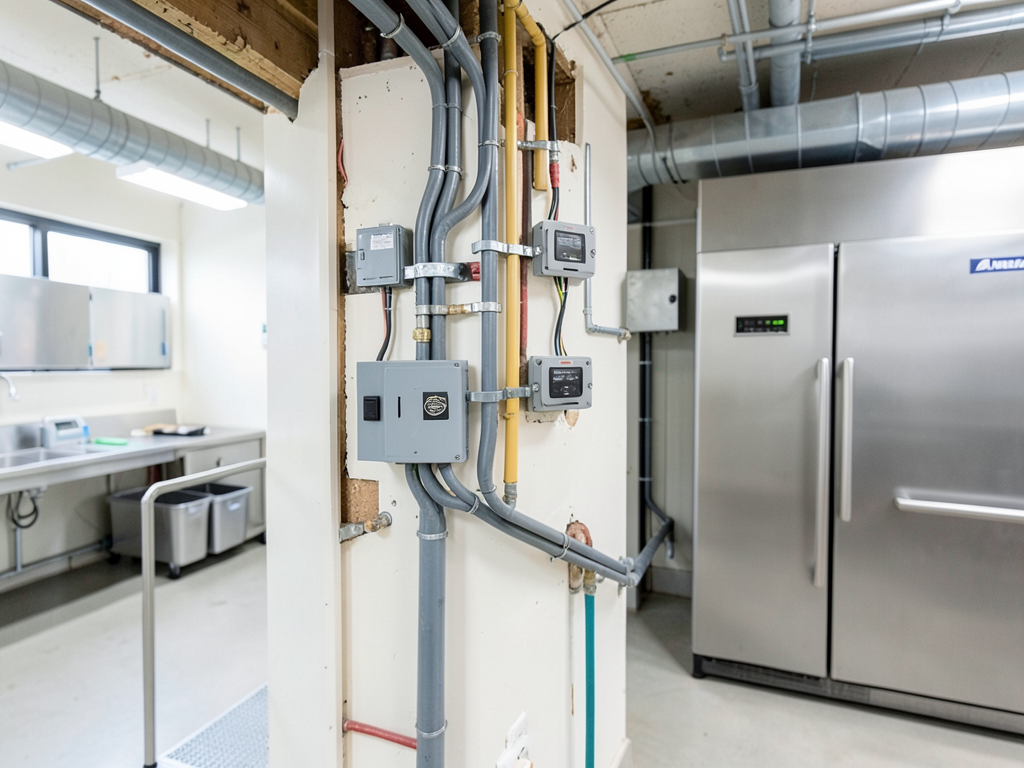
Commercial kitchen hood systems need dedicated power circuits with specific wiring requirements for fire suppression systems. Grease trap wiring must meet strict code requirements to prevent fire hazards. Exhaust fans typically require 20-30 amp circuits on separate breakers from cooking equipment to ensure proper ventilation even if other systems fail. Safely Wiring Your New Pool or Hot Tub in Encino.
Designing for restaurant ambiance and function
Lighting design separates ordinary restaurants from high-end dining experiences. Sawtelle’s restaurant scene demands both functional task lighting for kitchen staff and atmospheric lighting for dining areas. LED track lighting provides flexibility for highlighting artwork or architectural features. Dimming systems allow adjusting brightness throughout the day from bright lunch service to intimate dinner ambiance.. Read more about Navigating the New Title 24 Lighting Requirements for Your Los Angeles Remodel.
Outdoor patio lighting extends dining space and creates curb appeal. Weatherproof LED fixtures withstand Southern California’s occasional rain while providing safe navigation for guests. String lights over patios create a welcoming atmosphere but require proper weatherproof outlets and circuit protection.
Emergency power and backup systems
Power outages during dinner service can devastate a restaurant’s reputation and finances. Emergency generators sized for critical systems keep refrigeration running, maintain lighting in key areas, and power POS systems. Natural gas generators provide reliable backup without requiring fuel storage. Transfer switches automatically activate backup power within seconds of an outage. Installing a backup generator for your Hollywood Hills home before the next outage.
Battery backup systems for point of sale terminals prevent transaction losses during brief outages. Emergency lighting ensures safe evacuation if needed. Surge protection guards expensive kitchen equipment from power fluctuations common in older Sawtelle buildings. Finding an Emergency Electrician in Silver Lake Who Actually Answers the Phone.
Commercial kitchen equipment wiring specifics
Each major kitchen appliance requires specific wiring considerations. Commercial refrigerators and freezers need dedicated 120V circuits with proper grounding. Ice makers require both water and electrical connections with floor drains nearby. Commercial dishwashers often need 208V three-phase power for heating elements.. Read more about Upgrading your commercial kitchen’s electrical capacity for new walk-in freezers in Historic South Central.
Espresso machines and coffee makers in high-end restaurants may need 240V circuits to handle heating elements. Warming stations and heat lamps require proper spacing from flammable materials. All kitchen outlets must be GFCI protected due to water proximity.
Telecommunications and data infrastructure
Modern restaurants rely on robust data infrastructure beyond basic electrical needs. POS systems require network cabling alongside power runs. Wireless access points need strategic placement for both staff operations and customer use. Security cameras and alarm systems integrate with the electrical system through dedicated low-voltage wiring.
Kitchen display systems connect order management software to cooking stations. These systems need reliable power and network connections to prevent service disruptions. Audio systems for background music require proper speaker wiring and amplification.
Energy efficiency and cost management
California’s high electricity rates make energy efficiency crucial for restaurant profitability. LED lighting reduces power consumption by 75% compared to traditional bulbs. High-efficiency kitchen equipment lowers operating costs despite higher upfront prices. Smart thermostats optimize HVAC operation based on occupancy patterns.
Demand-controlled ventilation systems adjust exhaust fan speeds based on cooking activity rather than running at full capacity constantly. This reduces both energy costs and noise levels in dining areas. Solar panel installations can offset some electrical costs though initial investment remains substantial.
Common electrical challenges in Sawtelle restaurants
Sawtelle’s mix of older buildings and new construction presents different electrical challenges. Historic buildings may have outdated wiring unable to handle modern kitchen equipment loads. Knob and tube wiring or aluminum branch circuits require complete replacement before commercial use.
New construction in mixed-use developments must coordinate with building management for utility connections. Limited electrical service availability can restrict equipment choices. Underground wiring in some areas requires coordination with the city for trenching and permits.
Timeline and coordination considerations
Restaurant electrical work must coordinate with other trades to avoid costly delays. Rough-in electrical work happens after framing but before drywall installation. Final connections occur after equipment delivery but before health inspections. Most restaurant build-outs require 4-6 weeks for complete electrical installation.
Utility companies need 2-4 weeks to upgrade service connections. LADBS permit processing typically takes 2-3 weeks for standard projects longer for complex installations. Contractors should build these timelines into opening schedules to prevent last-minute rushes.
Cost factors for restaurant electrical installation
Restaurant electrical costs vary significantly based on building conditions and equipment requirements. Basic installations in new construction range from $15000 to $30000. Complex retrofits in older buildings can exceed $50000 when factoring in panel upgrades and code compliance work.
High-end equipment installations add $5000 to $15000 for specialized wiring and controls. Emergency generator systems range from $8000 to $25000 depending on capacity. Lighting design and installation typically costs $3000 to $10000 for dining areas alone.
Maintenance and ongoing electrical needs
Restaurant electrical systems require regular maintenance to prevent failures during service. Quarterly inspections identify loose connections, corrosion, or wear before they cause outages. Emergency lighting batteries need annual replacement. GFCI outlets require testing every month to ensure proper operation.
Panel labeling helps staff quickly identify and reset tripped breakers. Surge protectors need replacement every 3-5 years as MOVs degrade. Kitchen equipment cords should be inspected regularly for damage from heat, grease, or physical wear.
Choosing the right electrical contractor
Restaurant electrical work demands contractors with specific commercial kitchen experience. C-10 licensed electricians understand the unique requirements of food service environments. Insurance coverage must include both general liability and workers’ compensation for commercial projects.
References from other restaurant owners provide valuable insight into contractor reliability and quality. Emergency response capabilities matter since kitchen equipment failures can’t wait for regular business hours. Clear communication about timelines and potential disruptions helps minimize business impact.
Frequently Asked Questions
How long does restaurant electrical installation take?
Most restaurant electrical installations require 4-6 weeks from rough-in to final connections. This timeline includes permit processing, utility coordination, and coordination with other trades. Complex retrofits or panel upgrades may extend this timeline by several weeks.
What permits are required for restaurant electrical work?
Los Angeles requires electrical permits from LADBS for all new installations and major modifications. Additional permits may be needed for gas line connections, plumbing modifications, or structural changes that affect electrical routing. Title 24 energy compliance documentation is also required.
How much does emergency generator installation cost?
Emergency generator systems for restaurants typically cost $8000 to $25000 installed. Natural gas generators in the 20-60 kW range suit most restaurant needs. Installation costs include transfer switches, fuel line connections, and compliance with local noise ordinances.
Can I upgrade my restaurant’s electrical service myself?
California law requires licensed C-10 electricians for all commercial electrical work. Utility companies will not connect upgraded service without proper permits and inspections. DIY electrical work in commercial buildings violates multiple codes and voids insurance coverage.
What causes most restaurant electrical problems?
Overloaded circuits from inadequate initial planning cause most restaurant electrical issues. Using residential-grade equipment or improper extension cords also leads to failures. Regular maintenance prevents 90% of electrical problems through early detection of loose connections or worn components.
- Assess Power Requirements
Calculate total electrical load by listing all equipment with amp requirements. Include 20% buffer for future expansion. Determine if existing service can handle the load or if panel upgrade is needed.
- Design Circuit Layout
Plan dedicated circuits for each major appliance. Group related equipment on shared circuits where code allows. Ensure critical systems have redundant power paths where possible.
- Coordinate with Other Trades
Work with HVAC, plumbing, and kitchen equipment contractors to avoid conflicts. Plan conduit routes before walls close. Ensure proper spacing for equipment access and maintenance.
- Obtain Permits and Inspections
Submit detailed plans to LADBS for permit approval. Schedule rough-in inspections before covering work. Plan for final inspection before opening.
- Test and Commission
Verify all circuits operate correctly under load. Test emergency systems and backup power. Train staff on basic troubleshooting and breaker reset procedures.
Getting started with your Sawtelle restaurant electrical project
Successful restaurant electrical planning begins with understanding your specific equipment needs and building constraints. Schedule a professional assessment to evaluate existing service capacity and identify potential upgrade requirements. Early planning prevents costly changes during construction and ensures your restaurant opens on schedule.
Commercial kitchen equipment manufacturers provide electrical specifications for each model. Use these details to create accurate load calculations. Consider future menu changes or expansion when sizing electrical service to avoid limitations later.
Professional electrical contractors familiar with Los Angeles restaurant requirements can streamline the permitting process and ensure code compliance. Their experience with similar projects helps identify potential issues before they become expensive problems. Quality installation protects your investment and keeps your restaurant running smoothly.
Ready to plan your restaurant’s electrical system? Call Elite Electricians Los Angeles at (213) 277-8815 for a comprehensive assessment and detailed proposal. Our C-10 licensed electricians specialize in commercial kitchen installations throughout Sawtelle and the greater Los Angeles area. Don’t let electrical problems delay your restaurant opening or interrupt service during your busiest hours. Is Your Sherman Oaks Home Ready for a 200 Amp Panel Upgrade?.
You may also find this helpful. The Ultimate Guide to Energy-Efficient Lighting for Your Century City Office Space.
{
“@context”: “https://schema.org”,
“@type”: “BlogPosting”,
“headline”: “How to plan the electrical layout for a high-end restaurant in Sawtelle”,
“description”: “Learn how to plan electrical systems for high-end restaurants in Sawtelle. Get expert guidance on power requirements, building codes, and installation timelines.”,
“wordCount”: 1760,
“datePublished”: “2026-05-03T13:22:00.000Z”,
“dateModified”: “2026-05-03T13:22:00.000Z”,
“inLanguage”: “en-US”,
“mainEntityOfPage”: {
“@type”: “WebPage”,
“@id”: “https://eliteelectricianslosangeles.com”
},
“publisher”: {
“@type”: “LocalBusiness”,
“name”: “Elite Electricians Los Angeles”,
“url”: “https://eliteelectricianslosangeles.com”
},
“author”: {
“@type”: “Organization”,
“name”: “Elite Electricians Los Angeles”,
“url”: “https://eliteelectricianslosangeles.com”
},
“image”: {
“@type”: “ImageObject”,
“url”: “https://eliteelectricianslosangeles.com/wp-content/uploads/2026/03/how-to-plan-the-electrical-layout-for-a-high-end-r-1.png”
}
}
{
“@context”: “https://schema.org”,
“@type”: “Electrician”,
“name”: “Elite Electricians Los Angeles”,
“url”: “https://eliteelectricianslosangeles.com”,
“address”: {
“@type”: “PostalAddress”,
“addressLocality”: “Los Angeles”
},
“areaServed”: {
“@type”: “City”,
“name”: “Los Angeles”
}
}
{
“@context”: “https://schema.org”,
“@type”: “FAQPage”,
“mainEntity”: [
{
“@type”: “Question”,
“name”: “How long does restaurant electrical installation take?”,
“acceptedAnswer”: {
“@type”: “Answer”,
“text”: “Most restaurant electrical installations require 4-6 weeks from rough-in to final connections. This timeline includes permit processing, utility coordination, and coordination with other trades. Complex retrofits or panel upgrades may extend this timeline by several weeks.”
}
},
{
“@type”: “Question”,
“name”: “What permits are required for restaurant electrical work?”,
“acceptedAnswer”: {
“@type”: “Answer”,
“text”: “Los Angeles requires electrical permits from LADBS for all new installations and major modifications. Additional permits may be needed for gas line connections, plumbing modifications, or structural changes that affect electrical routing. Title 24 energy compliance documentation is also required.”
}
},
{
“@type”: “Question”,
“name”: “How much does emergency generator installation cost?”,
“acceptedAnswer”: {
“@type”: “Answer”,
“text”: “Emergency generator systems for restaurants typically cost $8000 to $25000 installed. Natural gas generators in the 20-60 kW range suit most restaurant needs. Installation costs include transfer switches, fuel line connections, and compliance with local noise ordinances.”
}
},
{
“@type”: “Question”,
“name”: “Can I upgrade my restaurant’s electrical service myself?”,
“acceptedAnswer”: {
“@type”: “Answer”,
“text”: “California law requires licensed C-10 electricians for all commercial electrical work. Utility companies will not connect upgraded service without proper permits and inspections. DIY electrical work in commercial buildings violates multiple codes and voids insurance coverage.”
}
},
{
“@type”: “Question”,
“name”: “What causes most restaurant electrical problems?”,
“acceptedAnswer”: {
“@type”: “Answer”,
“text”: “Overloaded circuits from inadequate initial planning cause most restaurant electrical issues. Using residential-grade equipment or improper extension cords also leads to failures. Regular maintenance prevents 90% of electrical problems through early detection of loose connections or worn components.”
}
}
]
}
{
“@context”: “https://schema.org”,
“@type”: “HowTo”,
“name”: “Planning Your Restaurant Electrical Layout”,
“step”: [
{
“@type”: “HowToStep”,
“position”: 1,
“name”: “Assess Power Requirements”,
“text”: “Calculate total electrical load by listing all equipment with amp requirements. Include 20% buffer for future expansion. Determine if existing service can handle the load or if panel upgrade is needed.”
},
{
“@type”: “HowToStep”,
“position”: 2,
“name”: “Design Circuit Layout”,
“text”: “Plan dedicated circuits for each major appliance. Group related equipment on shared circuits where code allows. Ensure critical systems have redundant power paths where possible.”
},
{
“@type”: “HowToStep”,
“position”: 3,
“name”: “Coordinate with Other Trades”,
“text”: “Work with HVAC, plumbing, and kitchen equipment contractors to avoid conflicts. Plan conduit routes before walls close. Ensure proper spacing for equipment access and maintenance.”
},
{
“@type”: “HowToStep”,
“position”: 4,
“name”: “Obtain Permits and Inspections”,
“text”: “Submit detailed plans to LADBS for permit approval. Schedule rough-in inspections before covering work. Plan for final inspection before opening.”
},
{
“@type”: “HowToStep”,
“position”: 5,
“name”: “Test and Commission”,
“text”: “Verify all circuits operate correctly under load. Test emergency systems and backup power. Train staff on basic troubleshooting and breaker reset procedures.”
}
],
“image”: “https://eliteelectricianslosangeles.com/wp-content/uploads/2026/03/how-to-plan-the-electrical-layout-for-a-high-end-r-1.png”
}
{
“@context”: “https://schema.org”,
“@type”: “BreadcrumbList”,
“itemListElement”: [
{
“@type”: “ListItem”,
“position”: 1,
“name”: “Home”,
“item”: “https://eliteelectricianslosangeles.com”
},
{
“@type”: “ListItem”,
“position”: 2,
“name”: “Blog”,
“item”: “https://eliteelectricianslosangeles.com/blog”
},
{
“@type”: “ListItem”,
“position”: 3,
“name”: “How to plan the electrical layout for a high-end restaurant in Sawtelle”
}
]
}
{
“@context”: “https://schema.org”,
“@type”: “Service”,
“serviceType”: “Electricians”,
“provider”: {
“@type”: “LocalBusiness”,
“name”: “Elite Electricians Los Angeles”,
“url”: “https://eliteelectricianslosangeles.com”
},
“areaServed”: {
“@type”: “City”,
“name”: “Los Angeles”
},
“description”: “Learn how to plan electrical systems for high-end restaurants in Sawtelle. Get expert guidance on power requirements, building codes, and installation timelines.”
}