

Professional shop lighting tips for new boutiques opening in the Fairfax District
Opening a boutique in the Fairfax District means competing with high-end retail on Melrose and Beverly. Your lighting design can make the difference between a space that feels inviting and one that drives customers away. Professional lighting affects everything from how merchandise appears to your monthly LADWP bill.
The Fairfax District presents unique challenges. Older buildings often have outdated electrical panels that cannot support modern LED systems. The area’s Mediterranean climate means you need lighting that handles both bright sun exposure and cooler evening temperatures without creating harsh contrasts.. Read more about Specialized electrical requirements for opening a high-end hair salon or boutique spa in West Hollywood.
California Title 24 energy codes require specific lighting controls and efficiency standards. These are not optional suggestions but mandatory requirements that affect your permit approval process. Understanding these regulations before your build-out prevents costly delays and retrofits.
Color rendering index (CRI) matters more than most new boutique owners realize. A CRI of 90 or higher ensures clothing colors appear true to life. Low-quality lighting can make a red dress look orange or a navy suit appear black, directly impacting sales.
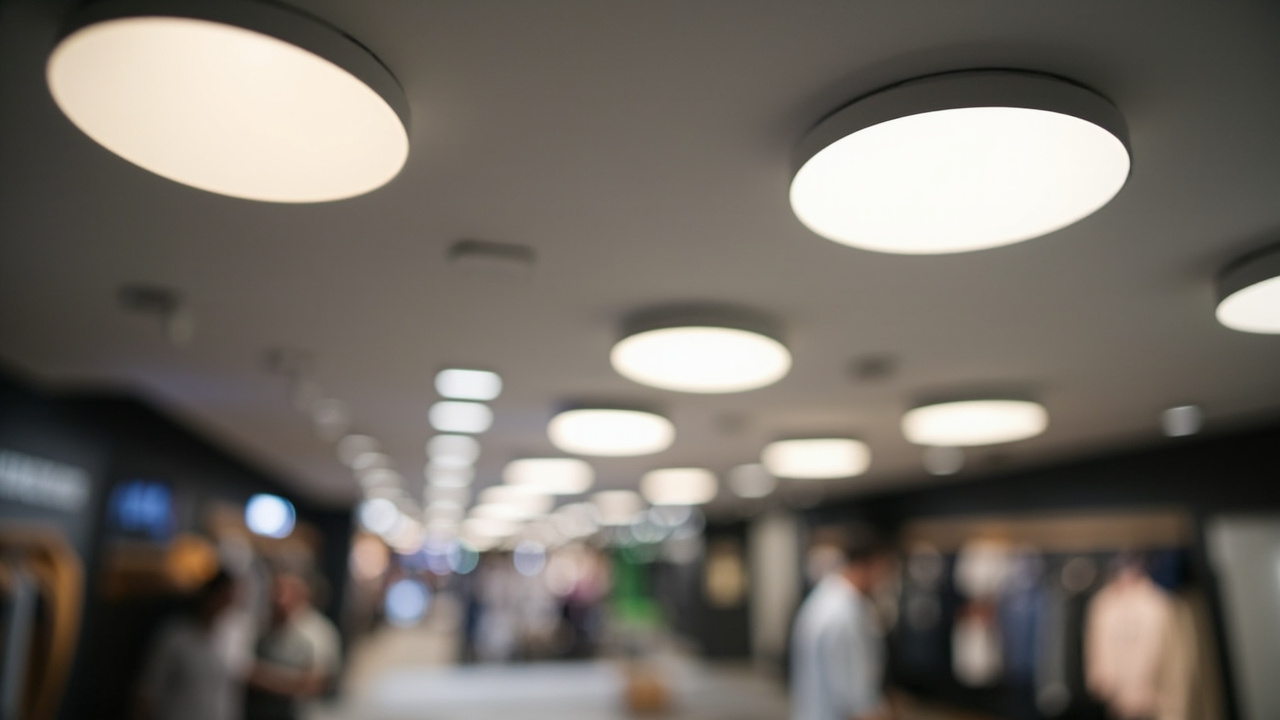
Track lighting versus recessed lighting creates different customer experiences. Track systems offer flexibility for changing displays but require more ceiling clearance. Recessed lighting provides a cleaner look but limits adjustability. Your ceiling height and merchandise rotation frequency should drive this decision.
Understanding Fairfax District building characteristics
Fairfax District retail spaces often occupy buildings from the 1920s through 1950s. These structures feature plaster ceilings, limited electrical capacity, and sometimes knob-and-tube wiring. A pre-renovation electrical inspection reveals whether your panel can handle modern lighting loads.
Many Fairfax storefronts have storefront windows facing south or west. This creates intense afternoon sun that affects both customer comfort and lighting design. You need to balance natural light with artificial lighting to avoid glare on merchandise displays.
The district’s proximity to Hollywood creates specific aesthetic expectations. Customers expect boutique lighting that rivals what they see in fashion magazines. This means professional-grade LED fixtures with dimming capabilities and color temperature control.
Older buildings may lack proper grounding systems. This creates safety hazards and can cause LED drivers to fail prematurely. Upgrading the grounding system during your lighting installation prevents future electrical problems.. Read more about Upgrading your commercial kitchen’s electrical capacity for new walk-in freezers in Historic South Central.
California Title 24 compliance for Fairfax boutiques
California Title 24 mandates specific lighting power density (LPD) limits for retail spaces. For boutiques, this typically means 1.3 watts per square foot maximum. Exceeding this limit requires additional energy-saving measures like occupancy sensors or daylight harvesting controls.
The code requires at least 50% of lighting power to be high-efficacy, meaning LED or other energy-efficient sources. Incandescent or halogen fixtures cannot meet Title 24 requirements without significant penalties.. Read more about The Ultimate Guide to Energy-Efficient Lighting for Your Century City Office Space.
Automatic shutoff controls must turn off all lighting within 30 minutes of the last customer leaving. This applies even if you have staff working late. Manual override switches must be installed for cleaning crews and maintenance.
Daylight-responsive controls are required for spaces with windows. These automatically dim interior lighting when natural light levels are sufficient. This prevents the common problem of customers squinting under bright lights near sunny windows.
LED retrofitting versus new construction
Existing boutiques can save significant costs by retrofitting LED fixtures rather than complete replacement. However, older buildings often have ceiling conditions that make retrofitting difficult. Plaster ceilings may require extensive patching after fixture removal.
New construction allows for optimal fixture placement and wiring runs. You can plan for future expansion and incorporate smart controls from the start. The higher upfront cost often pays for itself through energy savings and reduced maintenance.
Retrofit projects must maintain existing junction box locations unless you obtain new permits. This limits your lighting layout options but speeds up installation. New construction permits allow complete redesign of the electrical system.
Fixture compatibility becomes critical during retrofits. Not all LED bulbs work with existing dimmer switches or transformers. Testing each fixture combination prevents flickering or buzzing that drives customers away.
Track lighting systems for dynamic displays
Track lighting offers unmatched flexibility for rotating merchandise displays. You can reposition fixtures along the track to highlight new arrivals or seasonal items. This adaptability proves valuable in fast-changing boutique environments.
Monorail systems provide a more modern look than traditional track lighting. They allow curved configurations that can guide customer flow through your space. However, they require more ceiling support than standard tracks.
Low-voltage track systems use less energy and run cooler than line-voltage options. This matters in small boutique spaces where heat buildup affects both customer comfort and merchandise preservation.
Track lighting works best with high-CRI LED bulbs in the 3000K to 3500K color temperature range. This provides warm, inviting light that makes merchandise appear vibrant without the harshness of cooler temperatures.
Recessed lighting for clean aesthetics
Recessed lighting creates a minimalist look that works well in modern boutiques. When properly installed, fixtures disappear into the ceiling, keeping focus on merchandise rather than hardware.
IC-rated housings are mandatory in most jurisdictions when insulation contacts the fixture. This prevents fire hazards and ensures code compliance. Non-IC housings require specific clearance from insulation.
LED recessed fixtures have eliminated many traditional concerns about heat buildup. Modern units produce minimal heat while providing excellent light output. This allows tighter spacing without creating hot spots.
Spacing calculations matter significantly. A common rule suggests dividing ceiling height by two to determine maximum spacing between fixtures. For eight-foot ceilings, this means four feet between fixtures for even illumination.
Display case and accent lighting
Jewelry and accessory displays require specialized lighting to prevent glare while highlighting details. LED strips with diffusers work well for glass cases, providing even illumination without hot spots.
Picture lights and directional spotlights draw attention to featured merchandise. These should use narrow beam angles (15-25 degrees) to create focused highlights without spilling light onto surrounding areas.
Under-shelf lighting illuminates lower display areas that often appear dark with overhead lighting alone. This prevents the common problem of customers missing merchandise at the bottom of displays.
Color temperature affects how metals and gemstones appear. Warmer temperatures (2700K-3000K) enhance gold tones, while cooler temperatures (4000K-5000K) make silver and diamonds sparkle more prominently.
Smart lighting controls and automation
Smart lighting systems allow boutique owners to create different scenes for various times of day. Morning might feature bright, energizing light while evening creates a more intimate shopping atmosphere.
Motion sensors in storage areas and back rooms save energy while improving convenience. These automatically turn on when staff enters and shut off after periods of inactivity.
Scheduling systems can gradually dim lights as closing time approaches, signaling customers without announcements. This creates a smoother closing process and prevents the jarring effect of sudden darkness.
Integration with security systems allows lights to simulate occupancy when the store is closed. Random lighting patterns deter break-ins more effectively than static lighting schedules.
Energy efficiency and cost savings
LED fixtures use 75% less energy than traditional incandescent bulbs while lasting 25 times longer. This translates to significant monthly savings on your LADWP bill, especially important for new businesses managing tight budgets.
Utility rebates from LADWP can offset 20-30% of your lighting upgrade costs. These rebates require specific fixture certifications and may have application deadlines. Planning your installation around rebate cycles maximizes savings.
Maintenance costs drop dramatically with LED systems. Traditional bulbs might need replacement every six months in retail environments. Quality LED fixtures often last five years or more before requiring attention.
Heat reduction from LED fixtures can lower your cooling costs. Traditional lighting produces significant heat, forcing air conditioning systems to work harder. LEDs generate minimal heat, reducing the load on your HVAC system.
Emergency and exit lighting requirements
California fire codes mandate specific emergency lighting requirements for retail spaces. Exit signs must remain illuminated at all times, even during power outages. Battery backup systems ensure visibility during emergencies.
Emergency lighting must provide minimum illumination levels along exit paths. This typically means 1-foot candle (10 lux) minimum along egress routes. Photometric calculations verify compliance before final inspections.
Exit signs must use red letters on a contrasting background. Self-luminous or LED exit signs are preferred over traditional incandescent units due to energy efficiency and reliability.
Monthly testing of emergency lighting systems is mandatory. This includes verifying battery backup operation and checking illumination levels. Documentation of these tests satisfies inspection requirements.
Maintenance and repair considerations
Retail lighting requires different maintenance approaches than residential systems. High-traffic areas need more frequent cleaning to prevent dust buildup that reduces light output by up to 30%.
Fixture accessibility affects maintenance costs. Ceiling-mounted fixtures in high spaces require ladders or lifts for bulb replacement. Planning for easy access during installation reduces long-term maintenance expenses.
Driver failures in LED systems often mimic bulb problems. Understanding the difference prevents unnecessary fixture replacements. Most quality LED fixtures include diagnostic indicators for troubleshooting.
Cleaning protocols matter for maintaining light quality. Abrasive cleaners can damage fixture finishes and diffusers. Using manufacturer-recommended cleaning methods preserves both appearance and performance.
Professional installation process
Professional lighting installation begins with a site assessment. Electricians evaluate existing electrical capacity, ceiling conditions, and building codes before creating a detailed plan.
Permitting requirements vary by project scope. Simple fixture replacements might not need permits, but new circuits or panel upgrades always require LADBS approval. Starting without proper permits can halt your entire build-out.
Phased installation allows businesses to remain partially operational during upgrades. This proves valuable for boutiques that cannot afford complete closure during renovations.
Final inspection ensures all work meets code requirements. LADBS inspectors check wiring methods, grounding, and fixture installations. Addressing issues during rough inspection prevents costly rework later.
Comparing lighting options for Fairfax boutiques
| Lighting Type | Initial Cost | Energy Use | Lifespan | Best For |
|---|---|---|---|---|
| LED Track | $$ | Low | 50,000+ hours | Dynamic displays |
| LED Recessed | $$ | Low | 40,000+ hours | Clean aesthetics |
| Fluorescent Troffer | $ | Medium | 20,000 hours | Basic lighting |
| Halogen Track | $$ | High | 2,000 hours | Accent lighting |
Color temperature selection guide
| Application | Color Temp (K) | Effect |
|---|---|---|
| Clothing retail | 3000-3500 | Warm, inviting |
| Jewelry displays | 4000-4500 | Crisp, detailed |
| Art galleries | 2700-3000 | Gallery standard |
| General retail | 3500-4000 | Balanced light |
Frequently Asked Questions
How much does professional boutique lighting cost in the Fairfax District?
Professional boutique lighting installations typically range from $8,000 to $25,000 depending on space size and fixture quality. This includes design, permitting, installation, and initial testing. LED systems cost more upfront but save 60-80% on energy compared to traditional lighting.
Do I need permits for lighting upgrades in my Fairfax boutique?
Simple fixture replacements usually don’t require permits. However, new circuits, panel upgrades, or changes to existing wiring need LADBS permits. Your electrician can determine specific requirements based on your project scope during the initial assessment.
How long does a typical boutique lighting installation take?
Most boutique lighting projects complete in 3-7 business days. Simple retrofits might finish in two days, while complete electrical upgrades with new panel installations take longer. Phased installation allows partial store operation during the process.
What is the best color temperature for clothing displays?
3000-3500 Kelvin provides the optimal balance for clothing retail. This range renders colors accurately without the harshness of cooler temperatures. It creates a warm, inviting atmosphere that encourages customers to spend more time in your store.
Can I install track lighting in a plaster ceiling?
Yes, but it requires specific techniques. Electricians use specialized anchors for plaster ceilings and may need to reinforce mounting points. The process creates more dust than drywall installations but produces professional results when done correctly.
Getting started with your Fairfax boutique lighting
Professional lighting design transforms how customers experience your boutique. The right combination of energy efficiency, code compliance, and aesthetic appeal creates an environment that drives sales while controlling operating costs.
Start with a professional assessment of your space. An experienced electrician evaluates your electrical capacity, building characteristics, and specific needs before recommending solutions. This prevents costly mistakes and ensures your lighting system supports your business goals.
Consider your merchandise mix when planning lighting. Different products require different lighting approaches. Clothing benefits from warm, even illumination while jewelry needs focused, high-contrast lighting to highlight details.
Factor in future flexibility. Your merchandise mix will evolve, and your lighting should accommodate changes without major rewiring. Track systems offer the most flexibility, but even recessed layouts can incorporate adjustable fixtures.
Professional installation ensures code compliance and optimal performance. Licensed electricians understand Title 24 requirements and LADBS permitting processes. They also warranty their work, providing peace of mind for new business owners.
Ready to transform your Fairfax District boutique with professional lighting? Contact our team for a free consultation and lighting design assessment. We’ll help you create the perfect lighting environment that attracts customers and maximizes your merchandise appeal.

[IMAGE_PLACEHOLDER_3>
{
“@context”: “https://schema.org”,
“@type”: “BlogPosting”,
“headline”: “Professional shop lighting tips for new boutiques opening in the Fairfax District”,
“description”: “Expert lighting design for Fairfax District boutiques. Learn energy codes, CRI selection, and smart controls to maximize sales and minimize costs.”,
“wordCount”: 2094,
“datePublished”: “2026-05-12T06:28:00.000Z”,
“dateModified”: “2026-05-12T06:28:00.000Z”,
“inLanguage”: “en-US”,
“mainEntityOfPage”: {
“@type”: “WebPage”,
“@id”: “https://eliteelectricianslosangeles.com”
},
“publisher”: {
“@type”: “LocalBusiness”,
“name”: “Elite Electricians Los Angeles”,
“url”: “https://eliteelectricianslosangeles.com”
},
“author”: {
“@type”: “Organization”,
“name”: “Elite Electricians Los Angeles”,
“url”: “https://eliteelectricianslosangeles.com”
},
“image”: {
“@type”: “ImageObject”,
“url”: “https://eliteelectricianslosangeles.com/wp-content/uploads/2026/03/professional-shop-lighting-tips-for-new-boutiques-1.jpg”
}
}
{
“@context”: “https://schema.org”,
“@type”: “Electrician”,
“name”: “Elite Electricians Los Angeles”,
“url”: “https://eliteelectricianslosangeles.com”,
“address”: {
“@type”: “PostalAddress”,
“addressLocality”: “Los Angeles”
},
“areaServed”: {
“@type”: “City”,
“name”: “Los Angeles”
}
}
{
“@context”: “https://schema.org”,
“@type”: “FAQPage”,
“mainEntity”: [
{
“@type”: “Question”,
“name”: “How much does professional boutique lighting cost in the Fairfax District?”,
“acceptedAnswer”: {
“@type”: “Answer”,
“text”: “Professional boutique lighting installations typically range from $8,000 to $25,000 depending on space size and fixture quality. This includes design, permitting, installation, and initial testing. LED systems cost more upfront but save 60-80% on energy compared to traditional lighting.”
}
},
{
“@type”: “Question”,
“name”: “Do I need permits for lighting upgrades in my Fairfax boutique?”,
“acceptedAnswer”: {
“@type”: “Answer”,
“text”: “Simple fixture replacements usually don’t require permits. However, new circuits, panel upgrades, or changes to existing wiring need LADBS permits. Your electrician can determine specific requirements based on your project scope during the initial assessment.”
}
},
{
“@type”: “Question”,
“name”: “How long does a typical boutique lighting installation take?”,
“acceptedAnswer”: {
“@type”: “Answer”,
“text”: “Most boutique lighting projects complete in 3-7 business days. Simple retrofits might finish in two days, while complete electrical upgrades with new panel installations take longer. Phased installation allows partial store operation during the process.”
}
},
{
“@type”: “Question”,
“name”: “What is the best color temperature for clothing displays?”,
“acceptedAnswer”: {
“@type”: “Answer”,
“text”: “3000-3500 Kelvin provides the optimal balance for clothing retail. This range renders colors accurately without the harshness of cooler temperatures. It creates a warm, inviting atmosphere that encourages customers to spend more time in your store.”
}
},
{
“@type”: “Question”,
“name”: “Can I install track lighting in a plaster ceiling?”,
“acceptedAnswer”: {
“@type”: “Answer”,
“text”: “Yes, but it requires specific techniques. Electricians use specialized anchors for plaster ceilings and may need to reinforce mounting points. The process creates more dust than drywall installations but produces professional results when done correctly.”
}
}
]
}
{
“@context”: “https://schema.org”,
“@type”: “BreadcrumbList”,
“itemListElement”: [
{
“@type”: “ListItem”,
“position”: 1,
“name”: “Home”,
“item”: “https://eliteelectricianslosangeles.com”
},
{
“@type”: “ListItem”,
“position”: 2,
“name”: “Blog”,
“item”: “https://eliteelectricianslosangeles.com/blog”
},
{
“@type”: “ListItem”,
“position”: 3,
“name”: “Professional shop lighting tips for new boutiques opening in the Fairfax District”
}
]
}
{
“@context”: “https://schema.org”,
“@type”: “Service”,
“serviceType”: “Electricians”,
“provider”: {
“@type”: “LocalBusiness”,
“name”: “Elite Electricians Los Angeles”,
“url”: “https://eliteelectricianslosangeles.com”
},
“areaServed”: {
“@type”: “City”,
“name”: “Los Angeles”
},
“description”: “Expert lighting design for Fairfax District boutiques. Learn energy codes, CRI selection, and smart controls to maximize sales and minimize costs.”
}