
Wiring your Mar Vista garage conversion for a high-end home gym
Your Mar Vista garage sits at a crossroads. It could remain a storage space for holiday decorations and old sports equipment. Or it could transform into a high-performance fitness center complete with climate control, professional lighting, and the latest smart equipment. The difference between these two futures often comes down to electrical planning. Electrical Inglewood.
Mar Vista’s mid-century homes built in the 1940s and 1950s were designed for basic garage use. A single 15-amp circuit powered a light bulb and maybe a garage door opener. Today’s home gyms demand significantly more power. Treadmills draw 15-20 amps. Saunas need dedicated 240-volt circuits. Mini-split HVAC systems require their own circuits. When you add smart gym equipment, sound systems, and charging stations for electric vehicles, the electrical demands multiply quickly. Electrical Compton.
Before you purchase that Peloton or Tonal, understanding your garage’s electrical capacity becomes essential. This guide walks you through the specific requirements for converting your Mar Vista garage into a safe, code-compliant fitness space that can handle today’s high-tech workout equipment. Electrical Long Beach.
Understanding your garage’s current electrical system
Most Mar Vista homes feature original electrical panels from the mid-20th century. These panels typically provide 100 to 150 amps for the entire house. When you add a garage gym, you’re essentially creating a new electrical load center that must integrate with your existing system.
Start by locating your main electrical panel. In Mar Vista’s older homes, panels often hide in laundry rooms, hallways, or exterior walls. Check the amperage rating printed on the main breaker. This number tells you the total power available for your entire home.
Next, examine your garage’s existing wiring. Look for a sub-panel or junction box. Many Mar Vista garages have only a single outlet on a shared circuit with other areas of the home. This setup cannot support modern gym equipment safely.
Common electrical issues in Mar Vista garages include:
- Aluminum wiring from the 1960s that poses fire risks
- Knob-and-tube wiring in homes built before 1950
- Undersized service panels unable to handle additional loads
- Ungrounded outlets that violate current electrical codes
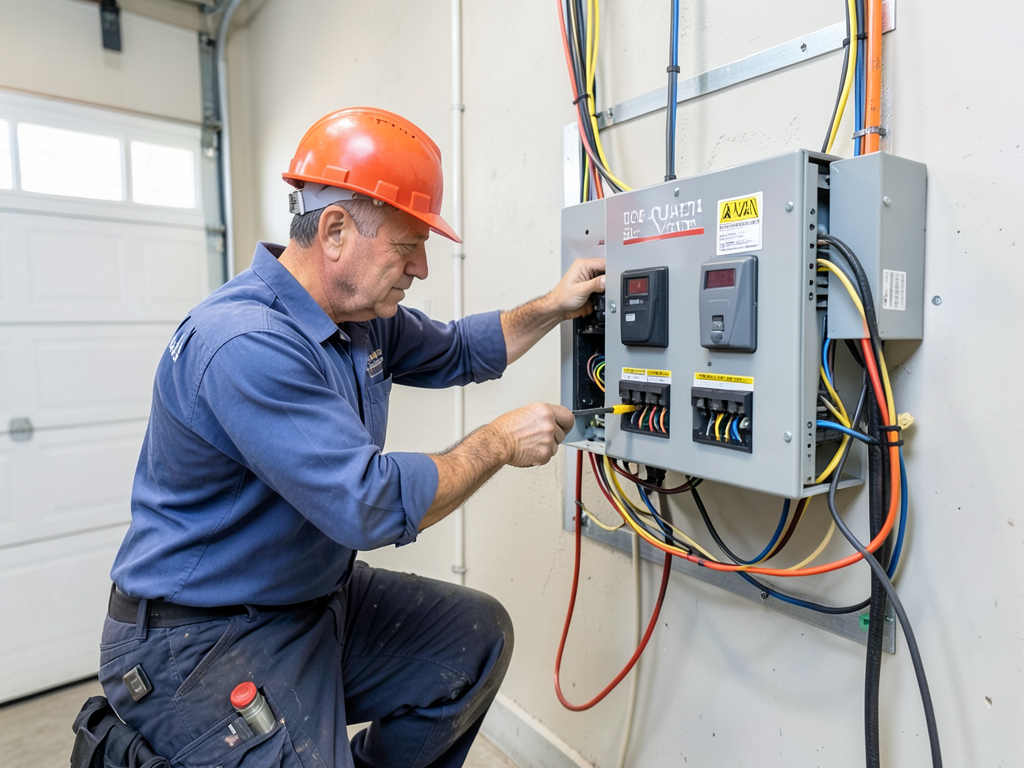
Addressing these issues requires professional evaluation. A licensed electrician can perform load calculations to determine if your current system can support a garage gym or if upgrades become necessary.
Load calculations for gym equipment
Every piece of gym equipment draws power differently. Understanding these requirements helps you plan your electrical layout effectively.
Treadmills typically require 15-20 amps on a dedicated 120-volt circuit. The motor needs consistent power, especially during high-intensity workouts. Sharing this circuit with other devices risks tripping breakers mid-run.
Smart gym equipment like Peloton bikes and Tonal systems need dedicated 15-amp circuits. While they don’t draw as much power as treadmills, they require stable connections for software updates and streaming services.
Infrared saunas demand significant power. A standard two-person sauna needs a 240-volt, 20-amp dedicated circuit. Larger models may require 30 or 40 amps. These units generate heat through infrared panels that consume substantial electricity.
Mini-split HVAC systems for garage climate control typically need 15-20 amps on a dedicated circuit. The outdoor compressor and indoor air handler work together to maintain comfortable temperatures year-round in Mar Vista’s coastal climate.
Power racks with integrated lighting and USB charging ports may need additional 15-amp circuits. These features add convenience but increase electrical demands.
Here’s a typical load breakdown for a comprehensive home gym:
| Equipment | Circuit Type | Amperage | Voltage |
|---|---|---|---|
| Treadmill | Dedicated 120V | 20 | 120 |
| Sauna | Dedicated 240V | 20-30 | 240 |
| Mini-split HVAC | Dedicated 120V | 15-20 | 120 |
| Smart Gym | Dedicated 120V | 15 | 120 |
| Power Rack Accessories | Dedicated 120V | 15 | 120 |
| Sound System | Dedicated 120V | 15 | 120 |
| General Lighting | Shared Circuit | 15 | 120 |
| EV Charger (if kept) | Dedicated 240V | 40 | 240 |
Sub-panel installation requirements
Most garage gym conversions require a sub-panel installation. This secondary breaker box allows you to add multiple dedicated circuits without overloading your main panel.
Sub-panel sizing depends on your total equipment load. A 60-amp sub-panel handles most home gym setups. Larger installations with saunas and multiple high-draw devices may need 100-amp panels.
Installation involves running a feeder cable from your main panel to the garage. This cable must be sized correctly for the sub-panel’s amperage rating. For a 60-amp panel, you’ll need 6-gauge copper wire. A 100-amp panel requires 3-gauge copper.
Grounding becomes critical in garage installations. The National Electrical Code requires proper grounding for all sub-panels. This includes a grounding electrode conductor connected to a ground rod or the building’s existing grounding system.
Arc fault circuit interrupters (AFCI) protect against electrical fires by detecting dangerous arcing conditions. Most jurisdictions now require AFCI protection for garage circuits. Your electrician will install AFCI breakers in your sub-panel.
Ground fault circuit interrupters (GFCI) protect against shock in wet areas. Garages qualify as damp locations, making GFCI protection mandatory for all outlets. GFCI breakers or GFCI outlets provide this safety feature.
Sub-panel placement matters for both safety and convenience. Install the panel where you can easily access breakers but away from workout areas where equipment might bump into it. A height of 48 to 54 inches from the floor works well for most users.
Lighting design for workout spaces
Proper lighting transforms a garage gym from a dim storage space into a professional workout environment. The right lighting improves safety, enhances mood, and makes exercises more effective.
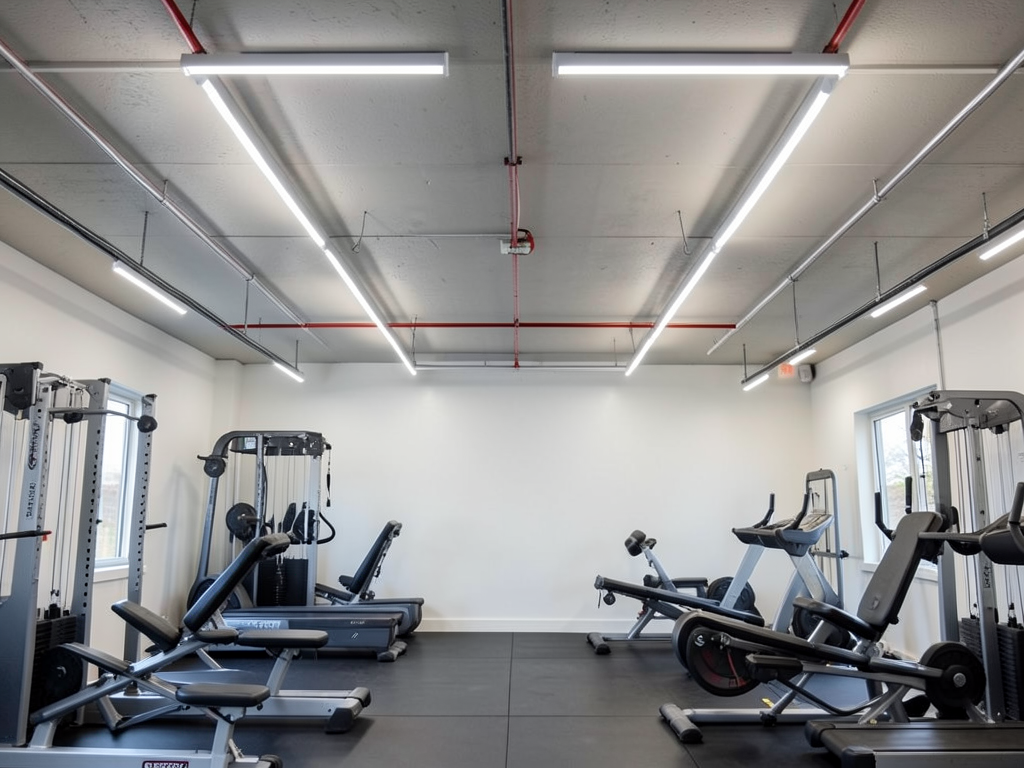
LED high-bay fixtures provide excellent illumination for garage gyms. These lights mount to ceiling joists and direct light downward with minimal glare. Look for fixtures with color rendering indexes (CRI) above 90. High CRI values ensure colors appear natural, which helps with balance and spatial awareness during exercises.
Lumen requirements vary by workout type. For general fitness areas, aim for 50-70 lumens per square foot. Yoga and stretching zones benefit from softer lighting at 30-40 lumens per square foot. High-intensity interval training areas need brighter light at 70-100 lumens per square foot.
Dimmable lighting adds versatility to your gym. Install dimmer switches to adjust brightness based on your workout. Bright light energizes morning cardio sessions. Dimmed lighting creates a calming atmosphere for yoga or meditation.
Task lighting targets specific areas. Under-cabinet LED strips illuminate weight racks and storage areas. Adjustable track lighting can highlight mirrors or equipment stations. These focused lights prevent shadows that might cause accidents.
Motion sensor controls add convenience. Install motion sensors that turn lights on when you enter the garage. This feature proves especially useful when your hands are full with workout gear.
Emergency lighting ensures safety during power outages. Battery-backed LED fixtures provide illumination for 90 minutes when main power fails. These lights help you exit safely and prevent accidents in dark conditions.
Heat management affects lighting choices. LED fixtures generate less heat than traditional bulbs, reducing cooling loads on your HVAC system. This efficiency matters in Mar Vista’s warm climate where garages can become uncomfortably hot.
HVAC and ventilation considerations
Mar Vista’s coastal climate creates unique challenges for garage gyms. Morning fog and evening marine layers bring moisture. Afternoon heat waves push temperatures above 90 degrees. Year-round temperature control becomes essential for comfortable workouts.
Ductless mini-split systems offer the best solution for garage climate control. These units consist of an outdoor compressor and one or more indoor air handlers. Installation requires running refrigerant lines and electrical wiring through small wall penetrations.
BTU requirements depend on your garage size and local climate. A typical two-car garage needs 18,000 to 24,000 BTUs for adequate cooling. Mar Vista’s coastal humidity means you should size slightly higher than standard calculations suggest.
Zoned systems provide flexibility. Install multiple air handlers to create different temperature zones. Keep the cardio area cooler for intense workouts while maintaining moderate temperatures in stretching zones.
Ventilation removes moisture and odors. Exhaust fans mounted high on walls or ceilings pull stale air out while fresh air enters through vents or gaps. Aim for 8-10 air changes per hour in your gym space.
Heat recovery ventilators (HRVs) improve air quality while maintaining energy efficiency. These units exchange indoor and outdoor air while transferring heat between the airstreams. HRVs reduce cooling costs while ensuring fresh air circulation.
Dehumidification prevents moisture damage. Garages in Mar Vista often experience humidity levels above 60%. Install a dedicated dehumidifier or choose a mini-split system with dehumidification mode to protect equipment and prevent mold growth.
Smart thermostats optimize energy use. Wi-Fi enabled thermostats let you control temperatures remotely and set schedules that match your workout routine. Some models learn your patterns and adjust automatically.
Permitting and code compliance in Mar Vista
Los Angeles Department of Building and Safety (LADBS) requires permits for most garage electrical work. Understanding these requirements prevents costly mistakes and ensures your installation passes inspection. Los Angeles Department of Building and Safety.
Permit types for garage gym conversions include:
- Electrical permit for all wiring changes
- Mechanical permit for HVAC installations
- Building permit if structural changes occur
Application process starts with submitting plans to LADBS. Include detailed electrical drawings showing circuit layouts, panel locations, and equipment specifications. Professional drawings increase approval chances and speed up the review process.
Title 24 energy compliance affects your installation. California’s building energy efficiency standards require specific insulation levels, lighting efficiency, and HVAC performance. Your electrician must calculate energy usage and ensure compliance with these requirements. California Title 24 Energy Code.
Historic district considerations apply to some Mar Vista homes. If your property sits in a historic district, additional approvals may be necessary. Exterior changes like HVAC unit placement require review by the Historic Preservation Overlay Zone board.
Inspection process involves multiple visits from building inspectors. Rough inspection occurs after wiring installation but before walls close. Final inspection happens when all work completes. Inspectors check for code compliance, proper grounding, and safe installation practices.
Common inspection failures include:
- Insufficient circuit capacity
- Missing GFCI protection
- Improper grounding
- Non-compliant wire sizing
Working with a licensed C-10 electrical contractor ensures compliance. These professionals understand local codes and can navigate the permitting process efficiently. They also carry insurance that protects you from liability during installation.
Smart home integration for fitness spaces
Modern home gyms extend beyond basic equipment. Smart technology enhances workouts, improves convenience, and creates immersive fitness experiences.
Wi-Fi mesh systems ensure reliable connectivity throughout your garage gym. Standard routers often struggle to reach detached garages. Mesh nodes placed strategically provide strong signals for streaming workouts, music, and smart equipment updates.
Smart speakers create audio environments. Install weather-resistant speakers that connect to your home automation system. Control music, podcasts, or workout apps with voice commands or smartphone apps.
Automated lighting scenes match different workout types. Create presets for high-energy cardio, calming yoga, or intense weightlifting. Voice commands or smartphone taps switch between scenes instantly.
Temperature sensors integrate with your HVAC system. Smart sensors detect when you enter the gym and adjust temperatures automatically. Some systems learn your preferences and optimize settings for energy efficiency.
Equipment monitoring prevents failures. Smart plugs track power usage of individual devices. Unusual power draws might indicate equipment problems before they cause failures. Some systems send alerts when devices need maintenance.
Security integration protects your investment. Connect gym equipment to your home security system. Motion sensors can trigger cameras if someone enters during unusual hours. Smart locks control access to the space.
Data collection helps optimize your space. Track workout patterns, energy usage, and equipment performance over time. This information helps you make informed decisions about upgrades or changes to your setup.
EV charger considerations in dual-purpose garages
Many Mar Vista residents keep electric vehicles and want to maintain charging capability in their garage gym conversion. This dual-purpose approach requires careful electrical planning.
Level 2 EV chargers need 240-volt circuits with 30-50 amp capacity. Installing a dedicated charger circuit while adding gym equipment may push your electrical service to its limits. Load calculations become critical to ensure you don’t overload your main panel.
Load management systems help balance demands. These smart devices monitor total electrical usage and can temporarily reduce EV charging when other equipment runs. Some systems allow you to set priorities so your treadmill never loses power mid-workout.
Portable charging options offer flexibility. Instead of a permanent wall-mounted charger, consider a portable unit that plugs into a 240-volt outlet. This approach lets you move the charger when you need space for gym equipment.
Timing controls optimize energy use. Schedule EV charging during off-peak hours when electricity rates drop. Many utilities offer time-of-use plans that make overnight charging significantly cheaper than daytime charging.
Outdoor charging alternatives keep your garage free for workouts. Install a weatherproof charger on an exterior wall or use a long cable to reach your vehicle from an interior outlet. This setup works well if you park outside regularly.
Electrical upgrades may be necessary. If your main panel lacks capacity for both EV charging and a full gym, you might need a service upgrade from 100 to 200 amps. This investment costs more upfront but provides flexibility for future electrical needs.
Cost factors and budgeting
Garage gym electrical conversions vary widely in cost depending on your specific needs and existing conditions. Understanding cost factors helps you budget effectively.
Basic electrical upgrades start around $1,500. This includes adding dedicated circuits for key equipment and upgrading outlets to GFCI-protected versions. However, this minimal approach may not support all your desired equipment.
Comprehensive conversions typically range from $5,000 to $15,000. This includes sub-panel installation, dedicated circuits for all equipment, proper lighting design, and HVAC integration. Higher-end conversions with extensive smart home integration can exceed $20,000.
Cost factors include:
- Existing electrical panel capacity
- Distance from main panel to garage
- Need for service upgrades
- Complexity of lighting design
- HVAC system requirements
- Smart home integration level
- Permit and inspection fees
DIY electrical work risks fines and safety hazards. California law requires licensed electricians for most electrical installations. Attempting DIY work can void insurance coverage and create dangerous conditions.
Phased approaches spread costs over time. Start with essential circuits for your most-used equipment. Add features like saunas or advanced lighting as your budget allows. This strategy lets you begin using your gym while planning future upgrades.
Energy efficiency investments pay long-term dividends. LED lighting, efficient HVAC systems, and smart controls reduce electricity costs over time. Calculate potential savings when comparing equipment options.
Quality workmanship prevents expensive repairs. Choose experienced electricians familiar with Mar Vista’s building codes and common home types. Proper installation avoids issues that could damage expensive gym equipment or require costly rework.
Maintenance and safety considerations
Regular maintenance keeps your garage gym electrical system safe and reliable. Establish a routine to check for potential issues before they become problems.
Monthly visual inspections should include:
- Checking for warm outlets or switches
- Testing GFCI outlets by pressing the test button
- Verifying all equipment powers on correctly
- Checking for loose or damaged wires
Annual professional inspections catch issues you might miss. Electricians can test circuit integrity, check grounding systems, and verify that all safety devices function properly. These inspections cost $150-300 but prevent expensive damage.
Surge protection safeguards expensive equipment. Install whole-home surge protectors at your main panel and point-of-use protectors for sensitive electronics. Mar Vista’s coastal location makes equipment vulnerable to lightning strikes and power surges.
Emergency shutoff procedures protect against accidents. Install clearly labeled emergency switches that cut power to the entire gym. These switches should be easily accessible but away from water sources.
Fire safety equipment includes smoke detectors and fire extinguishers. Install smoke detectors that communicate with your home system. Keep a Class C fire extinguisher rated for electrical fires near the sub-panel.
Equipment placement prevents damage. Keep water sources away from electrical panels and outlets. Install drip trays under water bottles and ensure proper drainage if you install showers or sinks.
Documentation helps with troubleshooting. Keep records of circuit layouts, equipment specifications, and maintenance history. This information proves valuable when diagnosing problems or planning upgrades.
Energy monitoring helps identify issues early. Smart energy monitors track unusual power usage patterns that might indicate failing equipment or wiring problems. Some systems send alerts when they detect anomalies.
Case studies: Mar Vista garage gym conversions
Real examples illustrate the planning process and potential outcomes for garage gym projects in Mar Vista.
The Johnson family on Grand View Boulevard converted their 1950s garage into a comprehensive fitness center. Their 400-square-foot space houses a treadmill, stationary bike, weight rack, and infrared sauna. The project required a 100-amp sub-panel, LED high-bay lighting, and a 24,000 BTU mini-split system. Total cost: $18,000. Result: Year-round comfortable workouts with dedicated circuits for each major piece of equipment.
A Venice Boulevard homeowner created a yoga and meditation studio in a 200-square-foot garage. The focus was on creating a calming environment rather than supporting heavy equipment. Installation included dimmable LED lighting, a small sound system, and a single 20-amp circuit for a space heater. Cost: $4,200. Result: A serene space perfect for yoga practice with minimal electrical demands.
The Martinez family near Mar Vista Park needed to maintain EV charging while adding gym equipment. Their solution involved load management technology that automatically adjusts charging rates when the treadmill runs. A 60-amp sub-panel supports the gym while a separate 50-amp circuit handles EV charging. Cost: $9,500. Result: Both functions work seamlessly without service upgrades.
A Palms-area homeowner converted a detached garage into a professional-grade training facility. The 600-square-foot space includes commercial-grade equipment, a sauna, and a small juice bar with refrigeration. Installation required a 200-amp service upgrade, extensive grounding, and specialized HVAC zoning. Cost: $28,000. Result: A commercial-quality facility that meets all safety and code requirements.
These examples demonstrate how electrical planning adapts to different needs and budgets. Professional evaluation helps determine the most cost-effective approach for your specific situation.
Getting started with your garage gym project
Transforming your Mar Vista garage into a high-end fitness center begins with proper planning. Follow these steps to ensure a successful project.
Step one involves assessing your current electrical capacity. Contact a licensed electrician to evaluate your main panel and garage wiring. This evaluation costs $150-300 but prevents costly mistakes later.
Step two requires defining your equipment needs. List every piece of equipment you plan to install, including future purchases. This inventory helps your electrician calculate total electrical loads accurately.
Step three focuses on design planning. Work with professionals to create a layout that optimizes space while ensuring electrical safety. Consider factors like equipment placement, lighting design, and HVAC efficiency.
Step four addresses permitting requirements. Your electrician should handle permit applications and coordinate inspections. This professional approach ensures compliance and prevents delays.
Step five involves selecting equipment and finishes. Choose energy-efficient options when possible. LED lighting, efficient HVAC systems, and smart controls reduce operating costs while improving performance.
Step six covers installation scheduling. Plan for electrical work to occur before other renovations. This sequencing prevents damage to new finishes and ensures proper wiring before walls close.
Step seven requires final inspections and testing. Verify that all circuits function correctly and that safety devices operate properly. Test equipment under full load to ensure your system handles demands.
Throughout the process, maintain communication with your electrician. Ask questions about code requirements, safety features, and energy efficiency options. An informed homeowner makes better decisions and achieves better results.
Your Mar Vista garage holds tremendous potential for fitness and wellness. With proper electrical planning, you can create a safe, efficient, and inspiring workout space that serves your family for years to come. The investment in professional electrical work pays dividends through improved safety, reliability, and performance.
Frequently Asked Questions
How much does it cost to wire a garage gym in Mar Vista?
Costs vary significantly based on your needs. Basic upgrades start around $1,500 while comprehensive conversions typically range from $5,000 to $15,000. High-end installations with saunas and smart technology can exceed $20,000. Your specific equipment choices and existing electrical capacity determine the final cost.
Do I need permits for garage gym electrical work in Los Angeles?
Yes. Los Angeles Department of Building and Safety requires electrical permits for most garage wiring changes. This includes adding circuits, installing sub-panels, and modifying existing electrical systems. Your licensed electrician should handle permit applications and coordinate required inspections.
Can my old Mar Vista home handle a garage gym?
Many older Mar Vista homes need electrical upgrades to support modern gym equipment. Homes built before 1980 often have 100-amp service panels that cannot handle additional loads. A professional load calculation determines if your system needs upgrades like a service panel replacement or main panel heavy-up.
How long does garage gym electrical installation take?
Most projects require 2-5 days for electrical work, depending on complexity. Simple circuit additions take 1-2 days. Comprehensive conversions with sub-panels and HVAC wiring typically need 3-4 days. Permit processing adds 1-3 weeks before work can begin. Your electrician can provide specific timelines after evaluating your situation.
What’s the best lighting for a garage gym?
LED high-bay fixtures with color rendering indexes above 90 provide excellent illumination for workout spaces. These lights offer bright, even lighting without the heat of traditional bulbs. Dimmable options let you adjust brightness for different activities. Aim for 50-70 lumens per square foot for general fitness areas.
- Assess Current Capacity
Have a licensed electrician evaluate your main electrical panel and garage wiring. This evaluation identifies necessary upgrades and prevents costly mistakes.
- Inventory Equipment Needs
List all current and planned equipment with their electrical requirements. Include treadmills, saunas, HVAC systems, and smart devices to calculate total load accurately.
- Design Layout and Circuits
Work with professionals to create a layout that optimizes space while ensuring electrical safety. Plan dedicated circuits for high-draw equipment and proper lighting design.
- Handle Permits and Inspections
Your electrician should manage permit applications and coordinate required inspections. This ensures compliance with Los Angeles building codes and prevents project delays.
Ready to transform your Mar Vista garage into a high-performance fitness center? The electrical planning phase determines your project’s success. Contact Elite Electricians Los Angeles today at (213) 277-8815 for a professional evaluation of your garage’s electrical capacity. Our licensed C-10 contractors understand Mar Vista’s unique building requirements and can design a safe, efficient system that powers your fitness goals. Don’t risk DIY electrical work or code violations. Call us now to schedule your consultation and take the first step toward your dream home gym.
Installing a backup generator for your Hollywood Hills home before the next outage
Finding an Emergency Electrician in Silver Lake Who Actually Answers the Phone
Upgrading your Beverly Hills estate to a 400 amp electrical service
Is Your Sherman Oaks Home Ready for a 200 Amp Panel Upgrade?
Safely Wiring Your New Pool or Hot Tub in Encino
{
“@context”: “https://schema.org”,
“@type”: “BlogPosting”,
“headline”: “Wiring your Mar Vista garage conversion for a high-end home gym”,
“description”: “Expert guide to garage gym electrical wiring in Mar Vista. Learn dedicated circuits, HVAC power, lighting design, and LADBS permitting for safe home gym conversions.”,
“wordCount”: 3762,
“datePublished”: “2026-04-01T11:27:00.000Z”,
“dateModified”: “2026-04-01T11:27:00.000Z”,
“inLanguage”: “en-US”,
“mainEntityOfPage”: {
“@type”: “WebPage”,
“@id”: “https://eliteelectricianslosangeles.com”
},
“publisher”: {
“@type”: “LocalBusiness”,
“name”: “Elite Electricians Los Angeles”,
“url”: “https://eliteelectricianslosangeles.com”
},
“author”: {
“@type”: “Organization”,
“name”: “Elite Electricians Los Angeles”,
“url”: “https://eliteelectricianslosangeles.com”
},
“image”: {
“@type”: “ImageObject”,
“url”: “https://eliteelectricianslosangeles.com/wp-content/uploads/2026/03/wiring-your-mar-vista-garage-conversion-for-a-high-1.png”
}
}
{
“@context”: “https://schema.org”,
“@type”: “Electrician”,
“name”: “Elite Electricians Los Angeles”,
“url”: “https://eliteelectricianslosangeles.com”,
“address”: {
“@type”: “PostalAddress”,
“addressLocality”: “Los Angeles”
},
“areaServed”: {
“@type”: “City”,
“name”: “Los Angeles”
}
}
{
“@context”: “https://schema.org”,
“@type”: “FAQPage”,
“mainEntity”: [
{
“@type”: “Question”,
“name”: “How much does it cost to wire a garage gym in Mar Vista?”,
“acceptedAnswer”: {
“@type”: “Answer”,
“text”: “Costs vary significantly based on your needs. Basic upgrades start around $1,500 while comprehensive conversions typically range from $5,000 to $15,000. High-end installations with saunas and smart technology can exceed $20,000. Your specific equipment choices and existing electrical capacity determine the final cost.”
}
},
{
“@type”: “Question”,
“name”: “Do I need permits for garage gym electrical work in Los Angeles?”,
“acceptedAnswer”: {
“@type”: “Answer”,
“text”: “Yes. Los Angeles Department of Building and Safety requires electrical permits for most garage wiring changes. This includes adding circuits, installing sub-panels, and modifying existing electrical systems. Your licensed electrician should handle permit applications and coordinate required inspections.”
}
},
{
“@type”: “Question”,
“name”: “Can my old Mar Vista home handle a garage gym?”,
“acceptedAnswer”: {
“@type”: “Answer”,
“text”: “Many older Mar Vista homes need electrical upgrades to support modern gym equipment. Homes built before 1980 often have 100-amp service panels that cannot handle additional loads. A professional load calculation determines if your system needs upgrades like a service panel replacement or main panel heavy-up.”
}
},
{
“@type”: “Question”,
“name”: “How long does garage gym electrical installation take?”,
“acceptedAnswer”: {
“@type”: “Answer”,
“text”: “Most projects require 2-5 days for electrical work, depending on complexity. Simple circuit additions take 1-2 days. Comprehensive conversions with sub-panels and HVAC wiring typically need 3-4 days. Permit processing adds 1-3 weeks before work can begin. Your electrician can provide specific timelines after evaluating your situation.”
}
},
{
“@type”: “Question”,
“name”: “What’s the best lighting for a garage gym?”,
“acceptedAnswer”: {
“@type”: “Answer”,
“text”: “LED high-bay fixtures with color rendering indexes above 90 provide excellent illumination for workout spaces. These lights offer bright, even lighting without the heat of traditional bulbs. Dimmable options let you adjust brightness for different activities. Aim for 50-70 lumens per square foot for general fitness areas.”
}
}
]
}
{
“@context”: “https://schema.org”,
“@type”: “HowTo”,
“name”: “How to Plan Your Garage Gym Electrical System”,
“step”: [
{
“@type”: “HowToStep”,
“position”: 1,
“name”: “Assess Current Capacity”,
“text”: “Have a licensed electrician evaluate your main electrical panel and garage wiring. This evaluation identifies necessary upgrades and prevents costly mistakes.”
},
{
“@type”: “HowToStep”,
“position”: 2,
“name”: “Inventory Equipment Needs”,
“text”: “List all current and planned equipment with their electrical requirements. Include treadmills, saunas, HVAC systems, and smart devices to calculate total load accurately.”
},
{
“@type”: “HowToStep”,
“position”: 3,
“name”: “Design Layout and Circuits”,
“text”: “Work with professionals to create a layout that optimizes space while ensuring electrical safety. Plan dedicated circuits for high-draw equipment and proper lighting design.”
},
{
“@type”: “HowToStep”,
“position”: 4,
“name”: “Handle Permits and Inspections”,
“text”: “Your electrician should manage permit applications and coordinate required inspections. This ensures compliance with Los Angeles building codes and prevents project delays.”
}
],
“image”: “https://eliteelectricianslosangeles.com/wp-content/uploads/2026/03/wiring-your-mar-vista-garage-conversion-for-a-high-1.png”
}
{
“@context”: “https://schema.org”,
“@type”: “BreadcrumbList”,
“itemListElement”: [
{
“@type”: “ListItem”,
“position”: 1,
“name”: “Home”,
“item”: “https://eliteelectricianslosangeles.com”
},
{
“@type”: “ListItem”,
“position”: 2,
“name”: “Blog”,
“item”: “https://eliteelectricianslosangeles.com/blog”
},
{
“@type”: “ListItem”,
“position”: 3,
“name”: “Wiring your Mar Vista garage conversion for a high-end home gym”
}
]
}
{
“@context”: “https://schema.org”,
“@type”: “Service”,
“serviceType”: “Electricians”,
“provider”: {
“@type”: “LocalBusiness”,
“name”: “Elite Electricians Los Angeles”,
“url”: “https://eliteelectricianslosangeles.com”
},
“areaServed”: {
“@type”: “City”,
“name”: “Los Angeles”
},
“description”: “Expert guide to garage gym electrical wiring in Mar Vista. Learn dedicated circuits, HVAC power, lighting design, and LADBS permitting for safe home gym conversions.”
}