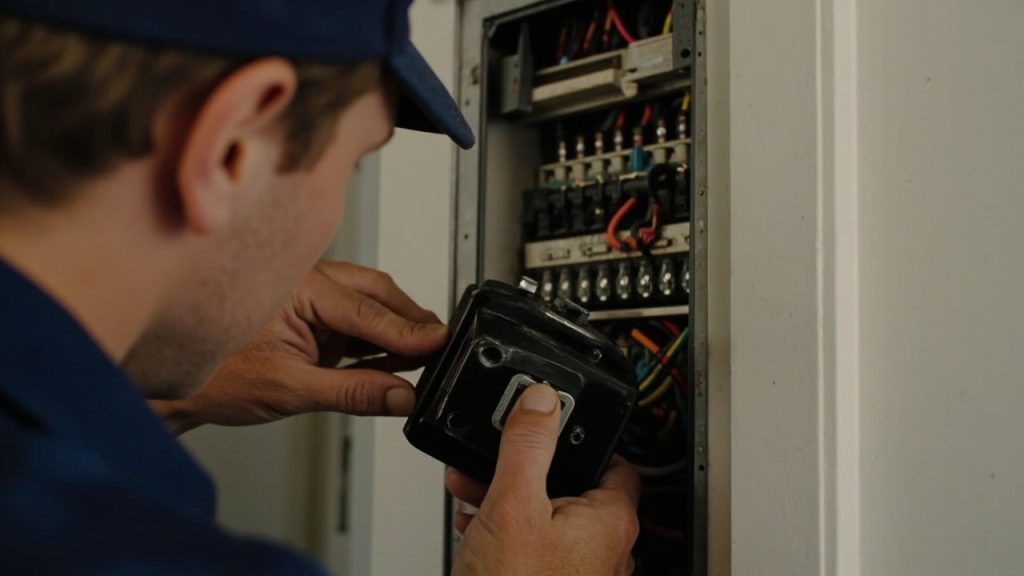
Why your historic Carthay Circle home keeps blowing fuses (and how to modernize safely)
Your vintage Carthay Circle home deserves better than constant fuse failures. When the power goes out in your 1930s Spanish Revival bungalow and you find yourself standing in front of that old fuse box with a flashlight, you are not just dealing with an inconvenience. You are experiencing the clash between modern electrical demands and outdated electrical infrastructure.. Read more about Finding the best location for a new electrical subpanel during a home addition in Arleta.
Carthay Circle sits in the heart of Los Angeles surrounded by neighborhoods like Beverlywood and Miracle Mile. These areas share a common electrical heritage. Most homes built before 1960 were wired for a different era. Back then families had one television one radio and maybe a refrigerator. Today you might have a home theater system gaming consoles multiple refrigerators and air conditioning all running simultaneously. Your electrical system was never designed for this.. Read more about What to do when your electrical panel starts making a buzzing sound in your Granada Hills house.
Why older LA homes struggle with modern power demands
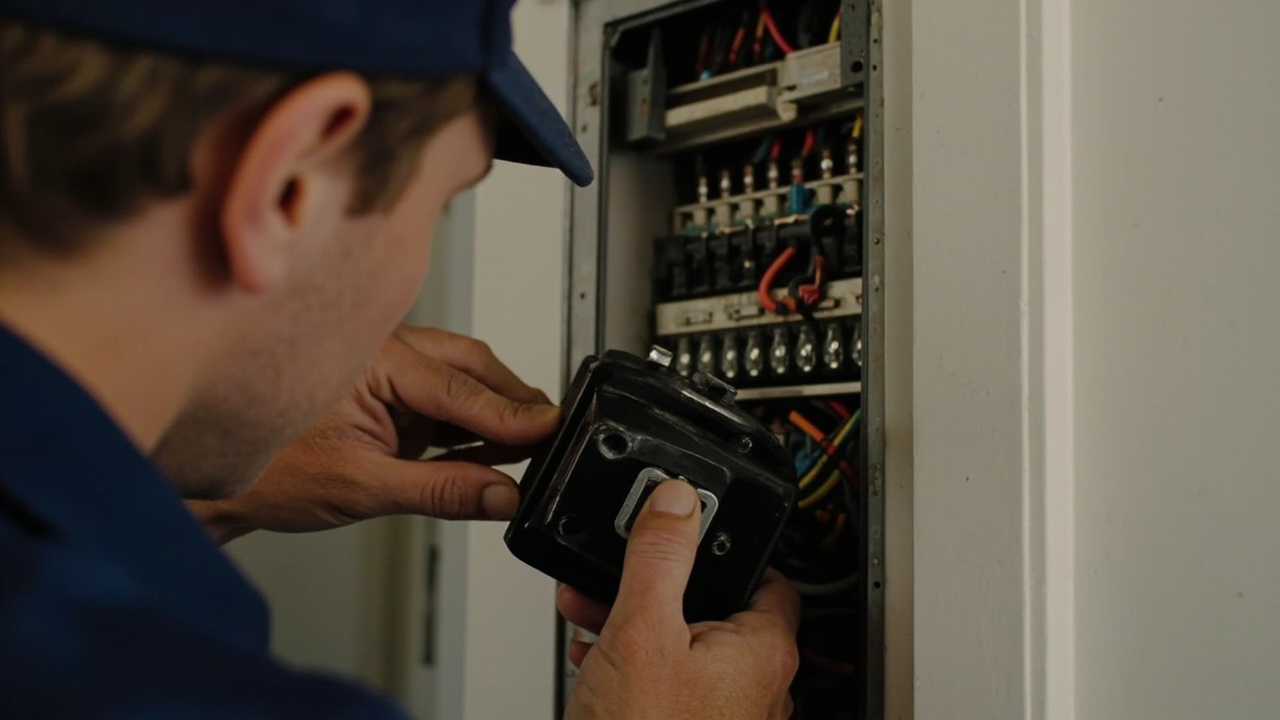
The fuse box in your basement or garage likely dates to when your home was built. Many Carthay Circle residences still have their original 60-amp service panels. Compare that to modern homes which typically have 200-amp service. This is not just a small difference. It is a massive gap in electrical capacity.. Read more about The electrical upgrades you need before installing a heat pump water heater in Highland Park.
Older electrical systems use fuses instead of circuit breakers. Fuses contain a metal strip that melts when too much current flows through it. This breaks the circuit and stops the flow of electricity. It is a safety feature but also a limitation. When your system was designed it assumed certain power usage patterns. Today those patterns have changed dramatically.. Read more about Stop Tripping Your Breaker Every Time You Use the Hair Dryer in Your Westwood Apartment.
Consider what has happened in the past 70 years. Air conditioning became standard. Home offices with computers and printers became common. Kitchens gained microwaves toaster ovens and espresso machines. Entertainment systems grew from one TV to multiple screens with surround sound. Each of these devices draws power. When you combine them all on circuits designed for much lighter loads you create exactly the conditions that cause fuses to blow.
Common symptoms of electrical overload in vintage wiring
How do you know if your electrical system is struggling. Here are the warning signs that indicate your vintage wiring cannot keep up with modern demands.. Read more about Essential electrical safety upgrades for seniors aging in place in their San Pedro homes.
- Fuses blow repeatedly in the same circuit
- Lights dim when major appliances turn on
- Outlets feel warm to the touch
- You hear buzzing sounds from outlets or switches
- Appliances do not run at full power
- You rely on multiple extension cords throughout your home
These symptoms are not random. They are your electrical system telling you it cannot handle the load. When fuses blow frequently it is not because they are defective. It is because they are doing exactly what they were designed to do. They are protecting your home from overheating wiring that could cause fires.
In Carthay Circle many homes share similar electrical challenges. The neighborhood developed in the 1920s and 1930s when electrical codes were much less stringent than today. Your home might still have some of the original wiring hidden behind walls. This wiring was designed for a different era of power consumption.
Step by step how to safely identify and replace a blown fuse
Before we discuss solutions let us cover the basics of fuse replacement. This knowledge helps you handle immediate problems while you plan for long term upgrades.
- Turn off the main power
Locate your main disconnect switch. This cuts power to the entire panel. Never work on a live electrical panel.
- Identify the blown fuse
Look for a fuse with a broken metal strip visible through the glass. The glass might appear cloudy or blackened.
- Determine the correct replacement
Check the amp rating marked on the fuse base. Common sizes are 15 20 and 30 amps. Do not guess.
- Replace with the exact same type
Never use a higher amp fuse than what was originally installed. This creates a fire hazard.
- Test the circuit
After replacement turn the main power back on and test the circuit carefully.
Understanding fuse types helps you choose the right replacement. Older homes often have Edison base fuses which screw in like light bulbs. These are being phased out because they can be easily replaced with higher amp fuses creating safety hazards. Type S fuses have a rejection feature that only allows the correct amperage to be installed.
Some vintage electrical panels use cartridge fuses for main power. These pull out as a block and contain multiple fuses. Always handle these with care and never force them.

The hidden dangers of pennying or oversizing fuses
Here is where many homeowners make dangerous mistakes. When a fuse blows repeatedly some people try to solve the problem by putting a penny behind the fuse or installing a higher amp fuse. This seems like a quick fix but it creates serious fire hazards.. Read more about What every owner of a Spanish Colonial Revival in Los Feliz needs to know about rewiring.
Undersized wiring cannot handle the current that a larger fuse allows to flow. The wiring overheats. Insulation melts. This creates exactly the conditions that cause electrical fires. The fuse was doing its job by blowing. By bypassing it you remove a critical safety device.
This practice became so common that electrical codes now require Type S tamper proof fuses in many jurisdictions. These fuses cannot be easily replaced with higher amp versions. They protect against exactly this type of dangerous modification.
In older Carthay Circle homes this is especially concerning. The original wiring might be 60 or even 50 years old. The insulation on this wiring degrades over time. It becomes brittle and loses its ability to safely contain heat. Adding more current flow through this aging wiring is asking for trouble.
Beyond the fuse when it is time for a panel upgrade
Replacing fuses is a temporary solution. If your electrical system is constantly failing you need to consider a more comprehensive upgrade. This is not just about convenience. It is about safety and meeting modern electrical codes.
A panel upgrade means replacing your entire fuse box with a modern circuit breaker panel. This upgrade typically includes increasing your service capacity from 60 amps to 200 amps. The benefits go beyond just not having to buy fuses anymore.
Modern circuit breakers respond faster to overloads than fuses. They provide better protection against short circuits and ground faults. They also include space for new circuits as your electrical needs grow. If you plan to add central air conditioning an electric vehicle charger or a home workshop you will need this additional capacity.
The upgrade process involves more than just swapping boxes. It requires replacing the main service cable from your utility connection. It means installing new grounding systems that meet current code requirements. It might also involve replacing some of the older wiring in your home especially if it shows signs of deterioration.
In Los Angeles this type of work requires permits from the Department of Building and Safety. Your utility company must also approve the upgrade. This ensures the work meets all safety standards and will not create problems for your neighbors or the electrical grid.
Why Los Angeles building codes matter for your old house
California has some of the strictest electrical codes in the country. These codes exist to protect you and your neighbors from fire and electrical hazards. When you upgrade your electrical system you must comply with current Title 24 energy efficiency standards.
These standards require things like GFCI protection in kitchens and bathrooms arc fault circuit interrupters in bedrooms and proper grounding for all circuits. Your vintage home likely has none of these features. Adding them during an upgrade makes your home much safer.. Read more about Why your bedroom outlets keep tripping even when you aren’t using them (Understanding AFCI Breakers).
The Los Angeles Department of Water and Power and Southern California Edison have specific requirements for service upgrades. They need to inspect the work before restoring power. This ensures your new system will not overload the neighborhood grid.
In historic districts like parts of Carthay Circle there might be additional considerations. While you can upgrade your electrical system you need to maintain the exterior appearance of your home. This means hiding new equipment and using period appropriate fixtures where visible.
Fire safety risks associated with aging insulation
Electrical fires are a real concern in older homes. The National Fire Protection Association reports that electrical failures or malfunctions were factors in an estimated 13 percent of home structure fires from 2015 to 2019. Many of these fires occurred in homes with aging electrical systems.
The insulation on older wiring breaks down over time. Heat from normal operation combined with environmental factors causes this degradation. Once the insulation fails wires can arc. Arcing creates intense heat that can ignite nearby materials.. Read more about Why rodents love chewing your wires and what it means for your West Adams home.
Modern wiring includes features that prevent these problems. Thermoplastic insulation resists heat better than older rubber or cloth insulation. Modern connections are designed to prevent loosening which can cause arcing. Ground fault protection can detect dangerous current leaks before they cause fires.
During a panel upgrade a qualified electrician will inspect your existing wiring. They will identify any hazardous conditions and recommend replacements. This inspection alone might be worth the cost of the upgrade.
Cost benefit analysis of fuse box to circuit breaker panel upgrades
Upgrading your electrical system is an investment. The cost varies based on your home’s specific needs but typically ranges from $2000 to $4000 for a basic panel upgrade. This might seem expensive but consider the benefits.
You eliminate the inconvenience of blown fuses. You gain the capacity for modern appliances and devices. You improve your home’s safety. You increase your property value. You ensure compliance with insurance requirements.
Insurance companies often charge higher premiums or refuse coverage for homes with known electrical hazards. A modern electrical system can actually save you money on insurance over time. Some companies offer discounts for homes with updated electrical systems.
If you are planning other home improvements like a kitchen remodel or room addition the electrical upgrade becomes even more cost effective. You can combine the work and save on labor costs.
The process of upgrading to a 200 amp service panel in LA
Understanding what happens during an electrical upgrade helps you prepare. The process typically follows these steps.
First your electrician will evaluate your current system. They will check your existing wiring load requirements and service capacity. They will identify any immediate safety concerns.
Next they will pull permits from the City of Los Angeles. This ensures the work meets all code requirements. You cannot legally perform this work without proper permits.
The actual upgrade involves several steps. Your electrician will disconnect power from the utility. They will remove your old fuse box. They will install the new breaker panel with proper grounding. They will run new service conductors if needed.
After installation your electrician will coordinate inspections with the city and your utility company. Only after passing these inspections will power be restored. This process typically takes one to three days depending on your home’s complexity.
During the upgrade you will be without power. Plan accordingly. Most families arrange to stay elsewhere or use battery powered lights and keep refrigerator contents in coolers.
Modern electrical needs for LA homes
Today’s electrical demands continue to grow. Electric vehicles are becoming common. Home battery systems for solar power need dedicated circuits. Smart home devices draw constant low level power.
Your upgraded electrical system needs to accommodate these future needs. A 200 amp panel gives you room to grow. It provides circuits for dedicated appliances like electric car chargers which often need 50 amp dedicated circuits.
In Los Angeles where air conditioning is essential for much of the year your electrical system needs to handle the load of central AC units. These can draw 30 amps or more when running. Add this to your normal household load and you see why older 60 amp systems struggle.
The mild climate in coastal areas like Carthay Circle can be deceptive. While you might not need heat in winter your summer cooling needs can be substantial. Modern heat pump systems which provide both heating and cooling are also significant power users.
Finding the right electrician for your vintage LA home
Not all electricians have experience with older homes. Your Carthay Circle residence needs someone who understands both vintage construction and modern code requirements. Look for a licensed electrical contractor with specific experience in historical home upgrades.
Ask about their experience with similar homes in your area. Request references from other vintage home owners. Verify their license and insurance through the California State License Board.
A qualified electrician will not just replace your panel. They will evaluate your entire electrical system. They will identify potential hazards. They will recommend solutions that preserve your home’s character while meeting modern needs.
The right professional will also understand the permitting process in Los Angeles. They will handle the paperwork and coordinate inspections. This saves you time and ensures the work is done correctly.
Maintaining your upgraded electrical system
After upgrading your electrical system you still need to maintain it. Regular inspections can identify problems before they become serious. Look for signs of trouble like warm outlets flickering lights or burning smells.. Read more about The Real Reason Your Echo Park Bungalow Smells Like Burning Plastic.
Test your GFCI and AFCI breakers monthly. These safety devices can fail over time. Most have test buttons that simulate a fault condition. If they do not trip when tested they need replacement.
Keep your electrical panel accessible. Do not store items in front of it. Make sure the cover remains closed. Label all circuits clearly so you know what each breaker controls.
If you experience repeated breaker trips after your upgrade it might indicate a problem with a specific circuit or appliance. Do not ignore these warning signs. They often indicate developing issues that need professional attention.
Energy efficiency and your electrical upgrade
Your electrical upgrade can also improve your home’s energy efficiency. Modern electrical systems lose less power to heat and resistance. Proper grounding can reduce electrical noise that interferes with electronics.
When upgrading consider adding whole house surge protection. This protects your valuable electronics from power surges which are common in Los Angeles due to both lightning strikes and utility grid switching.
If you have or plan to install solar panels your new electrical panel needs to accommodate a back feed from solar inverters. This requires specific breaker configurations and sometimes a main breaker upgrade even if your ampacity seems sufficient.
Energy efficient lighting and appliances can reduce your electrical load. After upgrading your system consider replacing older devices with more efficient models. This can offset the increased capacity you now have available.
The value of professional electrical work
Electrical work is not a DIY project. The dangers are real. Electrical shock can be fatal. Improper wiring can cause fires that destroy homes and lives. The cost savings of DIY electrical work pale compared to the potential consequences.
Professional electricians understand the National Electrical Code. They know local amendments specific to Los Angeles. They have the proper tools and testing equipment. They carry insurance that protects you if something goes wrong.
When you hire a professional you get more than just labor. You get their expertise in troubleshooting. You get their knowledge of code compliant solutions. You get the peace of mind that comes from knowing the work meets all safety standards.
In historic neighborhoods like Carthay Circle this expertise is especially valuable. A professional who understands older construction methods can find solutions that preserve your home’s character while meeting modern needs.
Preparing for your electrical upgrade
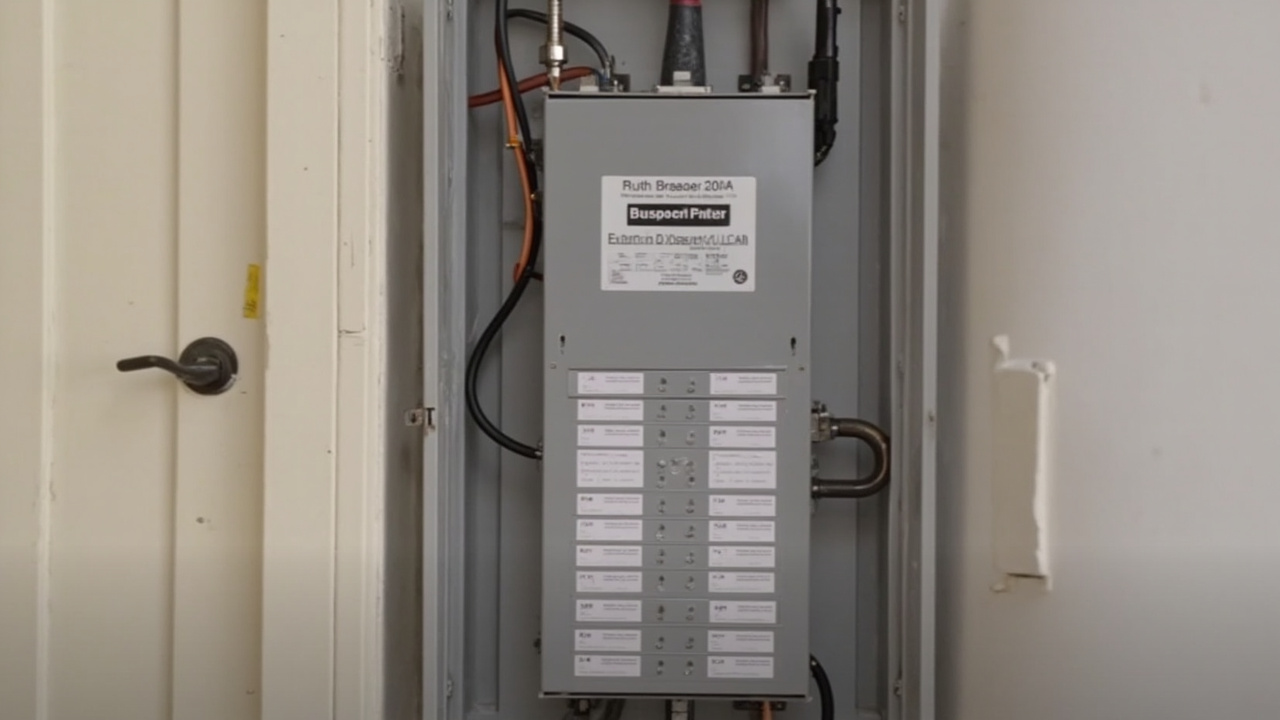
Before your electrician arrives there are steps you can take to prepare. Clear the area around your electrical panel. Move furniture and stored items to provide easy access. If your panel is in a closet remove the contents.
Plan for the power outage. Charge devices you will need during the work. Consider what you will do for food since you will not have refrigerator access. If you work from home arrange alternative workspace.
Discuss the project timeline with your electrician. Understand how long you will be without power. Ask about any preparation they need from you. Good communication prevents surprises.
If you live in a multi unit building coordinate with neighbors if needed. Some buildings share electrical service in ways that affect multiple units during upgrades.
Finally review the scope of work in writing. Understand what is included and what might be additional cost. Ask about warranties on both parts and labor. A reputable contractor will provide clear documentation.
Living with your upgraded electrical system
After your upgrade you will notice immediate improvements. No more hunting for fuses. No more unexpected power outages. Your electrical system will handle modern loads without complaint.
Take time to learn your new breaker panel. Understand which circuits control which areas of your home. Test all breakers to ensure they function properly. Keep the panel schedule updated if you add circuits later.
Enjoy the new capabilities your upgraded system provides. Add that home theater system. Install that workshop equipment. Get that electric vehicle charger. Your electrical system can now handle these modern conveniences safely.
Remember that your electrical system is now a selling point for your home. When you eventually sell buyers will appreciate the upgraded electrical service. It is one less thing they need to worry about and can justify a higher asking price.
Frequently Asked Questions
Why do fuses blow in older homes?
Fuses blow when electrical circuits draw more current than the fuse rating allows. In older homes this happens because modern devices and appliances create power demands that exceed what the original electrical system was designed to handle.
Is it dangerous to keep using fuses in my home?
Not necessarily. Fuses can still work safely if the electrical system is properly sized for your needs. However if you constantly replace blown fuses it indicates your system is undersized for modern electrical demands which creates safety hazards.
How much does it cost to upgrade from fuses to circuit breakers?
A basic panel upgrade typically costs between $2000 and $4000 depending on your home’s specific needs. This includes the new panel installation and basic wiring updates but might not include extensive rewiring if your existing wiring is in poor condition.
Do I need permits to upgrade my electrical panel?
Yes. In Los Angeles you must obtain permits from the Department of Building and Safety before upgrading your electrical panel. Your utility company also needs to inspect and approve the work before restoring power.
How long does an electrical panel upgrade take?
Most panel upgrades take one to three days. This includes removing the old panel installing the new one and passing required inspections. You will be without power during most of this time.
Can I upgrade just part of my electrical system?
You can add individual circuits to handle specific needs but if your main panel is undersized or in poor condition a full upgrade is usually more cost effective and provides better long term reliability.
What is the difference between 60 amp and 200 amp service?
60 amp service was standard in homes built before 1960 and can handle basic lighting and small appliances. 200 amp service is the modern standard and can power central air conditioning home offices workshops and multiple modern devices simultaneously.
Take the next step toward electrical safety
Your vintage Carthay Circle home deserves an electrical system that matches its charm with modern safety and reliability. If you are tired of blown fuses flickering lights or worrying about electrical hazards it is time to consider an upgrade.
Professional electricians in Los Angeles understand the unique challenges of older homes. They can evaluate your current system identify hazards and recommend solutions that preserve your home’s character while meeting modern needs.
Do not wait for an electrical problem to become an emergency. Contact a licensed electrical contractor today for an evaluation. Your home your family and your peace of mind are worth the investment in a safe reliable electrical system.
Ready to stop dealing with blown fuses and start enjoying reliable power? Schedule your electrical evaluation now and take the first step toward a safer more capable electrical system for your historic Los Angeles home.
{
“@context”: “https://schema.org”,
“@type”: “BlogPosting”,
“headline”: “Why your historic Carthay Circle home keeps blowing fuses (and how to modernize safely)”,
“description”: “Is your vintage Carthay Circle home struggling with blown fuses? Learn why older LA electrical systems fail and how to upgrade safely for modern power demands.”,
“wordCount”: 3340,
“datePublished”: “2026-05-10T13:41:00.000Z”,
“dateModified”: “2026-05-10T13:41:00.000Z”,
“inLanguage”: “en-US”,
“mainEntityOfPage”: {
“@type”: “WebPage”,
“@id”: “https://eliteelectricianslosangeles.com”
},
“publisher”: {
“@type”: “LocalBusiness”,
“name”: “Elite Electricians Los Angeles”,
“url”: “https://eliteelectricianslosangeles.com”
},
“author”: {
“@type”: “Organization”,
“name”: “Elite Electricians Los Angeles”,
“url”: “https://eliteelectricianslosangeles.com”
},
“image”: {
“@type”: “ImageObject”,
“url”: “https://eliteelectricianslosangeles.com/wp-content/uploads/2026/03/why-your-historic-carthay-circle-home-keeps-blowin-1.jpg”
}
}
{
“@context”: “https://schema.org”,
“@type”: “Electrician”,
“name”: “Elite Electricians Los Angeles”,
“url”: “https://eliteelectricianslosangeles.com”,
“address”: {
“@type”: “PostalAddress”,
“addressLocality”: “Los Angeles”
},
“areaServed”: {
“@type”: “City”,
“name”: “Los Angeles”
}
}
{
“@context”: “https://schema.org”,
“@type”: “FAQPage”,
“mainEntity”: [
{
“@type”: “Question”,
“name”: “Why do fuses blow in older homes?”,
“acceptedAnswer”: {
“@type”: “Answer”,
“text”: “Fuses blow when electrical circuits draw more current than the fuse rating allows. In older homes this happens because modern devices and appliances create power demands that exceed what the original electrical system was designed to handle.”
}
},
{
“@type”: “Question”,
“name”: “Is it dangerous to keep using fuses in my home?”,
“acceptedAnswer”: {
“@type”: “Answer”,
“text”: “Not necessarily. Fuses can still work safely if the electrical system is properly sized for your needs. However if you constantly replace blown fuses it indicates your system is undersized for modern electrical demands which creates safety hazards.”
}
},
{
“@type”: “Question”,
“name”: “How much does it cost to upgrade from fuses to circuit breakers?”,
“acceptedAnswer”: {
“@type”: “Answer”,
“text”: “A basic panel upgrade typically costs between $2000 and $4000 depending on your home’s specific needs. This includes the new panel installation and basic wiring updates but might not include extensive rewiring if your existing wiring is in poor condition.”
}
},
{
“@type”: “Question”,
“name”: “Do I need permits to upgrade my electrical panel?”,
“acceptedAnswer”: {
“@type”: “Answer”,
“text”: “Yes. In Los Angeles you must obtain permits from the Department of Building and Safety before upgrading your electrical panel. Your utility company also needs to inspect and approve the work before restoring power.”
}
},
{
“@type”: “Question”,
“name”: “How long does an electrical panel upgrade take?”,
“acceptedAnswer”: {
“@type”: “Answer”,
“text”: “Most panel upgrades take one to three days. This includes removing the old panel installing the new one and passing required inspections. You will be without power during most of this time.”
}
},
{
“@type”: “Question”,
“name”: “Can I upgrade just part of my electrical system?”,
“acceptedAnswer”: {
“@type”: “Answer”,
“text”: “You can add individual circuits to handle specific needs but if your main panel is undersized or in poor condition a full upgrade is usually more cost effective and provides better long term reliability.”
}
},
{
“@type”: “Question”,
“name”: “What is the difference between 60 amp and 200 amp service?”,
“acceptedAnswer”: {
“@type”: “Answer”,
“text”: “60 amp service was standard in homes built before 1960 and can handle basic lighting and small appliances. 200 amp service is the modern standard and can power central air conditioning home offices workshops and multiple modern devices simultaneously.”
}
}
]
}
{
“@context”: “https://schema.org”,
“@type”: “HowTo”,
“name”: “How to Replace a Blown Fuse”,
“step”: [
{
“@type”: “HowToStep”,
“position”: 1,
“name”: “Turn off the main power”,
“text”: “Locate your main disconnect switch. This cuts power to the entire panel. Never work on a live electrical panel.”
},
{
“@type”: “HowToStep”,
“position”: 2,
“name”: “Identify the blown fuse”,
“text”: “Look for a fuse with a broken metal strip visible through the glass. The glass might appear cloudy or blackened.”
},
{
“@type”: “HowToStep”,
“position”: 3,
“name”: “Determine the correct replacement”,
“text”: “Check the amp rating marked on the fuse base. Common sizes are 15 20 and 30 amps. Do not guess.”
},
{
“@type”: “HowToStep”,
“position”: 4,
“name”: “Replace with the exact same type”,
“text”: “Never use a higher amp fuse than what was originally installed. This creates a fire hazard.”
},
{
“@type”: “HowToStep”,
“position”: 5,
“name”: “Test the circuit”,
“text”: “After replacement turn the main power back on and test the circuit carefully.”
}
],
“image”: “https://eliteelectricianslosangeles.com/wp-content/uploads/2026/03/why-your-historic-carthay-circle-home-keeps-blowin-1.jpg”
}
{
“@context”: “https://schema.org”,
“@type”: “BreadcrumbList”,
“itemListElement”: [
{
“@type”: “ListItem”,
“position”: 1,
“name”: “Home”,
“item”: “https://eliteelectricianslosangeles.com”
},
{
“@type”: “ListItem”,
“position”: 2,
“name”: “Blog”,
“item”: “https://eliteelectricianslosangeles.com/blog”
},
{
“@type”: “ListItem”,
“position”: 3,
“name”: “Why your historic Carthay Circle home keeps blowing fuses (and how to modernize safely)”
}
]
}
{
“@context”: “https://schema.org”,
“@type”: “Service”,
“serviceType”: “Electricians”,
“provider”: {
“@type”: “LocalBusiness”,
“name”: “Elite Electricians Los Angeles”,
“url”: “https://eliteelectricianslosangeles.com”
},
“areaServed”: {
“@type”: “City”,
“name”: “Los Angeles”
},
“description”: “Is your vintage Carthay Circle home struggling with blown fuses? Learn why older LA electrical systems fail and how to upgrade safely for modern power demands.”
}