
What every owner of a Spanish Colonial Revival in Los Feliz needs to know about rewiring
Owning a Spanish Colonial Revival home in Los Feliz means living in a piece of Los Angeles history. These homes built in the 1920s and 1930s feature beautiful arched windows, red tile roofs, and intricate plasterwork. They also come with electrical systems that have reached the end of their useful life. The original wiring simply cannot handle today’s power demands from air conditioning, home offices, and modern appliances. Los Angeles Department of Building and Safety.
The electrical systems in these historic homes typically use cloth-covered wiring and lack proper grounding. Many still have fuse boxes instead of modern circuit breakers. This creates serious safety hazards including fire risks and shock dangers. Understanding what rewiring involves helps you make informed decisions about your home’s electrical future. Safely Wiring Your New Pool or Hot Tub in Encino.
Los Feliz sits in an area with strict building codes and historic preservation rules. The Los Angeles Department of Building and Safety requires permits for all electrical work. If your home sits in a Historic Preservation Overlay Zone you will need additional approvals before any work begins. These regulations exist to protect both the safety of residents and the architectural integrity of these special homes. Los Angeles Historic Preservation.
The rewiring process for Spanish Colonial Revival homes requires special care. These houses feature thick plaster walls, decorative ceiling beams, and custom tile work. Running new wires means working around these features without causing damage. Many contractors lack experience with these specific challenges. Finding the right electrician makes all the difference between a smooth project and a costly disaster. Finding an Emergency Electrician in Silver Lake Who Actually Answers the Phone.
Modern electrical needs go far beyond what these homes were designed to handle. Today’s families use multiple devices simultaneously, run central air conditioning, and often have home offices. The original 60-amp service common in these homes simply cannot support this load. Upgrading to 200-amp service becomes necessary for most households. This upgrade alone can take several days to complete. Upgrading your Beverly Hills estate to a 400 amp electrical service.
The cost of rewiring a Spanish Colonial Revival in Los Feliz varies based on several factors. Square footage plays a major role since more wall space means more wire to run. The condition of existing wiring affects labor time. Homes with accessible attics or crawl spaces cost less to rewire than those requiring extensive wall cutting. Most homeowners spend between $15,000 and $30,000 for a complete rewire depending on home size and complexity.
Understanding the timeline helps with planning. A full rewire typically takes one to two weeks for an average sized home. This includes removing old wiring, installing new circuits, adding outlets and switches, and final inspections. Living in the home during work creates challenges. You will lose power to sections of the house at different times. Many families choose to stay elsewhere during major electrical work. Installing a backup generator for your Hollywood Hills home before the next outage.
Safety should be your top priority. Old wiring poses fire hazards and can cause electrical shocks. Insurance companies often raise rates or cancel policies for homes with known electrical hazards. Some lenders require electrical upgrades before approving home loans. The peace of mind from a safe, modern electrical system far outweighs the temporary inconvenience of the rewiring process. Electrical Inglewood.
Energy efficiency represents another benefit of rewiring. Modern wiring reduces power loss and allows for energy-saving devices. LED lighting, smart thermostats, and efficient appliances all work better with proper electrical systems. Many homeowners see reduced utility bills after completing electrical upgrades.. Read more about The electrical upgrades you need before installing a heat pump water heater in Highland Park.
The permitting process in Los Angeles requires patience. You must submit detailed plans showing all proposed work. The city reviews these for code compliance. Historic homes may need approval from the Cultural Heritage Commission. This process can take several weeks. Working with an electrician familiar with Los Angeles permitting speeds up approval.
Choosing the right contractor matters more than finding the lowest price. Spanish Colonial Revival homes need electricians who understand plaster repair, tile work protection, and historic preservation. Ask potential contractors about their experience with similar homes in Los Feliz. Request references from past clients. Verify their California C-10 electrical license and insurance coverage.
Communication throughout the project prevents misunderstandings. Good electricians explain their work plan, timeline, and any issues that arise. They protect your home’s historic features during construction. They clean up thoroughly after completing work. They also handle final inspections and provide warranty documentation.. Read more about What to look for on a home inspection report before buying a mid-century home in View Park.
Modern conveniences can be added during rewiring. Many homeowners install whole-house surge protection, dedicated circuits for computers and entertainment systems, and extra outlets in convenient locations. Some add smart home wiring for future automation. Planning these additions during the initial rewire saves money compared to retrofitting later.. Read more about Why modern smart dimmers often flicker in older homes across Mid-Wilshire.
The electrical code continues to evolve. Current requirements include arc-fault circuit interrupters in bedrooms and ground-fault protection in kitchens and bathrooms. Your rewire must meet these current standards. The National Electrical Code gets updated every three years. Los Angeles may adopt new versions on a different schedule than the rest of California. National Electrical Code.
Weather in Los Angeles affects electrical work. Summer heat waves can make attic work dangerous. The Santa Ana winds that sweep through Los Feliz can cause power surges. Your new system should include surge protection to guard against these events. Proper grounding becomes even more critical in areas prone to electrical storms.
Historic preservation societies in Los Feliz often have resources for homeowners. They can recommend contractors with experience in historic homes. They may know about grants or tax incentives for preserving historic properties. Some organizations offer workshops on maintaining historic homes including electrical systems.
Insurance considerations extend beyond basic coverage. Some companies offer discounts for homes with modern electrical systems. Others require documentation of electrical upgrades before providing coverage. Your insurance agent can advise about specific requirements for historic homes in Los Angeles.
The resale value of your home may increase after rewiring. Buyers feel more confident purchasing homes with modern electrical systems. They know they will not face immediate electrical problems. Some real estate agents recommend highlighting electrical upgrades when marketing historic homes.
Planning for future needs makes sense during rewiring. Consider adding extra capacity for planned additions or renovations. Think about electric vehicle charging stations. Plan for potential solar panel installation. Running extra conduit during the initial rewire costs much less than adding it later.
Living in a historic home means balancing preservation with modern needs. Your Spanish Colonial Revival deserves careful treatment during electrical work. The right approach protects your home’s character while providing safe, reliable power for today’s lifestyle. With proper planning and execution, rewiring becomes an investment in your home’s future rather than just a necessary repair.
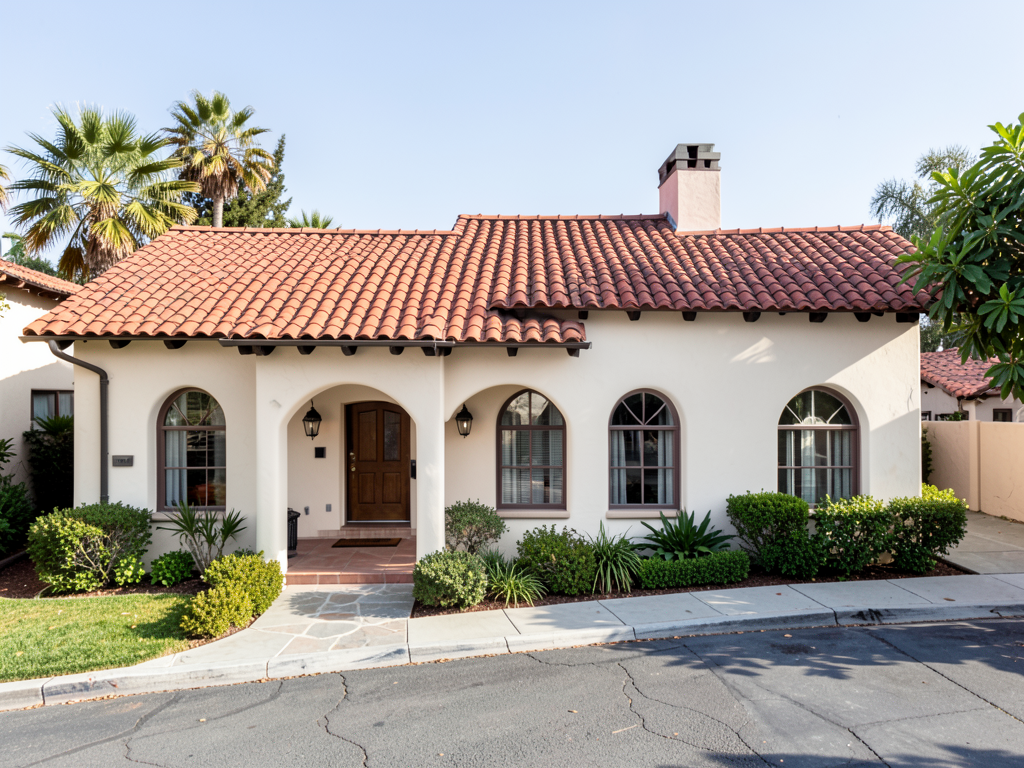
Key Considerations for Spanish Colonial Revival Rewiring
Spanish Colonial Revival homes in Los Feliz present unique challenges for electrical work. These houses typically feature thick plaster walls, decorative ceiling beams, and custom tile work that require special handling during rewiring. The original construction methods differ significantly from modern building techniques, affecting how new wiring must be installed.
Many of these homes have knob-and-tube wiring, a system common in the 1920s and 1930s. This wiring lacks grounding and uses cloth insulation that deteriorates over time. The ceramic knobs that support the wires can break, causing wires to sag and potentially touch wood framing. This creates serious fire hazards that require immediate attention.
The electrical panels in these historic homes often cannot support modern electrical loads. A typical Spanish Colonial Revival might have a 60-amp fuse box, while modern homes need at least 200 amps. Upgrading the electrical service becomes necessary when adding central air conditioning, electric vehicle chargers, or multiple home office setups.
Los Angeles building codes require permits for all electrical work. The city’s Department of Building and Safety reviews plans to ensure compliance with current safety standards. Homes in Historic Preservation Overlay Zones need additional approvals to ensure work does not damage historic features.
The rewiring process must preserve original architectural details. This means avoiding damage to decorative ceiling medallions, preserving crown molding, and protecting hand-troweled plaster walls. Experienced contractors use specialized techniques like surface-mounted conduit in visible areas or fishing wires through existing wall cavities.
Modern electrical systems offer features that improve safety and convenience. Ground fault circuit interrupters protect against shock in wet areas. Arc fault breakers prevent fires caused by damaged wiring. Whole-house surge protection guards against power spikes from lightning or utility grid problems.
Energy efficiency improves with modern wiring. LED lighting, smart thermostats, and efficient appliances all work better with properly sized circuits. Many homeowners see reduced electricity bills after completing electrical upgrades. The initial investment often pays for itself through improved efficiency and avoided repair costs.
Insurance companies view updated electrical systems favorably. Some offer premium discounts for homes with modern wiring. Others require documentation of electrical upgrades before providing coverage. This becomes especially important for historic homes that might otherwise face higher insurance rates.
The timeline for rewiring varies based on home size and complexity. Most projects take one to two weeks for complete rewiring. This includes removing old wiring, installing new circuits, adding outlets and switches, and passing final inspections. Living in the home during work creates challenges but many homeowners choose to stay.
Cost factors include square footage, existing wiring condition, and accessibility. Homes with accessible attics or crawl spaces cost less to rewire than those requiring extensive wall cutting. Most homeowners spend between $15,000 and $30,000 for complete rewiring depending on home size and complexity.
Choosing the right contractor makes a significant difference. Spanish Colonial Revival homes need electricians who understand plaster repair, tile work protection, and historic preservation. Ask potential contractors about their experience with similar homes in Los Feliz. Request references from past clients and verify their California C-10 electrical license.
Communication throughout the project prevents misunderstandings. Good electricians explain their work plan, timeline, and any issues that arise. They protect your home’s historic features during construction. They clean up thoroughly after completing work and provide warranty documentation.
Modern conveniences can be added during rewiring. Many homeowners install whole-house surge protection, dedicated circuits for computers and entertainment systems, and extra outlets in convenient locations. Some add smart home wiring for future automation. Planning these additions during the initial rewire saves money compared to retrofitting later.
The electrical code continues to evolve with new safety requirements. Current standards include arc-fault circuit interrupters in bedrooms and ground-fault protection in kitchens and bathrooms. Your rewire must meet these current standards to pass inspection and ensure safety.
Weather in Los Angeles affects electrical work. Summer heat waves can make attic work dangerous. The Santa Ana winds that sweep through Los Feliz can cause power surges. Your new system should include surge protection to guard against these events. Proper grounding becomes even more critical in areas prone to electrical storms.
Historic preservation societies in Los Feliz often have resources for homeowners. They can recommend contractors with experience in historic homes. They may know about grants or tax incentives for preserving historic properties. Some organizations offer workshops on maintaining historic homes including electrical systems.
Planning for future needs makes sense during rewiring. Consider adding extra capacity for planned additions or renovations. Think about electric vehicle charging stations. Plan for potential solar panel installation. Running extra conduit during the initial rewire costs much less than adding it later.
Living in a historic home means balancing preservation with modern needs. Your Spanish Colonial Revival deserves careful treatment during electrical work. The right approach protects your home’s character while providing safe, reliable power for today’s lifestyle. With proper planning and execution, rewiring becomes an investment in your home’s future rather than just a necessary repair.
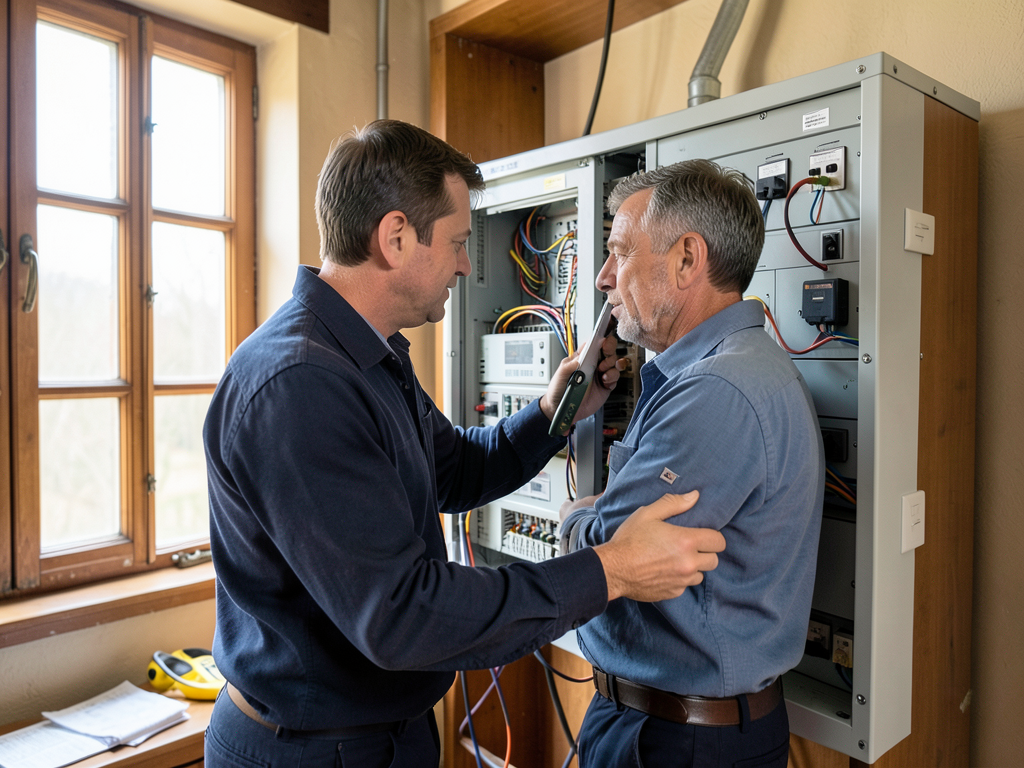
Understanding the Rewiring Process
The rewiring process for Spanish Colonial Revival homes follows specific steps to ensure safety and preserve historic features. Understanding this process helps homeowners prepare for the work ahead and know what to expect at each stage.
Initial assessment begins with a thorough inspection of existing electrical systems. Electricians examine wiring types, panel capacity, and circuit distribution. They identify safety hazards like exposed wiring, overloaded circuits, or outdated components. This assessment determines the scope of work needed.
Permit applications require detailed plans showing all proposed electrical work. Los Angeles requires these permits to ensure work meets current safety codes. The review process can take several weeks, especially for homes in Historic Preservation Overlay Zones. Your contractor should handle permit applications as part of their service.
Preparation involves protecting your home’s historic features. Contractors cover floors, protect furniture, and create containment areas to control dust. For Spanish Colonial Revival homes, special care goes into protecting decorative plasterwork, tile floors, and wooden beams. Some contractors build temporary walls to isolate work areas.
Power shutdown planning becomes crucial for occupied homes. Work typically proceeds room by room, maintaining power in living areas as long as possible. Contractors coordinate shutdowns with homeowners to minimize disruption. Some families choose to stay elsewhere during major electrical work to avoid inconvenience.
Wiring removal starts with disconnecting old circuits. Contractors carefully remove knob-and-tube wiring, old cables, and outdated panels. They document the original wiring layout, which sometimes reveals interesting historical details about how the home was originally wired.
New wiring installation follows specific paths to minimize damage to historic features. Electricians often use existing wall cavities when possible. They may run surface-mounted conduit in visible areas to avoid cutting into decorative plaster. The goal is making new wiring as invisible as possible while maintaining easy access for future maintenance.
Panel upgrades typically involve replacing old fuse boxes with modern circuit breaker panels. This upgrade increases capacity from 60 amps to 200 amps or more. The new panel must meet current code requirements for your home’s electrical load. This often becomes the most expensive single component of the rewiring project.
Outlet and switch installation places modern conveniences where needed while respecting the home’s historic character. Some homeowners choose period-appropriate switch plates and outlet covers. Others prefer modern designs that contrast with historic surroundings. Both approaches work well when executed thoughtfully.
Lighting upgrades during rewiring offer opportunities to improve both function and aesthetics. Many Spanish Colonial Revival homes have beautiful original light fixtures that can be rewired and preserved. New recessed lighting can be added in ways that do not damage decorative ceilings.
Grounding and bonding ensure electrical safety in your updated system. This involves connecting all metal components to create a safe path for electrical faults. Proper grounding protects against shock hazards and helps prevent damage from power surges. This step proves especially important in older homes that originally lacked grounding.
Final inspections verify that all work meets code requirements. Los Angeles inspectors check wiring methods, panel installation, and overall system safety. They ensure all required permits are posted and that work matches approved plans. Passing inspection provides assurance that your new electrical system meets current safety standards.
Clean-up and restoration return your home to livable condition. Good contractors repair any damage caused during work, whether to walls, floors, or historic features. They remove all construction debris and clean thoroughly. Some even offer touch-up painting to restore walls to their original condition.
Documentation provides important records for future reference. This includes as-built drawings showing all new wiring locations, permit records, inspection reports, and warranty information. Keep these documents with your home’s other important records. They prove valuable for future renovations or when selling your home.
Testing ensures everything works correctly before project completion. Electricians check all circuits, verify proper grounding, and test safety devices like GFCI and AFCI breakers. They also verify that new circuits can handle expected loads without tripping breakers. This testing catches any issues before you resume normal use of your home.
Owner orientation teaches you about your new electrical system. Good contractors explain how to reset tripped breakers, where important components are located, and what to do in electrical emergencies. They review any special features like smart home controls or energy monitoring systems.
Follow-up service addresses any issues that arise after project completion. Quality contractors stand behind their work with warranties on both labor and materials. They remain available to answer questions or handle any problems that develop as you resume normal use of your updated electrical system.
The entire process requires patience and flexibility. Unexpected issues often arise when working in older homes. Good contractors communicate openly about any problems and work with you to find solutions that meet both safety requirements and preservation goals.
Cost Factors and Budgeting
Understanding the costs involved in rewiring a Spanish Colonial Revival helps with proper budgeting. Several factors influence the final price, and knowing these helps you plan effectively for this significant home improvement project.
Square footage serves as the primary cost determinant. Larger homes require more wiring, more outlets, and more labor hours. A 2,000 square foot home typically costs less to rewire than a 4,000 square foot home, even if both have similar electrical complexities. The relationship between size and cost is not perfectly linear due to economies of scale.
Existing wiring condition affects labor costs significantly. Homes with accessible attics or crawl spaces cost less to rewire than those requiring extensive wall cutting. If your home has a basement or easily accessible ceiling spaces, electricians can often run new wires without major demolition. This can reduce costs by thousands of dollars.
Panel upgrade requirements add substantial costs. Moving from a 60-amp fuse box to a 200-amp circuit breaker panel typically costs $2,000 to $4,000 just for the equipment and basic installation. This upgrade becomes necessary for most modern households but represents a significant portion of the total project cost.
Historic preservation requirements can increase costs in several ways. Working around decorative plaster requires more time and care than modern drywall. Some contractors charge premium rates for historic home work due to the specialized skills required. Permit fees for homes in Historic Preservation Overlay Zones often exceed standard permit costs.
Material quality choices affect both cost and longevity. Standard residential wiring costs less but may not provide the same durability as commercial-grade materials. Some homeowners choose premium outlets, switches, and lighting controls that add to the initial cost but provide better performance and longer life.
Labor rates in Los Angeles reflect the high cost of living in the area. Electricians in Los Feliz typically charge more than those in less expensive areas. This reflects both higher operating costs and the specialized skills needed for historic home work. Expect to pay 20-30% more than national averages for electrical work in Los Angeles.
Additional features increase costs but add value. Whole-house surge protection, dedicated circuits for home offices, and smart home wiring all add to the initial investment. While these features increase upfront costs, they often provide returns through improved convenience, efficiency, and home value.
Permit and inspection fees vary based on project scope. Los Angeles charges permit fees based on the estimated project value. These fees typically range from $500 to $2,000 for complete home rewiring. Additional fees apply for expedited processing or after-hours inspections.
Unexpected discoveries during work can increase costs. Hidden problems like previous unpermitted work, structural issues, or extensive damage to existing wiring may require additional repairs. Setting aside a contingency fund of 10-15% of the estimated project cost helps manage these surprises.
Insurance considerations affect both costs and requirements. Some insurance companies require electrical upgrades before providing coverage for historic homes. Others offer premium discounts for homes with modern electrical systems. Check with your insurance agent about specific requirements or potential savings.
Financing options help manage large project costs. Some contractors offer payment plans or can recommend lenders specializing in home improvement loans. Home equity loans often provide favorable terms for improvement projects that increase property value. Some utility companies offer rebates for energy-efficient electrical upgrades.
Comparing bids requires understanding what each includes. The lowest bid may not provide the best value if it cuts corners on materials or does not include necessary permits. Ask each contractor to provide detailed breakdowns showing exactly what their bid covers. This helps make apples-to-apples comparisons.
Timing affects costs in several ways. Some contractors offer off-season discounts during slower periods. Emergency work or projects requiring immediate completion typically costs more than those with flexible schedules. Planning your project during contractor slow periods might save money.
Quality of work impacts long-term costs significantly. Poor electrical work can cause fires, damage appliances, or require expensive repairs. The cheapest contractor may cost more over time if their work fails prematurely. Look for contractors who guarantee their work and have strong reputations in the Los Feliz area.
Energy efficiency improvements during rewiring can offset some costs. LED lighting, smart controls, and efficient appliances reduce electricity consumption. While these features add to initial costs, they often pay for themselves through reduced utility bills over time. Some utility rebates help offset the cost of energy-efficient upgrades.
Resale value considerations affect budgeting decisions. A modern electrical system increases home value and marketability. While this does not directly reduce your rewiring costs, it represents a return on your investment. Real estate agents often highlight updated electrical systems when marketing historic homes.
Maintenance costs after completion remain minimal for quality electrical work. Modern wiring systems typically need little attention for decades after installation. This contrasts with older systems that often require frequent repairs and adjustments. The reliability of new systems provides ongoing value beyond the initial investment.
Planning for future needs during the initial rewire saves money long-term. Running extra conduit or adding capacity for planned additions costs much less during the initial project than retrofitting later. Consider your likely future needs when planning the scope of your electrical upgrade.
DIY work is not recommended for electrical rewiring. While some homeowners tackle simple electrical projects, complete home rewiring requires professional skills, knowledge of current codes, and proper permitting. DIY electrical work can void insurance, fail inspections, and create dangerous conditions. Professional work costs more upfront but provides safety and compliance.
The investment in rewiring your Spanish Colonial Revival pays dividends through improved safety, reliability, and home value. While the upfront costs seem significant, they pale compared to the risks of maintaining outdated electrical systems. With proper planning and the right contractor, rewiring becomes an investment in your home’s future rather than just an expense.
Frequently Asked Questions
How long does it take to rewire a Spanish Colonial Revival home in Los Feliz?
Most complete rewiring projects take one to two weeks for an average sized home. This includes removing old wiring, installing new circuits, adding outlets and switches, and passing final inspections. Larger homes or those with complex historic features may require additional time. Living in the home during work creates challenges but many homeowners choose to stay.
What permits are required for electrical work in Los Angeles?
The Los Angeles Department of Building and Safety requires electrical permits for all rewiring work. These permits ensure work meets current safety codes. Homes in Historic Preservation Overlay Zones need additional approvals from the Cultural Heritage Commission. Your contractor should handle all permit applications as part of their service.
How much does rewiring a Spanish Colonial Revival cost in Los Feliz?
Most homeowners spend between $15,000 and $30,000 for complete rewiring depending on home size and complexity. Factors affecting cost include square footage, existing wiring condition, accessibility, and whether panel upgrades are needed. Historic preservation requirements may increase costs due to the specialized work required.
Can I keep my home’s original light fixtures during rewiring?
Yes, many homeowners preserve and rewire original light fixtures during the upgrade process. This maintains the historic character of your Spanish Colonial Revival while providing modern electrical safety. Your electrician can evaluate each fixture for preservation potential and handle the necessary rewiring to make them safe for modern use.
What are the signs my home needs rewiring?
Common signs include frequent circuit breaker trips, flickering lights, burning smells from outlets, discolored switch plates, and two-prong ungrounded outlets. If your home still has fuse boxes, cloth-covered wiring, or knob-and-tube wiring, replacement becomes necessary regardless of apparent function. These systems pose serious fire and safety hazards.. Read more about The Real Reason Your Echo Park Bungalow Smells Like Burning Plastic.
Will rewiring damage my home’s historic features?
Quality contractors use specialized techniques to protect historic features during rewiring. This includes fishing wires through existing wall cavities, using surface-mounted conduit in visible areas, and carefully removing and replacing decorative plaster. Ask potential contractors about their experience with historic homes and request references from similar projects in Los Feliz.
Do I need to upgrade my electrical panel during rewiring?
Most Spanish Colonial Revival homes have 60-amp service that cannot support modern electrical loads. Upgrading to 200-amp service becomes necessary for most households, especially those with air conditioning, electric vehicle chargers, or home offices. Your electrician will evaluate your current and future electrical needs to recommend appropriate panel capacity.
How can I find a qualified electrician for my historic home?
Look for electricians with experience in historic homes and specific knowledge of Spanish Colonial Revival construction. Verify their California C-10 electrical license and insurance coverage. Ask for references from similar projects in Los Feliz. The Historic Preservation Overlay Zone office may provide recommendations for qualified contractors familiar with local historic preservation requirements.
{
“@context”: “https://schema.org”,
“@type”: “BlogPosting”,
“headline”: “What every owner of a Spanish Colonial Revival in Los Feliz needs to know about rewiring”,
“description”: “Essential guide for rewiring Spanish Colonial Revival homes in Los Feliz. Learn about costs, permits, safety upgrades, and finding qualified electricians for historic properties.”,
“wordCount”: 4216,
“datePublished”: “2026-05-17T05:56:00.000Z”,
“dateModified”: “2026-05-17T05:56:00.000Z”,
“inLanguage”: “en-US”,
“mainEntityOfPage”: {
“@type”: “WebPage”,
“@id”: “https://eliteelectricianslosangeles.com”
},
“publisher”: {
“@type”: “LocalBusiness”,
“name”: “Elite Electricians Los Angeles”,
“url”: “https://eliteelectricianslosangeles.com”
},
“author”: {
“@type”: “Organization”,
“name”: “Elite Electricians Los Angeles”,
“url”: “https://eliteelectricianslosangeles.com”
},
“image”: {
“@type”: “ImageObject”,
“url”: “https://eliteelectricianslosangeles.com/wp-content/uploads/2026/03/what-every-owner-of-a-spanish-colonial-revival-in-1.png”
}
}
{
“@context”: “https://schema.org”,
“@type”: “Electrician”,
“name”: “Elite Electricians Los Angeles”,
“url”: “https://eliteelectricianslosangeles.com”,
“address”: {
“@type”: “PostalAddress”,
“addressLocality”: “Los Angeles”
},
“areaServed”: {
“@type”: “City”,
“name”: “Los Angeles”
}
}
{
“@context”: “https://schema.org”,
“@type”: “FAQPage”,
“mainEntity”: [
{
“@type”: “Question”,
“name”: “How long does it take to rewire a Spanish Colonial Revival home in Los Feliz?”,
“acceptedAnswer”: {
“@type”: “Answer”,
“text”: “Most complete rewiring projects take one to two weeks for an average sized home. This includes removing old wiring, installing new circuits, adding outlets and switches, and passing final inspections. Larger homes or those with complex historic features may require additional time. Living in the home during work creates challenges but many homeowners choose to stay.”
}
},
{
“@type”: “Question”,
“name”: “What permits are required for electrical work in Los Angeles?”,
“acceptedAnswer”: {
“@type”: “Answer”,
“text”: “The Los Angeles Department of Building and Safety requires electrical permits for all rewiring work. These permits ensure work meets current safety codes. Homes in Historic Preservation Overlay Zones need additional approvals from the Cultural Heritage Commission. Your contractor should handle all permit applications as part of their service.”
}
},
{
“@type”: “Question”,
“name”: “How much does rewiring a Spanish Colonial Revival cost in Los Feliz?”,
“acceptedAnswer”: {
“@type”: “Answer”,
“text”: “Most homeowners spend between $15,000 and $30,000 for complete rewiring depending on home size and complexity. Factors affecting cost include square footage, existing wiring condition, accessibility, and whether panel upgrades are needed. Historic preservation requirements may increase costs due to the specialized work required.”
}
},
{
“@type”: “Question”,
“name”: “Can I keep my home’s original light fixtures during rewiring?”,
“acceptedAnswer”: {
“@type”: “Answer”,
“text”: “Yes, many homeowners preserve and rewire original light fixtures during the upgrade process. This maintains the historic character of your Spanish Colonial Revival while providing modern electrical safety. Your electrician can evaluate each fixture for preservation potential and handle the necessary rewiring to make them safe for modern use.”
}
},
{
“@type”: “Question”,
“name”: “What are the signs my home needs rewiring?”,
“acceptedAnswer”: {
“@type”: “Answer”,
“text”: “Common signs include frequent circuit breaker trips, flickering lights, burning smells from outlets, discolored switch plates, and two-prong ungrounded outlets. If your home still has fuse boxes, cloth-covered wiring, or knob-and-tube wiring, replacement becomes necessary regardless of apparent function. These systems pose serious fire and safety hazards.”
}
},
{
“@type”: “Question”,
“name”: “Will rewiring damage my home’s historic features?”,
“acceptedAnswer”: {
“@type”: “Answer”,
“text”: “Quality contractors use specialized techniques to protect historic features during rewiring. This includes fishing wires through existing wall cavities, using surface-mounted conduit in visible areas, and carefully removing and replacing decorative plaster. Ask potential contractors about their experience with historic homes and request references from similar projects in Los Feliz.”
}
},
{
“@type”: “Question”,
“name”: “Do I need to upgrade my electrical panel during rewiring?”,
“acceptedAnswer”: {
“@type”: “Answer”,
“text”: “Most Spanish Colonial Revival homes have 60-amp service that cannot support modern electrical loads. Upgrading to 200-amp service becomes necessary for most households, especially those with air conditioning, electric vehicle chargers, or home offices. Your electrician will evaluate your current and future electrical needs to recommend appropriate panel capacity.”
}
},
{
“@type”: “Question”,
“name”: “How can I find a qualified electrician for my historic home?”,
“acceptedAnswer”: {
“@type”: “Answer”,
“text”: “Look for electricians with experience in historic homes and specific knowledge of Spanish Colonial Revival construction. Verify their California C-10 electrical license and insurance coverage. Ask for references from similar projects in Los Feliz. The Historic Preservation Overlay Zone office may provide recommendations for qualified contractors familiar with local historic preservation requirements.”
}
}
]
}
{
“@context”: “https://schema.org”,
“@type”: “BreadcrumbList”,
“itemListElement”: [
{
“@type”: “ListItem”,
“position”: 1,
“name”: “Home”,
“item”: “https://eliteelectricianslosangeles.com”
},
{
“@type”: “ListItem”,
“position”: 2,
“name”: “Blog”,
“item”: “https://eliteelectricianslosangeles.com/blog”
},
{
“@type”: “ListItem”,
“position”: 3,
“name”: “What every owner of a Spanish Colonial Revival in Los Feliz needs to know about rewiring”
}
]
}
{
“@context”: “https://schema.org”,
“@type”: “Service”,
“serviceType”: “Electricians”,
“provider”: {
“@type”: “LocalBusiness”,
“name”: “Elite Electricians Los Angeles”,
“url”: “https://eliteelectricianslosangeles.com”
},
“areaServed”: {
“@type”: “City”,
“name”: “Los Angeles”
},
“description”: “Essential guide for rewiring Spanish Colonial Revival homes in Los Feliz. Learn about costs, permits, safety upgrades, and finding qualified electricians for historic properties.”
}