
The pros and cons of hardwired vs wireless smart home hubs for Reseda homeowners
Smart home technology continues to evolve rapidly. Homeowners in Reseda now face a critical decision: should they invest in hardwired smart home systems or stick with wireless alternatives? Understanding the differences between these two approaches is essential for making an informed choice that fits your lifestyle and home structure.. Read more about Why modern smart dimmers often flicker in older homes across Mid-Wilshire.
Hardwired systems use physical cables to connect devices directly to a central hub. Wireless systems rely on Wi-Fi, Bluetooth, or other radio frequencies. Each approach offers distinct advantages and limitations that affect everything from installation complexity to long-term reliability.
Reseda homes present unique challenges for smart home installations. Many properties were built in the 1950s through 1970s with construction methods that make running new wiring difficult. The San Fernando Valley’s climate also creates specific environmental factors that impact system performance. Safely Wiring Your New Pool or Hot Tub in Encino.
Key differences between hardwired and wireless smart home systems
Hardwired systems transmit data through physical cables like Cat6 Ethernet or fiber optic lines. These connections offer consistent speeds and eliminate interference from other devices. Wireless systems use radio waves to communicate, which can be affected by walls, appliances, and other electronic devices.
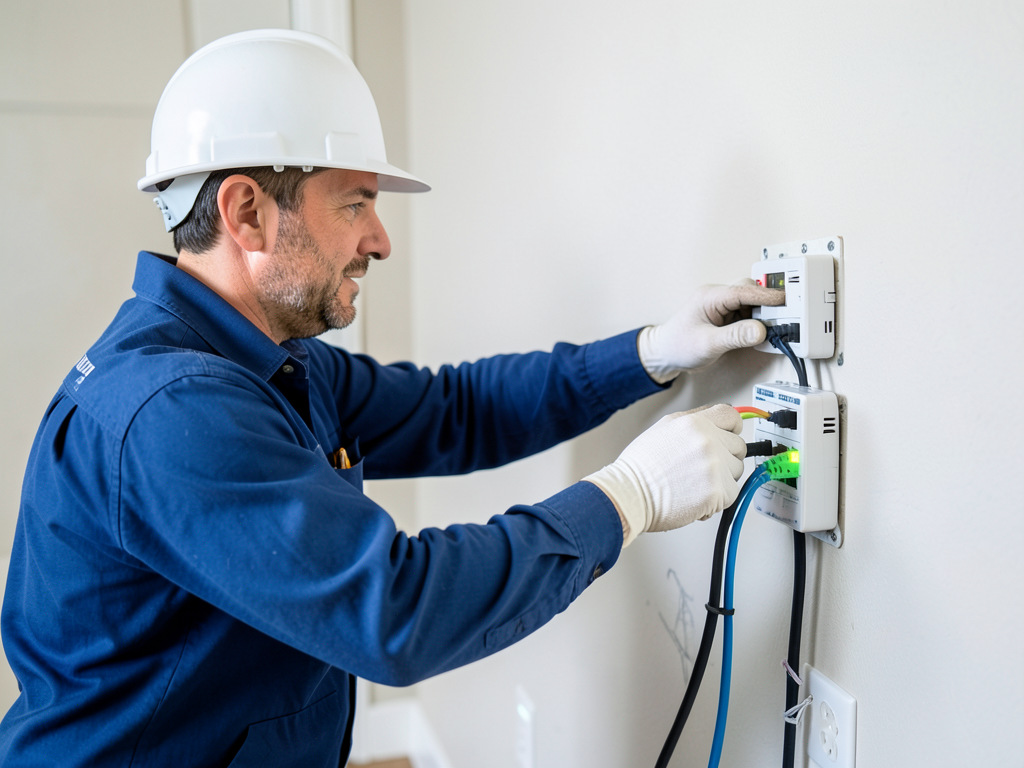
Installation methods differ significantly between the two approaches. Hardwired systems require running cables through walls, attics, or crawl spaces. This process often involves cutting drywall and fishing wires through existing structures. Wireless systems can be installed without any physical modifications to your home.
Power requirements also vary. Hardwired devices typically receive power through the same cables that carry data, using Power over Ethernet technology. Wireless devices need individual power sources, often requiring battery replacements or nearby electrical outlets. Electrical Inglewood.
Performance comparison: reliability and speed
Hardwired systems consistently outperform wireless alternatives in several key areas. Data transmission speeds remain stable regardless of network traffic or physical obstacles. Signal strength does not degrade as you move further from the hub. These factors make hardwired systems ideal for applications requiring real-time responsiveness.
Wireless systems offer convenience but face several limitations. Network congestion can slow down response times during peak usage hours. Physical barriers like concrete walls or metal appliances can block signals. Distance from the router affects performance, with weaker signals causing delays or disconnections.
For Reseda homeowners, these performance differences matter. The area’s dense residential development means many homes operate on overlapping Wi-Fi networks. This interference can cause wireless smart devices to malfunction or respond slowly. Hardwired systems avoid these issues entirely.
Installation considerations for Reseda properties
Reseda’s housing stock presents specific challenges for smart home installations. Many homes feature stucco exteriors and concrete block construction that complicate wire routing. Older homes may have limited attic access or crawl spaces that make cable installation more difficult.
Professional electricians familiar with Reseda’s building patterns can identify optimal routes for running new wiring. They understand how to work around existing electrical panels, plumbing lines, and HVAC systems. This expertise prevents damage to your home’s infrastructure during installation. Electrical Compton.
Permitting requirements in Los Angeles County add another layer of complexity. Hardwired systems must comply with local building codes and electrical standards. Professional installation ensures your system meets all safety requirements and passes necessary inspections. Los Angeles Department of Building and Safety.
Cost analysis: upfront investment vs long-term value
Hardwired systems typically require higher initial investments than wireless alternatives. Professional installation costs range from $2,000 to $10,000 depending on home size and system complexity. These costs include materials, labor, and necessary permits.
Wireless systems offer lower upfront costs, often under $500 for basic setups. However, these savings can be offset by ongoing expenses. Battery replacements, network equipment upgrades, and troubleshooting services add costs over time.
Long-term value considerations favor hardwired systems in many cases. These systems typically last 15-20 years with minimal maintenance. Wireless devices often require replacement every 3-5 years as technology advances. Hardwired systems also add resale value to your home, while wireless setups may not.
Security implications of each approach
Hardwired systems offer superior security against cyber threats. Physical connections cannot be hacked remotely, and data transmission occurs through private networks rather than public airwaves. This isolation protects sensitive information like security camera feeds and access codes.
Wireless systems face ongoing security challenges. Hackers can potentially access devices through Wi-Fi networks or exploit vulnerabilities in device firmware. Regular software updates help address these issues, but they require ongoing attention from homeowners.
Physical security also differs between approaches. Hardwired systems cannot be easily disabled by cutting power to specific areas. Wireless devices may lose functionality if batteries die or if signal jamming occurs. These differences matter for critical applications like security systems and emergency communications. Finding an Emergency Electrician in Silver Lake Who Actually Answers the Phone.
Scalability and future-proofing considerations
Hardwired systems offer superior scalability for expanding smart home capabilities. Additional devices can be added without overloading the network or requiring major infrastructure changes. This flexibility allows homeowners to start with basic systems and expand over time.
Wireless systems face limitations as device counts increase. Each new device consumes bandwidth and can create interference with existing connections. Network performance may degrade as you add more devices, requiring expensive router upgrades or mesh network installations.
Technology evolution affects both approaches differently. Hardwired systems can support new devices through simple software updates to the central hub. Wireless systems may require replacing entire device families as communication standards change, such as the transition from older Wi-Fi versions to newer ones.
Energy efficiency and environmental impact
Hardwired systems typically consume less energy than wireless alternatives. Direct electrical connections eliminate the power loss associated with wireless signal transmission. Centralized power distribution through Ethernet cables also reduces the number of individual power supplies needed throughout your home.. Read more about How to qualify for LADWP electrical rebates and incentives for your home in the San Fernando Valley.
Wireless devices often require individual power adapters or batteries. These components generate heat and consume power even when devices are idle. The cumulative energy consumption of multiple wireless devices can significantly impact your electricity bills.
Environmental considerations extend beyond energy use. Hardwired systems generate less electronic waste since components last longer and can be upgraded rather than replaced. Wireless devices contribute to the growing problem of electronic waste as outdated devices become obsolete and require disposal.
Maintenance requirements and support
Hardwired systems require minimal maintenance once installed. Physical connections remain stable, and centralized hubs typically need only occasional software updates. Professional support focuses on system optimization rather than troubleshooting individual device failures.
Wireless systems demand more ongoing attention. Battery replacements, network configuration changes, and device firmware updates require regular homeowner involvement. Troubleshooting wireless issues often involves identifying whether problems stem from network congestion, device malfunctions, or signal interference.
Professional support availability differs between approaches. Hardwired systems installed by licensed electricians often include warranty coverage and ongoing support options. Wireless systems may rely on manufacturer support or third-party services, which can be less comprehensive or more expensive over time.
Integration with existing home systems
Hardwired systems integrate seamlessly with traditional home infrastructure. Lighting control systems can connect directly to existing electrical circuits. HVAC controls can interface with current heating and cooling equipment. Security systems can tie into existing alarm panels and monitoring services.
Wireless systems may face compatibility challenges with older home equipment. Some legacy systems lack the communication protocols needed for wireless integration. Adapters or bridge devices can solve these issues but add complexity and potential points of failure.
For Reseda homes with mid-century construction, integration considerations become particularly important. Many properties feature original electrical panels, heating systems, and security infrastructure that predate modern smart home technology. Professional assessment helps identify integration opportunities and limitations.
Resale value and market appeal
Hardwired smart home systems can increase property values and appeal to potential buyers. These systems represent permanent home improvements that buyers perceive as valuable additions. Professional installation documentation and warranties provide assurance to future owners.
Wireless systems may have limited impact on resale value. Many buyers view these as personal accessories rather than permanent home features. The technology also becomes outdated more quickly, potentially making the home appear less modern rather than more advanced.
Real estate market trends in Reseda favor homes with integrated smart features. Buyers increasingly expect modern conveniences like automated lighting, climate control, and security systems. Hardwired installations meet these expectations while providing the reliability and performance that homeowners demand.
Decision factors for Reseda homeowners
Several factors should influence your choice between hardwired and wireless systems. Home age and construction type affect installation feasibility and costs. Your technology comfort level impacts ongoing maintenance requirements. Budget constraints influence both initial investment and long-term expenses.
Consider your specific smart home goals when making this decision. Basic functions like lighting control may work well with wireless systems. Critical applications like security monitoring or whole-home audio often benefit from hardwired reliability.
Professional consultation helps identify the best approach for your specific situation. Electricians familiar with Reseda properties can assess your home’s infrastructure and recommend solutions that balance performance, cost, and installation requirements.
Making the right choice for your home
Hardwired smart home systems offer superior reliability, security, and long-term value. These benefits come with higher upfront costs and more complex installation requirements. Wireless systems provide flexibility and lower initial investments but may require more maintenance and offer less reliability.
Reseda homeowners should evaluate their specific needs, home characteristics, and budget when choosing between these approaches. Professional installation ensures proper system design and compliance with local building codes. This expertise helps avoid common pitfalls and maximizes your smart home investment.
The right choice depends on your priorities and circumstances. Some homeowners combine both approaches, using hardwired systems for critical functions and wireless devices for convenience features. This hybrid strategy can provide the best balance of reliability and flexibility.
Frequently Asked Questions
Can I install a hardwired smart home system in my existing Reseda home?
Yes, existing homes can be retrofitted with hardwired systems. Professional electricians use techniques like fishing wires through existing walls or running cables through attics and crawl spaces. The process may involve some drywall repair, but experienced installers minimize visible impact.
How long does hardwired smart home installation take?
Installation time varies based on home size and system complexity. A basic system for a 1,500 square foot home typically requires 2-3 days. Larger homes or more complex systems may need 5-7 days. This includes planning, installation, testing, and cleanup phases.
Will hardwired systems work during power outages?
Most hardwired systems include battery backup capabilities to maintain essential functions during outages. Critical systems like security and lighting can continue operating for several hours without grid power. Uninterruptible power supplies can extend backup duration for important applications. Installing a backup generator for your Hollywood Hills home before the next outage.
Are hardwired systems compatible with voice assistants like Alexa or Google Home?
Yes, hardwired systems can integrate with popular voice assistants through central hubs or bridge devices. These integrations allow voice control of hardwired devices while maintaining the reliability and performance advantages of physical connections.
What permits are required for hardwired smart home installation in Los Angeles?
Hardwired installations typically require electrical permits from the City of Los Angeles. Additional permits may be needed for low-voltage wiring, depending on the scope of work. Professional installers handle permit acquisition and ensure compliance with all local building codes. For more information, visit California Title 24 Energy Code.
You may also find this helpful. Prepping your Glassell Park hillside home for high-speed fiber internet and mesh networking.
{
“@context”: “https://schema.org”,
“@type”: “BlogPosting”,
“headline”: “The pros and cons of hardwired vs wireless smart home hubs for Reseda homeowners”,
“description”: “Discover the benefits and drawbacks of hardwired vs wireless smart home hubs for Reseda homes. Learn about reliability, installation, and local compliance.”,
“wordCount”: 1886,
“datePublished”: “2026-05-18T14:18:00.000Z”,
“dateModified”: “2026-05-18T14:18:00.000Z”,
“inLanguage”: “en-US”,
“mainEntityOfPage”: {
“@type”: “WebPage”,
“@id”: “https://eliteelectricianslosangeles.com”
},
“publisher”: {
“@type”: “LocalBusiness”,
“name”: “Elite Electricians Los Angeles”,
“url”: “https://eliteelectricianslosangeles.com”
},
“author”: {
“@type”: “Organization”,
“name”: “Elite Electricians Los Angeles”,
“url”: “https://eliteelectricianslosangeles.com”
},
“image”: {
“@type”: “ImageObject”,
“url”: “https://eliteelectricianslosangeles.com/wp-content/uploads/2026/03/the-pros-and-cons-of-hardwired-vs-wireless-smart-h-1.png”
}
}
{
“@context”: “https://schema.org”,
“@type”: “Electrician”,
“name”: “Elite Electricians Los Angeles”,
“url”: “https://eliteelectricianslosangeles.com”,
“address”: {
“@type”: “PostalAddress”,
“addressLocality”: “Los Angeles”
},
“areaServed”: {
“@type”: “City”,
“name”: “Los Angeles”
}
}
{
“@context”: “https://schema.org”,
“@type”: “FAQPage”,
“mainEntity”: [
{
“@type”: “Question”,
“name”: “Can I install a hardwired smart home system in my existing Reseda home?”,
“acceptedAnswer”: {
“@type”: “Answer”,
“text”: “Yes, existing homes can be retrofitted with hardwired systems. Professional electricians use techniques like fishing wires through existing walls or running cables through attics and crawl spaces. The process may involve some drywall repair, but experienced installers minimize visible impact.”
}
},
{
“@type”: “Question”,
“name”: “How long does hardwired smart home installation take?”,
“acceptedAnswer”: {
“@type”: “Answer”,
“text”: “Installation time varies based on home size and system complexity. A basic system for a 1,500 square foot home typically requires 2-3 days. Larger homes or more complex systems may need 5-7 days. This includes planning, installation, testing, and cleanup phases.”
}
},
{
“@type”: “Question”,
“name”: “Will hardwired systems work during power outages?”,
“acceptedAnswer”: {
“@type”: “Answer”,
“text”: “Most hardwired systems include battery backup capabilities to maintain essential functions during outages. Critical systems like security and lighting can continue operating for several hours without grid power. Uninterruptible power supplies can extend backup duration for important applications. Installing a backup generator for your Hollywood Hills home before the next outage.”
}
},
{
“@type”: “Question”,
“name”: “Are hardwired systems compatible with voice assistants like Alexa or Google Home?”,
“acceptedAnswer”: {
“@type”: “Answer”,
“text”: “Yes, hardwired systems can integrate with popular voice assistants through central hubs or bridge devices. These integrations allow voice control of hardwired devices while maintaining the reliability and performance advantages of physical connections.”
}
},
{
“@type”: “Question”,
“name”: “What permits are required for hardwired smart home installation in Los Angeles?”,
“acceptedAnswer”: {
“@type”: “Answer”,
“text”: “Hardwired installations typically require electrical permits from the City of Los Angeles. Additional permits may be needed for low-voltage wiring, depending on the scope of work. Professional installers handle permit acquisition and ensure compliance with all local building codes. For more information, visit California Title 24 Energy Code.”
}
}
]
}
{
“@context”: “https://schema.org”,
“@type”: “BreadcrumbList”,
“itemListElement”: [
{
“@type”: “ListItem”,
“position”: 1,
“name”: “Home”,
“item”: “https://eliteelectricianslosangeles.com”
},
{
“@type”: “ListItem”,
“position”: 2,
“name”: “Blog”,
“item”: “https://eliteelectricianslosangeles.com/blog”
},
{
“@type”: “ListItem”,
“position”: 3,
“name”: “The pros and cons of hardwired vs wireless smart home hubs for Reseda homeowners”
}
]
}
{
“@context”: “https://schema.org”,
“@type”: “Service”,
“serviceType”: “Electricians”,
“provider”: {
“@type”: “LocalBusiness”,
“name”: “Elite Electricians Los Angeles”,
“url”: “https://eliteelectricianslosangeles.com”
},
“areaServed”: {
“@type”: “City”,
“name”: “Los Angeles”
},
“description”: “Discover the benefits and drawbacks of hardwired vs wireless smart home hubs for Reseda homes. Learn about reliability, installation, and local compliance.”
}