
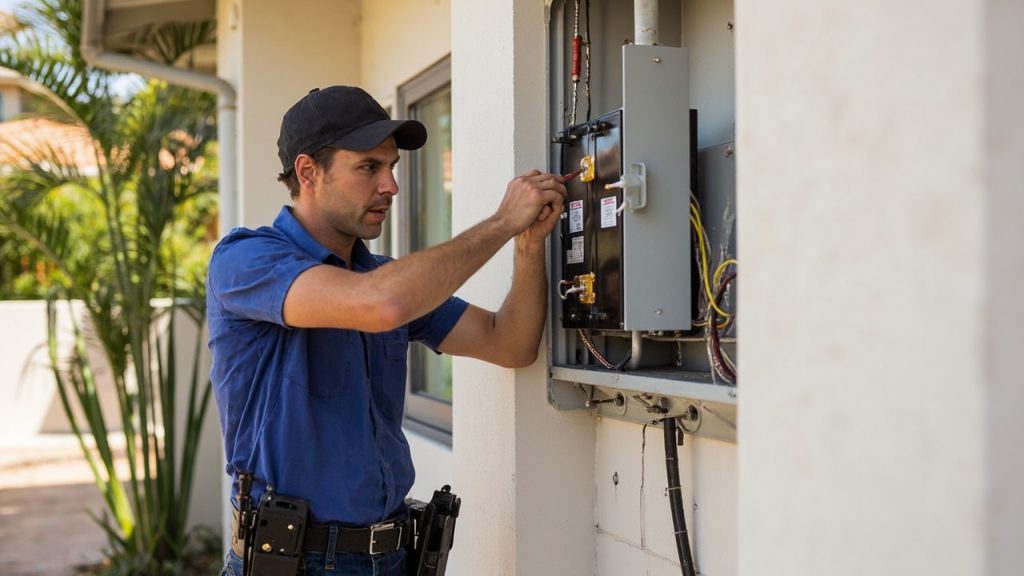
Why Marina del Rey Outdoor Kitchens Need Special Electrical Attention
Living near the ocean means salty air and high humidity can damage electrical systems faster than inland areas. In Marina del Rey you need equipment rated for coastal conditions and wiring methods that resist corrosion. Salt air accelerates terminal degradation and can cause premature GFCI failure if you use standard indoor components. The California Electrical Code and local Los Angeles Department of Building and Safety (LADBS) amendments add extra requirements beyond the National Electrical Code (NEC).
Understanding the Code Requirements
The NEC Article 210.8 requires GFCI protection for all 15A and 20A 120V receptacles in outdoor areas. In California the Title 24 energy code adds efficiency requirements for lighting and appliance circuits. Marina del Rey falls under LADBS jurisdiction so you must follow local amendments that often exceed state minimums. For example coastal zones require weatherproof while-in-use covers on all outdoor outlets to prevent water intrusion even when cords are plugged in.
Required Circuits for Common Outdoor Kitchen Appliances
Each major appliance needs its own dedicated circuit to prevent overloads. Here’s what you typically need:
| Appliance | Required Circuit | Notes |
|---|---|---|
| Outdoor Refrigerator | 20-amp dedicated | 120V GFCI protected |
| Electric Grill/Smoker | 20-amp dedicated | May need 240V for larger units |
| Wine Cooler | 15-amp dedicated | 120V GFCI required |
| Ice Maker | 15-amp dedicated | 120V GFCI required |
| Lighting Circuits | 15-amp shared | Use LED for Title 24 compliance |
Conduit and Burial Depth Requirements
Underground wiring in Marina del Rey must resist moisture and salt corrosion. PVC Schedule 40 conduit requires 18 inches of cover in residential backyards. If you use Rigid Metal Conduit (RMC) you can reduce burial depth to 6 inches but the metal must be galvanized and properly bonded. Always use waterproof direct-burial cable inside the conduit. For coastal installations many electricians specify Schedule 80 PVC which has thicker walls for extra protection.
Weatherproofing and Material Selection
Standard indoor outlets will fail quickly in Marina del Rey’s salt-air environment. Use only UL-listed weather-resistant receptacles and switches. All connections need silicone-filled wire nuts or heat-shrink terminals. Metal boxes should be stainless steel or galvanized with corrosion-resistant screws. For lighting choose fixtures with at least IP65 rating which protects against water jets and dust. Brass or copper fixtures with powder-coated finishes resist salt corrosion better than aluminum.
Grounding and Bonding for Safety
Proper grounding prevents electric shock and protects equipment from lightning surges. All metal parts including appliance frames gas lines and water pipes must be bonded to the electrical system ground. In coastal areas the ground rod should be copper-clad steel at least 8 feet long. If your soil has high salt content resistance may be higher so you might need two ground rods spaced 6 feet apart. Bonding jumpers around any plastic water meter or gas valve maintain the grounding path.
Subpanel Installation vs. Home Run Circuits
For extensive outdoor kitchens running individual circuits back to the main panel creates voltage drop and voltage loss over long distances. A better solution installs a small outdoor-rated subpanel near the kitchen. This reduces wire length and allows easier future expansion. The subpanel needs a main breaker sized for the calculated load and must be mounted in a NEMA 3R enclosure for weather protection. Plan for at least 40 amps total capacity to handle future additions like a built-in pizza oven or electric patio heater.
Load Calculations and Amperage Planning
Before trenching calculate the total connected load to size your service correctly. Add up the amperage of all appliances at their highest expected simultaneous usage. Apply the 125% continuous load factor for anything that runs over 3 hours continuously like refrigeration. Here’s a sample calculation:
- Refrigerator: 6 amps
- Electric Grill: 15 amps
- Wine Cooler: 2 amps
- Ice Maker: 3 amps
- Lighting: 5 amps
- Future Expansion: 10 amps
Total: 41 amps x 1.25 = 51.25 amps. This suggests a 60-amp subpanel minimum.
Smart Controls and Entertainment Integration
Modern outdoor kitchens often include WiFi-controlled lighting Lutron Caseta or similar smart switches for dimming and scheduling. Entertainment systems need dedicated circuits for audio-visual equipment. Use outdoor-rated HDMI and CAT6 cables in conduit for future-proofing. For TVs choose weatherproof models or install them in covered areas with proper ventilation. Consider a WiFi extender or mesh system to ensure reliable control from your smartphone or tablet.
Navigating the LADBS Permit Process
Outdoor kitchen electrical work in Marina del Rey requires an Electrical Permit from LADBS. Start by submitting detailed plans showing circuit layouts equipment locations and load calculations. LADBS will review for code compliance and may require an engineer’s stamp for complex installations. After permit approval you can begin rough-in work. LADBS inspectors will check grounding methods GFCI protection and weatherproofing before approving the final connection. Plan for 2-4 weeks for permit processing and 1-2 inspections during construction.
Cost Factors and Budget Planning
Electrical costs for outdoor kitchens vary based on distance from the main panel trenching requirements and equipment quality. In Marina del Rey expect to pay more for marine-grade components. Basic installation with 3-4 circuits might cost $3000-$5000. Complex setups with subpanels and smart controls can reach $8000-$12000. Trenching through concrete patios or under existing structures adds significant labor costs. Always get detailed quotes that separate material and labor costs so you can compare specifications.
Maintenance and Long-Term Reliability
Coastal environments demand regular maintenance to prevent corrosion. Annually test all GFCI outlets and breakers. Check weatherproof covers for cracks or seal degradation. Clean corrosion from metal fixtures with a baking soda solution and apply dielectric grease to connections. Consider installing whole-home surge protection to guard against lightning strikes and utility grid fluctuations common in coastal areas. Replace any outdoor receptacles showing signs of rust or heat damage immediately.
Common Mistakes to Avoid
Many DIYers make critical errors that create safety hazards. Never use indoor-rated devices outdoors even in covered areas. Don’t share circuits between high-draw appliances like refrigerators and grills. Avoid burying direct-burial cable without conduit in areas with rocky soil or future digging plans. Don’t skip the bonding step between metal structures and electrical ground. Never bypass GFCI protection even if nuisance tripping occurs it indicates a problem that needs fixing not circumventing.
Frequently Asked Questions
Do I really need a permit for outdoor kitchen electrical work?
Yes. LADBS requires permits for all new electrical circuits including outdoor kitchens. Work without permits can result in fines and insurance issues if problems occur later.
Can I use my existing outdoor outlets for the kitchen?
Existing outlets likely won’t meet current code requirements. They may lack proper GFCI protection weatherproof covers or adequate amperage for kitchen appliances. Always install new dedicated circuits.
How deep should I bury the electrical conduit?
PVC conduit needs 18 inches of cover. Rigid Metal Conduit can be buried at 6 inches but must be properly bonded. Always call 811 before digging to locate existing utilities.
Getting Professional Help in Marina del Rey
Outdoor kitchen electrical work requires specialized knowledge of coastal conditions and local codes. A licensed C-10 electrical contractor familiar with Marina del Rey can ensure your installation meets all safety requirements and passes inspection. They understand the unique challenges of salt-air corrosion and can recommend the best materials for long-term reliability. Professional installation also protects your investment and provides documentation for insurance and future home sales.
Ready to Start Your Outdoor Kitchen Project?
Proper electrical planning prevents problems and ensures years of safe outdoor cooking enjoyment. Whether you’re building from scratch or upgrading an existing space understanding the requirements helps you budget correctly and avoid costly mistakes. Contact a qualified Marina del Rey electrician today to discuss your outdoor kitchen electrical needs and get a detailed quote for your specific situation. Don’t let electrical issues ruin your outdoor entertaining dreams.
{
“@context”: “https://schema.org”,
“@type”: “BlogPosting”,
“headline”: “How to Properly Ground an Outdoor Kitchen in Your Marina del Rey Backyard”,
“description”: “Learn how to ground your outdoor kitchen safely in Marina del Rey. Expert electrical tips for coastal conditions, code compliance, and long-term reliability.”,
“wordCount”: 1284,
“datePublished”: “2026-04-06T10:03:00.000Z”,
“dateModified”: “2026-04-06T10:03:00.000Z”,
“inLanguage”: “en-US”,
“mainEntityOfPage”: {
“@type”: “WebPage”,
“@id”: “https://eliteelectricianslosangeles.com”
},
“publisher”: {
“@type”: “LocalBusiness”,
“name”: “Elite Electricians Los Angeles”,
“url”: “https://eliteelectricianslosangeles.com”
},
“author”: {
“@type”: “Organization”,
“name”: “Elite Electricians Los Angeles”,
“url”: “https://eliteelectricianslosangeles.com”
},
“image”: {
“@type”: “ImageObject”,
“url”: “https://eliteelectricianslosangeles.com/wp-content/uploads/2026/03/how-to-properly-ground-an-outdoor-kitchen-in-your-1.jpg”
}
}
{
“@context”: “https://schema.org”,
“@type”: “Electrician”,
“name”: “Elite Electricians Los Angeles”,
“url”: “https://eliteelectricianslosangeles.com”,
“address”: {
“@type”: “PostalAddress”,
“addressLocality”: “Los Angeles”
},
“areaServed”: {
“@type”: “City”,
“name”: “Los Angeles”
}
}
{
“@context”: “https://schema.org”,
“@type”: “FAQPage”,
“mainEntity”: [
{
“@type”: “Question”,
“name”: “Do I really need a permit for outdoor kitchen electrical work?”,
“acceptedAnswer”: {
“@type”: “Answer”,
“text”: “Yes. LADBS requires permits for all new electrical circuits including outdoor kitchens. Work without permits can result in fines and insurance issues if problems occur later.”
}
},
{
“@type”: “Question”,
“name”: “Can I use my existing outdoor outlets for the kitchen?”,
“acceptedAnswer”: {
“@type”: “Answer”,
“text”: “Existing outlets likely won’t meet current code requirements. They may lack proper GFCI protection weatherproof covers or adequate amperage for kitchen appliances. Always install new dedicated circuits.”
}
},
{
“@type”: “Question”,
“name”: “How deep should I bury the electrical conduit?”,
“acceptedAnswer”: {
“@type”: “Answer”,
“text”: “PVC conduit needs 18 inches of cover. Rigid Metal Conduit can be buried at 6 inches but must be properly bonded. Always call 811 before digging to locate existing utilities.”
}
},
{
“@type”: “Question”,
“name”: “Ready to Start Your Outdoor Kitchen Project?”,
“acceptedAnswer”: {
“@type”: “Answer”,
“text”: “Proper electrical planning prevents problems and ensures years of safe outdoor cooking enjoyment. Whether you’re building from scratch or upgrading an existing space understanding the requirements helps you budget correctly and avoid costly mistakes. Contact a qualified Marina del Rey electrician today to discuss your outdoor kitchen electrical needs and get a detailed quote for your specific situation. Don’t let electrical issues ruin your outdoor entertaining dreams.”
}
}
]
}
{
“@context”: “https://schema.org”,
“@type”: “BreadcrumbList”,
“itemListElement”: [
{
“@type”: “ListItem”,
“position”: 1,
“name”: “Home”,
“item”: “https://eliteelectricianslosangeles.com”
},
{
“@type”: “ListItem”,
“position”: 2,
“name”: “Blog”,
“item”: “https://eliteelectricianslosangeles.com/blog”
},
{
“@type”: “ListItem”,
“position”: 3,
“name”: “How to Properly Ground an Outdoor Kitchen in Your Marina del Rey Backyard”
}
]
}
{
“@context”: “https://schema.org”,
“@type”: “Service”,
“serviceType”: “Electricians”,
“provider”: {
“@type”: “LocalBusiness”,
“name”: “Elite Electricians Los Angeles”,
“url”: “https://eliteelectricianslosangeles.com”
},
“areaServed”: {
“@type”: “City”,
“name”: “Los Angeles”
},
“description”: “Learn how to ground your outdoor kitchen safely in Marina del Rey. Expert electrical tips for coastal conditions, code compliance, and long-term reliability.”
}