
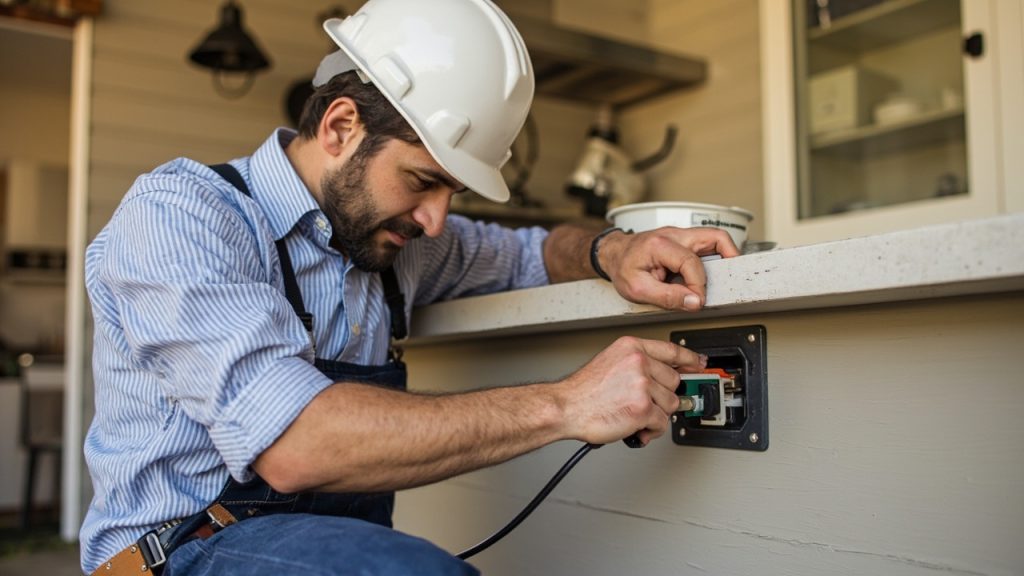
Understanding Your Outdoor Kitchen Electrical Needs
Planning the electrical layout for a professional-grade outdoor kitchen in Hidden Hills requires careful consideration of appliance requirements, local building codes, and safety standards. The first step involves assessing your power needs based on the appliances you plan to install.. Read more about Electrical fire safety tips for homeowners in Topanga Canyon during Santa Ana wind season.
Hidden Hills properties typically feature expansive outdoor living spaces with high-end kitchen equipment. You will need to calculate the total amperage draw of all appliances including grills, refrigerators, ice makers, and entertainment systems. A typical professional-grade outdoor kitchen can require anywhere from 50 to 100 amps of dedicated power depending on the equipment selection.. Read more about Why the Salt Air in Malibu is Destroying Your Outdoor Electrical Outlets.
The California Electrical Code and Los Angeles Department of Building and Safety (LADBS) have specific requirements for outdoor installations. You must account for weatherproofing, GFCI protection, and proper conduit installation. The soil composition in Hidden Hills areas can affect trenching depth requirements for underground wiring.. Read more about The hidden electrical dangers of older swimming pools in Northridge — and how to fix them.
Key Factors for Hidden Hills Outdoor Kitchens
- Property size and distance from main electrical panel
- Appliance selection and total power requirements
- Local building permit requirements
- Weather exposure and environmental conditions
- Future expansion plans
Determining Load Capacity and Dedicated Circuits
Load calculation forms the foundation of your outdoor kitchen electrical plan. You need to determine the amperage requirements for each appliance and ensure your electrical service can handle the total load.
High-draw appliances like electric grills, pizza ovens, and outdoor refrigerators typically require dedicated 20-amp circuits. Entertainment systems including outdoor televisions and sound equipment need their own circuits to prevent interference and ensure reliable operation.
Voltage drop becomes a significant concern when running power long distances from your main panel to the outdoor kitchen area. Properties in Hidden Hills often require sub-panels installed near the outdoor kitchen to maintain proper voltage and reduce energy loss.
Appliance Amperage Requirements
| Appliance Type | Typical Amperage | Recommended Circuit |
|---|---|---|
| Outdoor Refrigerator | 6-8 amps | 20-amp dedicated |
| Electric Grill | 12-16 amps | 20-amp dedicated |
| Pizza Oven | 15-20 amps | 20-amp dedicated |
| Ice Maker | 4-6 amps | 15-amp dedicated |
| Outdoor TV | 2-4 amps | 15-amp shared |
Properties in nearby Calabasas and Woodland Hills often face similar electrical planning challenges due to comparable property sizes and appliance selections. The distance from the main electrical panel to the outdoor kitchen area significantly impacts your installation approach.
Essential Components of a Safe Outdoor Electrical Layout
Weatherproofing stands as the most critical safety consideration for outdoor electrical installations. Southern California experiences intense sun exposure, occasional heavy rains, and temperature fluctuations that can damage unprotected electrical components.
GFCI protection must be installed on all outdoor receptacles according to NEC requirements. This protection prevents electrical shock in wet conditions and is mandatory for all outdoor kitchen outlets regardless of location or elevation.
Weatherproof Outlet Specifications
Weatherproof “in-use” covers provide protection for outlets that remain plugged in during outdoor use. These covers feature a hinged design that allows cords to pass through while maintaining a weather-resistant seal. Stainless steel mounting hardware prevents corrosion in the coastal-influenced climate of Los Angeles County.
Underground conduit installation requires specific materials and depths. PVC Schedule 40 conduit must be buried at least 18 inches deep for most applications, while PVC Schedule 80 requires 12-inch burial depth. Rigid Metal Conduit (RMC) needs only 6-inch burial depth but costs significantly more.
Conduit Material Comparison
| Conduit Type | Bury Depth | Cost per Foot | Best Use |
|---|---|---|---|
| PVC Schedule 40 | 18 inches | $1.50 | Most residential applications |
| PVC Schedule 80 | 12 inches | $2.25 | Driveways and high-traffic areas |
| Rigid Metal Conduit | 6 inches | $4.00 | Areas needing extra protection |
Properties in areas like Sherman Oaks and Encino often require similar outdoor kitchen electrical planning due to comparable property layouts and appliance selections. The key difference lies in local permit requirements and inspector preferences.
Los Angeles Specific Codes and LADBS Permits
The Los Angeles Department of Building and Safety (LADBS) enforces specific requirements for outdoor kitchen electrical installations. You must obtain an electrical permit before beginning any work, and all installations require final inspection approval.
California Title 24 energy efficiency standards affect outdoor lighting choices. LED fixtures have become mandatory for most outdoor applications due to their energy efficiency and long lifespan. Motion sensors and timers help reduce energy consumption while providing convenience.
Fire safety regulations require specific clearances between electrical components and gas lines or propane tanks. A minimum 3-foot clearance typically applies, but this varies based on the specific installation configuration and local inspector requirements.
Permit Process Timeline
- Submit electrical plans to LADBS for review
- Receive permit approval (typically 3-5 business days)
- Complete installation with required inspections
- Final inspection and approval
- Permit closeout
The permit process in Hidden Hills may involve additional review due to the area’s specific zoning requirements and the prevalence of high-end outdoor living spaces. Working with an electrician familiar with LADBS procedures can streamline this process significantly.
Sample Layout: Appliances, Lighting, and Entertainment
A well-designed outdoor kitchen electrical layout organizes circuits by function and location. Grouping related appliances on the same circuit simplifies troubleshooting and reduces the number of circuits needed.
Cooking zone circuits should power grills, pizza ovens, and warming drawers. Refrigeration zone circuits handle refrigerators, ice makers, and wine coolers. Entertainment zone circuits power televisions, sound systems, and outdoor Wi-Fi equipment.
Task lighting requires separate circuits from ambient lighting to allow for different control options. Under-cabinet lighting, pendant lights over islands, and pathway lighting each serve different purposes and benefit from independent control.
Recommended Zone Layout
| Zone | Typical Circuits | Key Appliances |
|---|---|---|
| Cooking | 2-3 dedicated | Grill, oven, warming drawer |
| Refrigeration | 2 dedicated | Refrigerator, ice maker, wine cooler |
| Entertainment | 1-2 dedicated | TV, sound system, Wi-Fi |
| Lighting | 2-3 dedicated | Ambient, task, security |
Properties in adjacent areas like Beverly Hills and Bel Air often implement similar electrical planning principles due to comparable property sizes and the emphasis on outdoor entertaining spaces. The main difference lies in the specific appliance selections and entertainment system configurations.
Why You Need a Licensed Electrician for Outdoor Projects
Outdoor kitchen electrical installations involve complex code requirements, safety considerations, and permit processes that require professional expertise. A licensed electrician understands the specific requirements for Los Angeles County and can ensure your installation meets all safety standards.
Underground wiring installation requires proper trenching techniques, appropriate conduit selection, and correct burial depths. Improper installation can lead to code violations, safety hazards, and expensive repairs. Licensed electricians carry insurance that protects you from liability during the installation process.
Sub-panel installation for outdoor kitchens often proves more cost-effective than running multiple long circuits from the main panel. A licensed electrician can evaluate your property layout and recommend the most efficient approach for your specific situation.
Professional Installation Benefits
- Code compliance and permit navigation
- Proper load calculations and circuit planning
- Weatherproof installation techniques
- Insurance and warranty protection
- Future expansion planning
Working with professionals familiar with the Hidden Hills area ensures your outdoor kitchen electrical system meets local requirements while providing reliable performance for years to come. The investment in professional installation pays dividends through safety, reliability, and code compliance.
Frequently Asked Questions
How much does it cost to install electrical for an outdoor kitchen in Hidden Hills?
Costs vary based on property size, distance from main panel, and equipment selection. Basic installations typically start around $3,000 to $5,000, while comprehensive systems with sub-panels can range from $8,000 to $15,000 or more.
Do I need a permit for outdoor kitchen electrical work in Los Angeles?
Yes. All outdoor electrical installations require permits from LADBS. This includes new circuits, sub-panel installations, and underground wiring. Work completed without permits can result in fines and may need to be redone to pass inspection.
How deep should electrical conduit be buried for an outdoor kitchen?
Direct burial cable requires 24-inch depth. PVC conduit needs 18-inch burial depth for Schedule 40 and 12 inches for Schedule 80. Rigid Metal Conduit requires only 6-inch burial depth but costs more per foot.
Can I run outdoor kitchen electricity from my house or do I need a sub-panel?
This depends on distance and load requirements. Properties within 50 feet of the main panel might use existing circuits, but most outdoor kitchens benefit from dedicated sub-panels to prevent voltage drop and provide adequate power for all appliances.
What type of outlets should I use for outdoor kitchens?
All outdoor outlets must be GFCI-protected and weatherproof. Use “in-use” covers for outlets that will have devices plugged in during operation. Stainless steel mounting hardware prevents corrosion in outdoor environments.

Planning Your Outdoor Kitchen Electrical Layout
Proper electrical planning ensures your outdoor kitchen functions safely and efficiently for years to come. Start by documenting all appliances and their power requirements, then work with a licensed electrician to create a comprehensive plan that meets code requirements and your entertainment needs.
The unique characteristics of Hidden Hills properties including expansive outdoor spaces and high-end appliance selections require careful electrical planning. Working with professionals familiar with local codes and permit processes helps ensure your project proceeds smoothly from planning through final inspection.
You may also find this helpful. Installing high-powered infrared patio heaters for your outdoor dining space in Pico-Robertson.
Ready to plan your outdoor kitchen electrical layout? Contact our team for a professional assessment of your property’s electrical capacity and a detailed quote for your outdoor kitchen installation. We serve Hidden Hills and surrounding Los Angeles communities with licensed, insured electrical services that meet all local code requirements.
{
“@context”: “https://schema.org”,
“@type”: “BlogPosting”,
“headline”: “How to plan the electrical layout for a professional-grade outdoor kitchen in Hidden Hills”,
“description”: “Planning an outdoor kitchen in Hidden Hills requires specific electrical knowledge. Learn load calculations, code compliance, and layout tips from a Los Angeles electrician.”,
“wordCount”: 1519,
“datePublished”: “2026-05-13T10:15:00.000Z”,
“dateModified”: “2026-05-13T10:15:00.000Z”,
“inLanguage”: “en-US”,
“mainEntityOfPage”: {
“@type”: “WebPage”,
“@id”: “https://eliteelectricianslosangeles.com”
},
“publisher”: {
“@type”: “LocalBusiness”,
“name”: “Elite Electricians Los Angeles”,
“url”: “https://eliteelectricianslosangeles.com”
},
“author”: {
“@type”: “Organization”,
“name”: “Elite Electricians Los Angeles”,
“url”: “https://eliteelectricianslosangeles.com”
},
“image”: {
“@type”: “ImageObject”,
“url”: “https://eliteelectricianslosangeles.com/wp-content/uploads/2026/03/how-to-plan-the-electrical-layout-for-a-profession-1.jpg”
}
}
{
“@context”: “https://schema.org”,
“@type”: “Electrician”,
“name”: “Elite Electricians Los Angeles”,
“url”: “https://eliteelectricianslosangeles.com”,
“address”: {
“@type”: “PostalAddress”,
“addressLocality”: “Los Angeles”
},
“areaServed”: {
“@type”: “City”,
“name”: “Los Angeles”
}
}
{
“@context”: “https://schema.org”,
“@type”: “FAQPage”,
“mainEntity”: [
{
“@type”: “Question”,
“name”: “How much does it cost to install electrical for an outdoor kitchen in Hidden Hills?”,
“acceptedAnswer”: {
“@type”: “Answer”,
“text”: “Costs vary based on property size, distance from main panel, and equipment selection. Basic installations typically start around $3,000 to $5,000, while comprehensive systems with sub-panels can range from $8,000 to $15,000 or more.”
}
},
{
“@type”: “Question”,
“name”: “Do I need a permit for outdoor kitchen electrical work in Los Angeles?”,
“acceptedAnswer”: {
“@type”: “Answer”,
“text”: “Yes. All outdoor electrical installations require permits from LADBS. This includes new circuits, sub-panel installations, and underground wiring. Work completed without permits can result in fines and may need to be redone to pass inspection.”
}
},
{
“@type”: “Question”,
“name”: “How deep should electrical conduit be buried for an outdoor kitchen?”,
“acceptedAnswer”: {
“@type”: “Answer”,
“text”: “Direct burial cable requires 24-inch depth. PVC conduit needs 18-inch burial depth for Schedule 40 and 12 inches for Schedule 80. Rigid Metal Conduit requires only 6-inch burial depth but costs more per foot.”
}
},
{
“@type”: “Question”,
“name”: “Can I run outdoor kitchen electricity from my house or do I need a sub-panel?”,
“acceptedAnswer”: {
“@type”: “Answer”,
“text”: “This depends on distance and load requirements. Properties within 50 feet of the main panel might use existing circuits, but most outdoor kitchens benefit from dedicated sub-panels to prevent voltage drop and provide adequate power for all appliances.”
}
},
{
“@type”: “Question”,
“name”: “What type of outlets should I use for outdoor kitchens?”,
“acceptedAnswer”: {
“@type”: “Answer”,
“text”: “All outdoor outlets must be GFCI-protected and weatherproof. Use \”in-use\” covers for outlets that will have devices plugged in during operation. Stainless steel mounting hardware prevents corrosion in outdoor environments.”
}
}
]
}
{
“@context”: “https://schema.org”,
“@type”: “BreadcrumbList”,
“itemListElement”: [
{
“@type”: “ListItem”,
“position”: 1,
“name”: “Home”,
“item”: “https://eliteelectricianslosangeles.com”
},
{
“@type”: “ListItem”,
“position”: 2,
“name”: “Blog”,
“item”: “https://eliteelectricianslosangeles.com/blog”
},
{
“@type”: “ListItem”,
“position”: 3,
“name”: “How to plan the electrical layout for a professional-grade outdoor kitchen in Hidden Hills”
}
]
}
{
“@context”: “https://schema.org”,
“@type”: “Service”,
“serviceType”: “Electricians”,
“provider”: {
“@type”: “LocalBusiness”,
“name”: “Elite Electricians Los Angeles”,
“url”: “https://eliteelectricianslosangeles.com”
},
“areaServed”: {
“@type”: “City”,
“name”: “Los Angeles”
},
“description”: “Planning an outdoor kitchen in Hidden Hills requires specific electrical knowledge. Learn load calculations, code compliance, and layout tips from a Los Angeles electrician.”
}