
How to choose between different types of under cabinet lighting for your Mid-City kitchen
Under cabinet lighting transforms your Mid-City kitchen from a dim workspace into a bright, functional area that makes food prep safer and easier. The right lighting choice depends on your cabinet layout, countertop material, and how you use your kitchen. This guide breaks down the main types of under cabinet lighting so you can make the best decision for your home.. Read more about Choosing the right dimmers for your new high-end LED fixtures in Atwater Village.
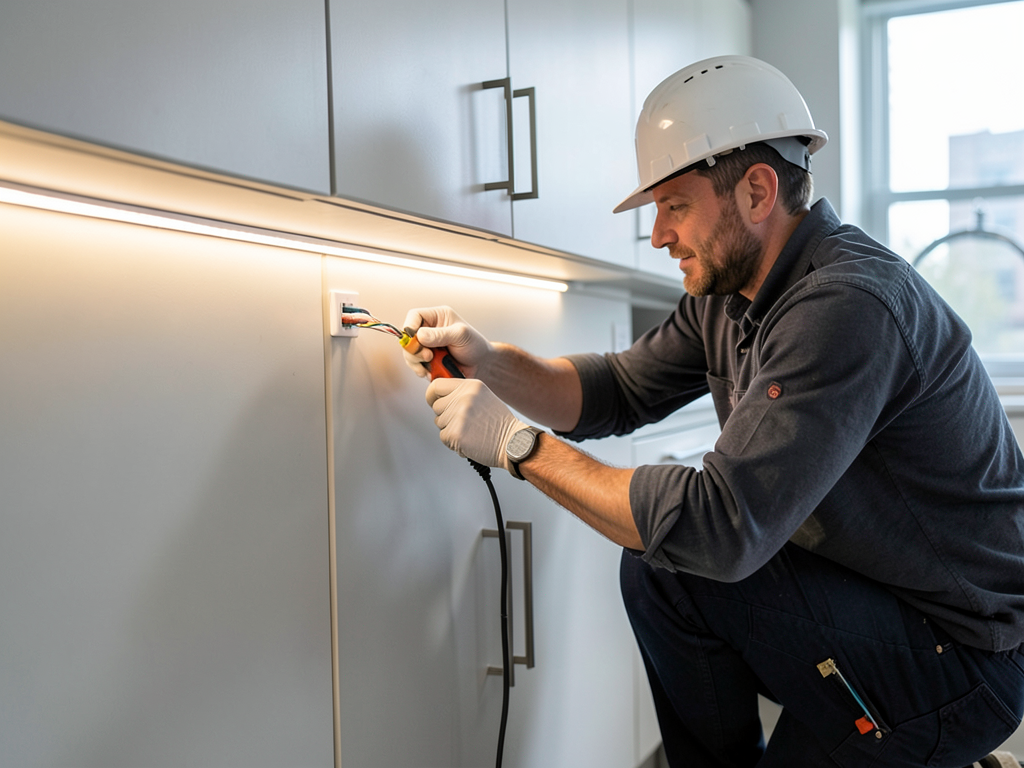
LED Strip Lights Create Seamless Modern Glow
LED strip lights also called tape lights mount flat against the underside of cabinets and produce a continuous line of light. These work perfectly for Mid-City kitchens with clean modern lines or when you want even light across your entire countertop. The slim profile disappears when installed correctly and newer versions come with strong adhesive backing or mounting clips.
The main advantage comes from the uniform light distribution. Unlike individual puck lights that create pools of light, strips eliminate shadows and dark spots. This matters when you have light-colored quartz or marble countertops that reflect glare. You can cut strips to exact lengths during installation which reduces waste and fits irregular cabinet runs.
Power requirements vary by length and brightness. Most strips run on 12 or 24 volts and need a driver to step down household current. Professional installation ensures proper voltage drop calculations so the last foot of your counter is just as bright as the first. Heat output stays minimal which protects wood cabinets and painted surfaces common in Mid-City homes.
Puck Lights Offer Focused Directional Lighting
Puck lights mount individually and cast concentrated light downward creating distinct pools of brightness. These work best when you need task lighting for specific areas like a coffee station or knife block. The focused beam reduces overall energy use since you only light where you need it.. Read more about Navigating the New Title 24 Lighting Requirements for Your Los Angeles Remodel.
Traditional halogen pucks produce warm light around 2700K but generate significant heat. LED versions now match the warm glow while staying cool and using less power. You can space them 12 to 24 inches apart depending on beam angle and desired overlap. Wider spacing creates more dramatic light and shadow effects that some homeowners prefer for visual interest.
Installation requires drilling mounting holes and running low voltage wiring through cabinets. The wiring stays hidden inside the cabinet box which maintains clean lines. Some puck systems use plug-in transformers while others need hardwired connections. Professional installation prevents loose connections that cause flickering or complete failure. Safely Wiring Your New Pool or Hot Tub in Encino.
Linear Bar Lights Deliver Maximum Brightness
Linear bar lights combine the brightness of multiple LEDs in a rigid housing that mounts under cabinets. These work when you need maximum light output for detailed food prep or when cabinets sit high above counters. The rigid construction handles kitchen heat and moisture better than flexible strips.
Commercial kitchens in restaurants near the Mid-City area often use bar lights because they withstand heavy use. Home versions now offer similar durability with residential styling. Most run on line voltage which eliminates the need for low voltage drivers and simplifies wiring. The solid housing protects internal components from steam and grease common in busy kitchens.
Heat dissipation becomes critical with high-output bars. Quality units include aluminum heat sinks that prevent hot spots and extend LED life. You can link multiple bars together for continuous runs or use separate switches to control different zones. This flexibility helps when you have mixed task areas like a baking station next to a coffee bar.
Hardwired vs Plug-in Power Sources
Hardwired under cabinet lighting connects directly to your home’s electrical system through a dedicated circuit. This approach eliminates visible cords and transformers that clutter backsplashes. Licensed electricians ensure proper grounding and circuit loading which prevents tripped breakers when you run multiple appliances. Electrical Inglewood.
Plug-in systems offer DIY-friendly installation but create several problems. Cords run across countertops or down cabinet sides creating visual clutter and potential trip hazards. Most plug-in transformers sit outside cabinets where heat and moisture can damage them. Extension cords under cabinets violate electrical codes and create fire risks. Electrical Compton.
Hardwired systems cost more upfront but last longer and look better. Professional installation includes proper junction boxes, wire nuts, and strain relief connectors. The electrician can also install dimmer switches that let you adjust brightness for different tasks or times of day. This level of control matters when you entertain or want soft lighting for late-night snacks.
Color Temperature Affects Kitchen Ambiance
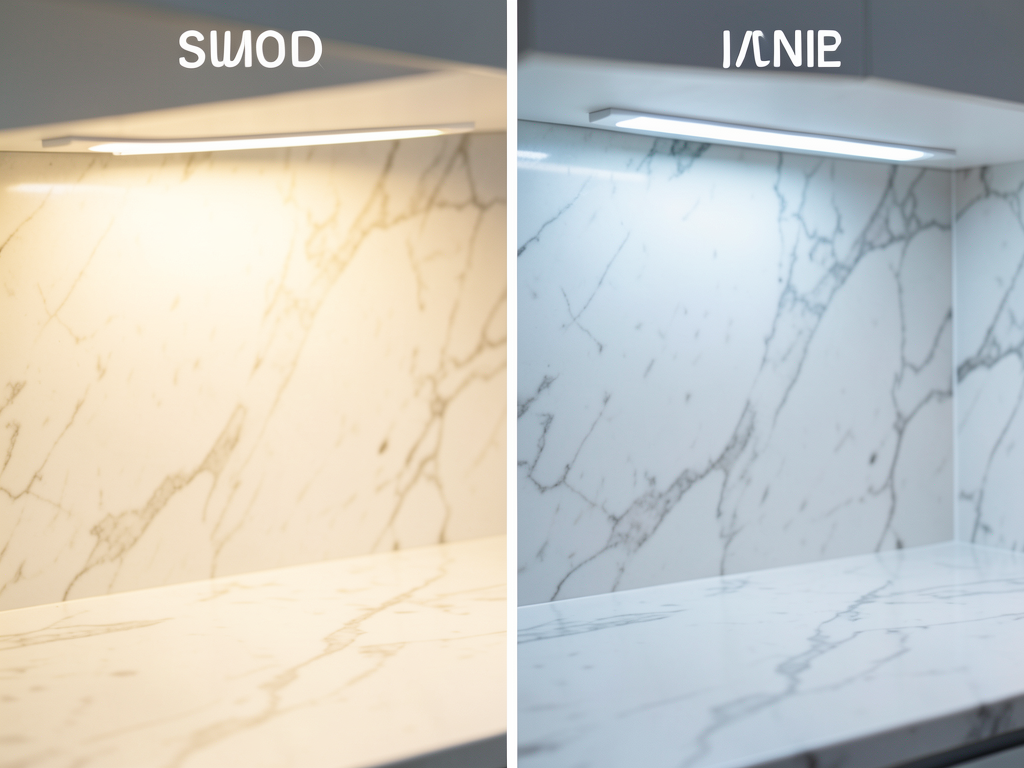
Color temperature measured in Kelvins determines whether your under cabinet lighting feels warm and cozy or bright and clinical. Most kitchens work best between 2700K and 4000K. Lower numbers create warm yellowish light that complements wood cabinets and warm paint colors common in Mid-City Spanish Colonial homes.
Higher color temperatures around 3500K to 4000K produce neutral white light that makes food colors look accurate. This matters when you judge meat doneness or want vegetables to appear fresh. Some homeowners prefer 5000K daylight bulbs for maximum visibility but these can feel harsh and make warm wood tones look washed out.
Consistency across all fixtures prevents odd color shifts. Mixing warm puck lights with cool strip lights creates an unbalanced look. Professional designers often choose one temperature for all under cabinet lighting and use separate fixtures for accent lighting. This creates visual harmony while providing task-specific illumination where needed.
Color Rendering Index Determines Food Visibility
Color Rendering Index or CRI measures how accurately light shows true colors compared to natural sunlight. CRI ranges from 0 to 100 with higher numbers showing more accurate colors. For kitchen task lighting you want CRI 90 or higher to see subtle color differences in food preparation.
Low CRI lighting makes tomatoes look dull and gray instead of bright red. It hides bruises on fruit and makes it hard to tell when meat reaches proper doneness. Professional chefs insist on high CRI lighting because color judgment affects food quality and safety. Home cooks benefit from the same accuracy when preparing meals.
Most inexpensive LED strips and pucks have CRI around 80 which works for general lighting but fails for detailed tasks. Quality fixtures specify CRI on packaging and product specifications. The price difference between CRI 80 and CRI 90 lighting usually amounts to a few dollars per fixture but makes a huge difference in functionality.
California Title 24 Energy Requirements
California Title 24 building energy efficiency standards require high-efficacy lighting in new construction and major renovations. Under cabinet lighting must meet specific wattage limits per square foot and include dimming capabilities. These rules apply to Mid-City kitchen remodels and new construction projects. California Title 24 Building Energy Efficiency Standards.
JA8 compliance means fixtures meet California’s Joint Appendix 8 standards for high-efficacy lighting. This includes minimum lumens per watt ratings and specific color rendering requirements. Title 24 also mandates vacancy sensors or manual controls that prevent lights from staying on unnecessarily. Professional electricians understand these requirements and select compliant fixtures.
Energy compliance affects fixture selection and installation methods. Some plug-in systems cannot meet Title 24 standards while hardwired LED fixtures with dimming controls do qualify. The standards encourage LED technology which uses 75% less energy than traditional incandescent or halogen options. Over time this reduces electricity costs and environmental impact.
Installation Considerations for Different Backsplashes
Your backsplash material affects how under cabinet lighting performs. Glossy surfaces like glass tile or polished marble reflect light creating bright spots and potential glare. Matte finishes like tumbled stone or ceramic absorb light which may require higher output fixtures to achieve adequate brightness. Los Angeles Department of Building and Safety.
Natural stone backsplashes in Mid-City kitchens often include dramatic veining or color variations. High CRI lighting shows these details clearly while poor quality light makes patterns disappear. The mounting method also matters since stone requires different anchors than drywall or wood. Professional installation prevents damage to expensive materials.
Cabinet clearance affects light spread. Standard upper cabinets sit 18 inches above countertops which provides good light distribution. Some modern designs use floating shelves or open shelving that changes how light travels. In these cases you might need additional under shelf lighting or different fixture angles to eliminate shadows.
Smart Home Integration Options
Modern under cabinet lighting works with smart home systems for voice control and automation. Lutron Caseta and other systems let you control brightness and on/off timing through smartphone apps or voice assistants. This convenience helps when your hands are full during cooking or when you want lights to turn on automatically at sunset.. Read more about Smart home automation and Lutron lighting installers in Holmby Hills.
Smart dimmers replace standard wall switches and communicate with lighting fixtures through wireless protocols. Some systems learn your usage patterns and adjust automatically. Others integrate with motion sensors that turn lights on when you approach the counter and off when you leave. These features increase energy savings beyond basic Title 24 requirements.
Professional installation ensures smart systems work reliably. DIY setups often have compatibility issues between different brands or fail to meet electrical code requirements. Electricians can also install backup controls so you never lose basic light functions if the smart system fails. Installing a backup generator for your Hollywood Hills home before the next outage.
Cost Factors and Budget Planning
Under cabinet lighting costs vary widely based on fixture type, quality, and installation method. Basic plug-in LED strips start around $20 per linear foot while premium hardwired systems with dimming controls can exceed $100 per foot installed. Professional installation typically adds $75 to $150 per fixture for labor and materials.
Quality fixtures cost more upfront but last longer and perform better. Cheap LED strips often fail within two years while quality fixtures carry 5-year warranties. The electricity savings from efficient LED technology usually pays for the price difference within three to five years. Factor in the value of professional installation when comparing DIY kits to complete systems.
Hidden costs include electrical panel capacity, circuit additions, and smart home integration. Older Mid-City homes may need electrical upgrades to handle new lighting loads. Professional electricians assess your existing system and recommend necessary improvements during the planning phase.. Read more about Why your older home in Ladera Heights needs a dedicated circuit for that new induction range.
Maintenance and Troubleshooting
LED under cabinet lighting requires minimal maintenance compared to older technologies. Dust accumulation on lenses reduces light output over time. A monthly wipe with a damp cloth keeps fixtures performing at maximum brightness. Avoid harsh chemicals that can damage plastic lenses or finishes.
Common issues include flickering, dimming, or complete failure. Flickering often indicates loose connections or failing drivers. Dimming over time suggests LED degradation or power supply problems. Complete failure might mean a tripped breaker or failed fixture. Professional troubleshooting identifies whether repair or replacement makes more sense.
Warranty coverage varies by manufacturer and installer. Quality fixtures include 3 to 5-year warranties that cover defects and premature failure. Professional installation often includes labor warranties that protect your investment. Keep receipts and warranty information for future reference.
Making Your Final Selection
Choose LED strip lights when you want seamless modern lighting for even task illumination. Select puck lights for focused lighting on specific work areas or when you prefer dramatic light and shadow effects. Pick linear bar lights when you need maximum brightness or have high cabinets that require strong downward light.
Consider your backsplash material, cabinet style, and how you use your kitchen when making decisions. Glossy surfaces need careful fixture selection to prevent glare while matte finishes may require higher output. Professional designers can create lighting plans that balance task needs with aesthetic goals.
Professional installation ensures code compliance, proper wiring, and optimal performance. The small additional cost compared to DIY installation provides peace of mind and prevents expensive mistakes. Your kitchen deserves lighting that works perfectly for years to come.
Frequently Asked Questions
How long do LED under cabinet lights last?
Quality LED fixtures typically last 30,000 to 50,000 hours. Used 3 hours daily this equals 27 to 45 years of service. Heat management and quality components determine actual lifespan.
Can I install under cabinet lighting myself?
Plug-in systems offer DIY options but hardwired installation requires a licensed electrician. DIY wiring violates electrical codes and creates fire hazards. Professional installation ensures safety and code compliance.. Read more about How to plan the electrical layout for a high-end restaurant in Sawtelle.
What color temperature is best for kitchen under cabinet lighting?
Most kitchens work best between 2700K and 4000K. Lower temperatures create warm ambiance while higher temperatures provide accurate color rendering for food preparation. Choose based on your cabinet colors and personal preference.
How much does professional under cabinet lighting installation cost?
Installation costs range from $75 to $150 per fixture plus the cost of fixtures. A typical kitchen with 15 linear feet of lighting might cost $800 to $1,500 installed depending on fixture quality and electrical requirements.
Do under cabinet lights need a special switch?
Standard switches work but dimmers provide better control. Smart switches add automation features. Title 24 requires dimming capability for new installations. Professional electricians can install appropriate switching options.
Ready to Upgrade Your Mid-City Kitchen Lighting?
Professional under cabinet lighting installation transforms your kitchen into a bright, functional workspace that makes cooking safer and more enjoyable. The right lighting choice depends on your specific needs, cabinet layout, and backsplash materials.
Elite Electricians Los Angeles serves Mid-City and surrounding neighborhoods including Beverly Grove and West Adams. Our licensed electricians understand California Title 24 requirements and can recommend fixtures that meet energy codes while providing the perfect light for your kitchen tasks. Upgrading your Beverly Hills estate to a 400 amp electrical service.
Call us today at (213) 277-8815 to schedule a free consultation. We’ll assess your current electrical system, discuss your lighting goals, and provide a detailed quote for professional installation. Don’t settle for dim, outdated kitchen lighting when modern LED solutions can make your space brighter and more functional.
Whether you’re remodeling your Mid-City kitchen or just want to upgrade your existing lighting, we have the expertise to get the job done right. Our work comes with warranties on both fixtures and installation labor. Let us help you choose between different types of under cabinet lighting and create the perfect lighting plan for your home.
You may also find this helpful. How to boost your Brentwood home’s curb appeal with professional landscape lighting.
{
“@context”: “https://schema.org”,
“@type”: “BlogPosting”,
“headline”: “How to choose between different types of under cabinet lighting for your Mid-City kitchen”,
“description”: “Compare LED tape, puck, and bar lights for your Mid-City kitchen. Learn about color temps, CRI ratings, and California Title 24 compliance for perfect under cabinet lighting.”,
“wordCount”: 2344,
“datePublished”: “2026-04-19T10:06:00.000Z”,
“dateModified”: “2026-04-19T10:06:00.000Z”,
“inLanguage”: “en-US”,
“mainEntityOfPage”: {
“@type”: “WebPage”,
“@id”: “https://eliteelectricianslosangeles.com”
},
“publisher”: {
“@type”: “LocalBusiness”,
“name”: “Elite Electricians Los Angeles”,
“url”: “https://eliteelectricianslosangeles.com”
},
“author”: {
“@type”: “Organization”,
“name”: “Elite Electricians Los Angeles”,
“url”: “https://eliteelectricianslosangeles.com”
},
“image”: {
“@type”: “ImageObject”,
“url”: “https://eliteelectricianslosangeles.com/wp-content/uploads/2026/03/how-to-choose-between-different-types-of-under-cab-1.png”
}
}
{
“@context”: “https://schema.org”,
“@type”: “Electrician”,
“name”: “Elite Electricians Los Angeles”,
“url”: “https://eliteelectricianslosangeles.com”,
“address”: {
“@type”: “PostalAddress”,
“addressLocality”: “Los Angeles”
},
“areaServed”: {
“@type”: “City”,
“name”: “Los Angeles”
}
}
{
“@context”: “https://schema.org”,
“@type”: “FAQPage”,
“mainEntity”: [
{
“@type”: “Question”,
“name”: “How long do LED under cabinet lights last?”,
“acceptedAnswer”: {
“@type”: “Answer”,
“text”: “Quality LED fixtures typically last 30,000 to 50,000 hours. Used 3 hours daily this equals 27 to 45 years of service. Heat management and quality components determine actual lifespan.”
}
},
{
“@type”: “Question”,
“name”: “Can I install under cabinet lighting myself?”,
“acceptedAnswer”: {
“@type”: “Answer”,
“text”: “Plug-in systems offer DIY options but hardwired installation requires a licensed electrician. DIY wiring violates electrical codes and creates fire hazards. Professional installation ensures safety and code compliance.”
}
},
{
“@type”: “Question”,
“name”: “What color temperature is best for kitchen under cabinet lighting?”,
“acceptedAnswer”: {
“@type”: “Answer”,
“text”: “Most kitchens work best between 2700K and 4000K. Lower temperatures create warm ambiance while higher temperatures provide accurate color rendering for food preparation. Choose based on your cabinet colors and personal preference.”
}
},
{
“@type”: “Question”,
“name”: “How much does professional under cabinet lighting installation cost?”,
“acceptedAnswer”: {
“@type”: “Answer”,
“text”: “Installation costs range from $75 to $150 per fixture plus the cost of fixtures. A typical kitchen with 15 linear feet of lighting might cost $800 to $1,500 installed depending on fixture quality and electrical requirements.”
}
},
{
“@type”: “Question”,
“name”: “Do under cabinet lights need a special switch?”,
“acceptedAnswer”: {
“@type”: “Answer”,
“text”: “Standard switches work but dimmers provide better control. Smart switches add automation features. Title 24 requires dimming capability for new installations. Professional electricians can install appropriate switching options.”
}
},
{
“@type”: “Question”,
“name”: “Ready to Upgrade Your Mid-City Kitchen Lighting?”,
“acceptedAnswer”: {
“@type”: “Answer”,
“text”: “Professional under cabinet lighting installation transforms your kitchen into a bright, functional workspace that makes cooking safer and more enjoyable. The right lighting choice depends on your specific needs, cabinet layout, and backsplash materials.”
}
}
]
}
{
“@context”: “https://schema.org”,
“@type”: “BreadcrumbList”,
“itemListElement”: [
{
“@type”: “ListItem”,
“position”: 1,
“name”: “Home”,
“item”: “https://eliteelectricianslosangeles.com”
},
{
“@type”: “ListItem”,
“position”: 2,
“name”: “Blog”,
“item”: “https://eliteelectricianslosangeles.com/blog”
},
{
“@type”: “ListItem”,
“position”: 3,
“name”: “How to choose between different types of under cabinet lighting for your Mid-City kitchen”
}
]
}
{
“@context”: “https://schema.org”,
“@type”: “Service”,
“serviceType”: “Electricians”,
“provider”: {
“@type”: “LocalBusiness”,
“name”: “Elite Electricians Los Angeles”,
“url”: “https://eliteelectricianslosangeles.com”
},
“areaServed”: {
“@type”: “City”,
“name”: “Los Angeles”
},
“description”: “Compare LED tape, puck, and bar lights for your Mid-City kitchen. Learn about color temps, CRI ratings, and California Title 24 compliance for perfect under cabinet lighting.”
}