
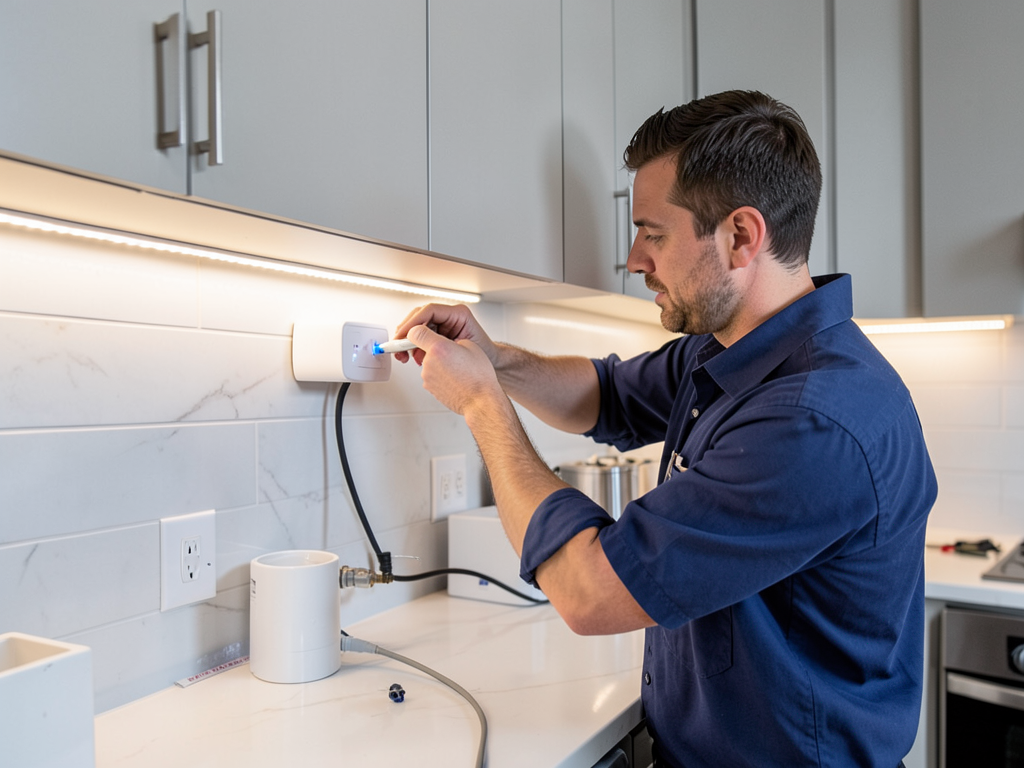
Choosing the right dimmers for your new high-end LED fixtures in Atwater Village
Installing high-end LED fixtures in your Atwater Village home brings modern style and energy efficiency. But many homeowners discover their new lights flicker or buzz when connected to standard dimmers. This happens because LED technology works differently than traditional incandescent bulbs. The wrong dimmer can cause annoying problems or even damage your expensive fixtures. Installing a backup generator for your Hollywood Hills home before the next outage.
Atwater Village features many mid-century modern homes with updated interiors. These houses often have unique lighting designs that require specialized dimming solutions. Understanding the technical differences between dimmer types helps you make the right choice for your specific fixtures and wiring setup. Safely Wiring Your New Pool or Hot Tub in Encino.
Why standard dimmers fail with LED bulbs
Traditional dimmers use TRIAC technology designed for incandescent bulbs. They reduce voltage by cutting the electrical waveform. LED fixtures need constant current and use electronic drivers to convert AC power. When a standard dimmer tries to control LED current, it creates an unstable signal that causes flickering, buzzing, or complete failure to dim. Electrical Inglewood.
LED dimming requires either forward-phase or reverse-phase control. Forward-phase works like traditional dimming but at higher frequencies. Reverse-phase sends the voltage at the beginning of each cycle. Many high-end LEDs need reverse-phase dimming to function properly without noise or flicker.. Read more about How to plan the electrical layout for a high-end restaurant in Sawtelle.
Another issue involves minimum load requirements. Standard dimmers need enough wattage to operate. A single LED bulb might not draw enough power to keep the dimmer circuit active. This creates a situation where the dimmer cannot maintain a stable connection to the light.
Top dimmer types for LED lighting
Electronic Low Voltage (ELV) dimmers work best for most LED fixtures. These dimmers use trailing-edge technology that matches LED driver requirements. They provide smooth dimming without the buzz or flicker common with standard switches.
Magnetic Low Voltage (MLV) dimmers serve specific applications. They handle transformers used in some LED fixtures. MLV dimmers cost more but offer superior performance for compatible systems.
Universal dimmers attempt to work with both ELV and MLV loads. While convenient, they often compromise performance. Dedicated ELV dimmers typically provide better results for pure LED installations.
Smart dimmers add WiFi or Bluetooth control. Popular brands include Lutron Caseta, Leviton Decora Smart, and TP-Link Kasa. These allow smartphone control and integration with voice assistants like Alexa or Google Home.. Read more about Comparing Lutron and Leviton smart switches for your new home office in Leimert Park.
California Title 24 compliance for LED upgrades
California Title 24 sets strict energy efficiency standards for residential lighting. The code requires high-efficacy fixtures in most new installations. This means your LED fixtures must meet specific lumens-per-watt ratios. California Title 24 Energy Code.
Title 24 also mandates automatic shutoff controls in certain areas. Bathrooms, garages, and utility rooms need vacancy sensors or manual-on occupancy sensors. These requirements affect dimmer selection and installation locations.. Read more about Navigating the New Title 24 Lighting Requirements for Your Los Angeles Remodel.
The California Energy Commission Joint Appendix 8 (JA8) lists approved LED fixtures for Title 24 compliance. Using non-compliant fixtures can cause inspection failures and require costly replacements. Professional electricians understand these requirements and can ensure your installation passes inspection.
Atwater Village homes undergoing major renovations must comply with current Title 24 standards. This includes lighting upgrades in kitchens, bathrooms, and any room where electrical work requires a permit.
Compatibility guide: leading-edge vs trailing-edge dimmers
Leading-edge dimmers work with resistive loads like incandescent bulbs. They cut the front portion of the electrical waveform. These dimmers create electromagnetic interference that causes LED flicker and buzz.
Trailing-edge dimmers cut the back portion of the waveform. This approach matches LED driver electronics perfectly. Most quality LED dimmers use trailing-edge technology for smooth operation.
Check your fixture specifications before purchasing dimmers. Some high-end LEDs require specific dimming protocols. Using the wrong type can void warranties or cause permanent damage to expensive fixtures.
Load matching becomes critical with LED systems. Calculate total wattage carefully. Many LED fixtures list both actual wattage and equivalent incandescent wattage. Use the actual wattage for dimmer calculations.
Neutral wire requirements vary by dimmer type. Older Atwater Village homes often lack neutral wires at switch locations. This limitation affects dimmer choices and may require rewiring for optimal performance.
Smart dimmers vs manual dimmers: which is best for your home?
Smart dimmers offer convenience features that manual switches cannot match. You can control lights from anywhere using smartphone apps. Many integrate with home automation systems for scene programming and scheduling.
Manual dimmers provide reliable operation without WiFi dependency. They work during power outages and network failures. Installation costs typically run lower than smart alternatives.
Consider your lifestyle when choosing between options. Tech-savvy homeowners often prefer smart controls. Those wanting simple reliability might choose quality manual dimmers instead.
Installation complexity differs between types. Smart dimmers often need neutral wires and sometimes require additional setup steps. Manual dimmers install more quickly but offer fewer features.
Cost factors extend beyond initial purchase price. Smart dimmers may save energy through scheduling and occupancy sensing. However, they require ongoing software updates and occasional replacement as technology evolves.
Professional installation vs DIY: safety and code considerations
Electrical work carries serious risks. Incorrect wiring can cause fires, electrical shocks, or equipment damage. California law requires permits for most electrical modifications in residential properties.
Professional electricians understand local building codes and Title 24 requirements. They can identify potential issues before installation begins. This expertise prevents costly mistakes and ensures code compliance.
DIY installation might seem cost-effective initially. However, mistakes often lead to higher expenses. Failed inspections, damaged fixtures, or fire hazards create expenses that far exceed professional installation costs.
Older Atwater Village homes present unique challenges. Knob and tube wiring, aluminum conductors, or missing grounds require special handling. Licensed electricians have the training to work safely with these systems.
Warranty protection often requires professional installation. Many high-end LED manufacturers void warranties if electrical work does not meet code standards. This protection matters when investing in expensive fixtures.
Common LED dimming problems and solutions
Flickering represents the most frequent complaint with LED dimming. This usually indicates incompatible dimmer or fixture combinations. Switching to an ELV dimmer often resolves the issue immediately.
Buzzing sounds from dimmers or fixtures suggest electrical interference. This occurs when leading-edge dimmers attempt to control LED loads. Upgrading to trailing-edge technology eliminates most buzzing problems. Upgrading your Beverly Hills estate to a 400 amp electrical service.
Ghosting happens when LEDs emit faint light even when switched off. This occurs due to small current leakage through standard dimmers. ELV dimmers include features to prevent this phenomenon.
Inconsistent dimming across multiple fixtures indicates load balancing issues. Mixing different LED brands or types on one circuit can cause this problem. Using matched fixtures and proper dimmer ratings solves most balancing issues.
Complete failure to dim often results from insufficient minimum load. Adding more fixtures to the circuit or using dimmers designed for low-wattage LED loads typically resolves this issue.
Load capacity calculations for LED circuits
Calculate total fixture wattage before selecting dimmers. Add up the actual wattage of all LEDs on the circuit. This number must fall within the dimmer’s rated range.
Many dimmers list both minimum and maximum loads. Operating near either extreme can cause performance issues. Aim for the middle third of the dimmer’s capacity range for optimal results.
LED drivers may have different power factors than traditional bulbs. This affects actual power draw and can impact dimmer performance. Quality dimmers account for these differences automatically.
Consider future expansion when sizing dimmers. Installing dimmers with extra capacity allows for adding fixtures later without replacement. This planning prevents costly upgrades down the road.
Heat dissipation becomes important with high-wattage dimming. Ensure dimmer boxes have adequate ventilation. Overheating can cause premature failure or create fire hazards in enclosed spaces. Los Angeles Department of Water and Power.
Recommended dimmer brands and models
Lutron Diva C-L series dimmers rank among the most reliable for LED applications. These dimmers handle various LED types and provide smooth operation across wide dimming ranges. They work well in most Atwater Village home applications.
Leviton Decora Smart dimmers offer excellent WiFi integration. The IPV05-1LW model provides reliable performance with major LED brands. These dimmers include neutral wire requirements but offer extensive smart home features.
Lutron Caseta smart dimmers provide professional-grade reliability. The PD-6WCL model works with most LED fixtures and integrates seamlessly with major smart home platforms. These dimmers require neutral wires but offer exceptional stability.
Pass & Seymour Harmony Tru-Universal dimmers claim compatibility with any load type. While versatile, they sometimes compromise on specific LED performance aspects. These work well for mixed lighting applications.
Check manufacturer compatibility lists before purchasing. LED fixture brands often recommend specific dimmer models for optimal performance. Following these recommendations prevents many common issues.
Installation considerations for Atwater Village homes
Atwater Village features many homes built between 1920 and 1960. These properties often have outdated electrical systems that require careful evaluation before dimmer installation. Knob and tube wiring cannot support modern dimmer switches safely.
Wall box depth affects dimmer selection. Many older homes have shallow electrical boxes that cannot accommodate larger smart dimmers. This limitation may require box replacement or choosing more compact models.
Grounding requirements vary by installation type. Modern dimmers need proper grounding for safety and performance. Older two-wire systems may require grounding upgrades before installing new dimmers.
Permit requirements apply to most electrical modifications in Los Angeles. Professional electricians handle permit acquisition and ensure all work meets current code standards. This process protects homeowners from potential liability issues.
Neighborhood electrical infrastructure in Atwater Village generally supports modern LED loads. However, some areas may experience voltage fluctuations that affect dimmer performance. Quality dimmers include features to handle these variations.
Cost factors for dimmer installation in Los Angeles
Professional dimmer installation costs vary based on several factors. Basic manual dimmer replacement typically runs between $150 and $250 per switch. This includes labor, materials, and basic testing.
Smart dimmer installation costs more due to additional complexity. Expect to pay $250 to $400 per switch for WiFi-enabled models. These prices include setup and basic integration with your home network.
Older home wiring upgrades increase costs significantly. Adding neutral wires or replacing outdated boxes can add $300 to $600 per location. These improvements ensure safe, reliable operation of modern dimmers.
Permit fees for electrical work in Los Angeles typically range from $75 to $200 depending on project scope. Professional electricians include these costs in their quotes and handle all required inspections.
Quality dimmers represent a small portion of total installation costs. Most of your investment goes toward professional labor and ensuring code compliance. This approach provides better long-term value than choosing cheaper options.
Maintenance and troubleshooting for LED dimming systems
LED dimming systems require minimal maintenance under normal conditions. However, occasional issues may arise that require attention. Understanding basic troubleshooting helps identify when professional service becomes necessary.
Software updates for smart dimmers occasionally improve performance or add features. Check manufacturer websites quarterly for available updates. Some systems update automatically when connected to WiFi.
Physical connections can loosen over time due to thermal cycling. If you notice intermittent operation, check that all wire connections remain tight. Turn off power at the breaker before inspecting any connections.
Electromagnetic interference from nearby devices can affect dimmer performance. Microwaves, cordless phones, or WiFi routers may cause occasional flickering. Relocating these devices or upgrading to better-shielded dimmers often resolves interference issues.
LED driver failure can mimic dimmer problems. If multiple dimmers exhibit similar symptoms, the issue may lie with the fixtures rather than the controls. Professional diagnosis helps identify the actual source of problems.
Future trends in LED dimming technology
Dimming technology continues evolving to meet changing lighting needs. Manufacturers develop new protocols that improve LED compatibility and performance. Understanding these trends helps inform long-term investment decisions.
Digital addressable lighting interface (DALI) systems offer enhanced control capabilities. These protocols allow individual fixture control and sophisticated scene programming. While currently expensive, prices continue falling as adoption increases.
Wireless mesh networking improves smart dimmer reliability. New systems use redundant communication paths to prevent single points of failure. This technology enhances performance in homes with challenging WiFi environments.
Artificial intelligence integration enables predictive lighting control. Smart systems learn usage patterns and automatically adjust lighting for comfort and efficiency. These features become standard in premium systems over the next few years.
Energy harvesting technology may eliminate some wiring requirements. Kinetic switches that generate power from button presses are already available. This technology could simplify installation in challenging retrofit situations. Is Your Sherman Oaks Home Ready for a 200 Amp Panel Upgrade?.
Making the right choice for your Atwater Village home
Selecting the right dimmers requires balancing multiple factors. Consider your fixture types, wiring conditions, smart home goals, and budget constraints. Professional consultation helps identify the optimal solution for your specific situation.
Quality matters more than price when selecting dimmers. Cheap dimmers often cause frustration and may damage expensive LED fixtures. Investing in quality controls prevents problems and ensures reliable operation for years.
Professional installation provides peace of mind and ensures code compliance. The small additional cost compared to DIY often saves money by preventing mistakes and ensuring proper operation from day one.
Your lighting choices affect home comfort and energy efficiency. Proper dimming extends LED life, reduces energy consumption, and creates the perfect ambiance for your Atwater Village home. Making informed decisions now prevents problems later.
Ready to upgrade your lighting control system? Contact our licensed electricians for a professional assessment of your Atwater Village home’s dimming needs. We understand local building codes, Title 24 requirements, and the specific challenges of older Los Angeles homes. Call us today to schedule your consultation and take the first step toward perfect lighting control.
Frequently Asked Questions
Why do my new LED lights flicker when dimmed?
Flickering usually indicates incompatible dimmer and LED combinations. Standard dimmers designed for incandescent bulbs cannot properly control LED drivers. Switching to an ELV (Electronic Low Voltage) dimmer specifically designed for LEDs typically resolves flickering issues immediately.
Do I need a permit to install new dimmers in my Atwater Village home?
Most electrical modifications in Los Angeles require permits, including dimmer installations. This ensures work meets current building codes and safety standards. Professional electricians handle permit acquisition and required inspections as part of their service.
Can I install smart dimmers in my older Atwater Village home?
Smart dimmers often need neutral wires, which many older homes lack. However, some smart dimmers work without neutrals. A professional electrician can assess your wiring and recommend compatible options or necessary upgrades for optimal smart dimmer performance.
How much does professional dimmer installation cost in Los Angeles?
Basic manual dimmer installation typically costs $150 to $250 per switch. Smart dimmer installation runs $250 to $400 per switch. Additional costs apply for wiring upgrades or permits. These prices ensure proper installation and code compliance.
{
“@context”: “https://schema.org”,
“@type”: “BlogPosting”,
“headline”: “Choosing the right dimmers for your new high-end LED fixtures in Atwater Village”,
“description”: “Find the perfect dimmers for your LED lights in Atwater Village. Learn about ELV vs MLV, Title 24 compliance, and professional installation from LA experts.”,
“wordCount”: 2469,
“datePublished”: “2026-05-07T05:56:00.000Z”,
“dateModified”: “2026-05-07T05:56:00.000Z”,
“inLanguage”: “en-US”,
“mainEntityOfPage”: {
“@type”: “WebPage”,
“@id”: “https://eliteelectricianslosangeles.com”
},
“publisher”: {
“@type”: “LocalBusiness”,
“name”: “Elite Electricians Los Angeles”,
“url”: “https://eliteelectricianslosangeles.com”
},
“author”: {
“@type”: “Organization”,
“name”: “Elite Electricians Los Angeles”,
“url”: “https://eliteelectricianslosangeles.com”
},
“image”: {
“@type”: “ImageObject”,
“url”: “https://eliteelectricianslosangeles.com/wp-content/uploads/2026/03/choosing-the-right-dimmers-for-your-new-high-end-l-1.png”
}
}
{
“@context”: “https://schema.org”,
“@type”: “Electrician”,
“name”: “Elite Electricians Los Angeles”,
“url”: “https://eliteelectricianslosangeles.com”,
“address”: {
“@type”: “PostalAddress”,
“addressLocality”: “Los Angeles”
},
“areaServed”: {
“@type”: “City”,
“name”: “Los Angeles”
}
}
{
“@context”: “https://schema.org”,
“@type”: “FAQPage”,
“mainEntity”: [
{
“@type”: “Question”,
“name”: “Smart dimmers vs manual dimmers: which is best for your home?”,
“acceptedAnswer”: {
“@type”: “Answer”,
“text”: “Smart dimmers offer convenience features that manual switches cannot match. You can control lights from anywhere using smartphone apps. Many integrate with home automation systems for scene programming and scheduling.”
}
},
{
“@type”: “Question”,
“name”: “Why do my new LED lights flicker when dimmed?”,
“acceptedAnswer”: {
“@type”: “Answer”,
“text”: “Flickering usually indicates incompatible dimmer and LED combinations. Standard dimmers designed for incandescent bulbs cannot properly control LED drivers. Switching to an ELV (Electronic Low Voltage) dimmer specifically designed for LEDs typically resolves flickering issues immediately.”
}
},
{
“@type”: “Question”,
“name”: “Do I need a permit to install new dimmers in my Atwater Village home?”,
“acceptedAnswer”: {
“@type”: “Answer”,
“text”: “Most electrical modifications in Los Angeles require permits, including dimmer installations. This ensures work meets current building codes and safety standards. Professional electricians handle permit acquisition and required inspections as part of their service.”
}
},
{
“@type”: “Question”,
“name”: “Can I install smart dimmers in my older Atwater Village home?”,
“acceptedAnswer”: {
“@type”: “Answer”,
“text”: “Smart dimmers often need neutral wires, which many older homes lack. However, some smart dimmers work without neutrals. A professional electrician can assess your wiring and recommend compatible options or necessary upgrades for optimal smart dimmer performance.”
}
},
{
“@type”: “Question”,
“name”: “How much does professional dimmer installation cost in Los Angeles?”,
“acceptedAnswer”: {
“@type”: “Answer”,
“text”: “Basic manual dimmer installation typically costs $150 to $250 per switch. Smart dimmer installation runs $250 to $400 per switch. Additional costs apply for wiring upgrades or permits. These prices ensure proper installation and code compliance.”
}
}
]
}
{
“@context”: “https://schema.org”,
“@type”: “BreadcrumbList”,
“itemListElement”: [
{
“@type”: “ListItem”,
“position”: 1,
“name”: “Home”,
“item”: “https://eliteelectricianslosangeles.com”
},
{
“@type”: “ListItem”,
“position”: 2,
“name”: “Blog”,
“item”: “https://eliteelectricianslosangeles.com/blog”
},
{
“@type”: “ListItem”,
“position”: 3,
“name”: “Choosing the right dimmers for your new high-end LED fixtures in Atwater Village”
}
]
}
{
“@context”: “https://schema.org”,
“@type”: “Service”,
“serviceType”: “Electricians”,
“provider”: {
“@type”: “LocalBusiness”,
“name”: “Elite Electricians Los Angeles”,
“url”: “https://eliteelectricianslosangeles.com”
},
“areaServed”: {
“@type”: “City”,
“name”: “Los Angeles”
},
“description”: “Find the perfect dimmers for your LED lights in Atwater Village. Learn about ELV vs MLV, Title 24 compliance, and professional installation from LA experts.”
}