
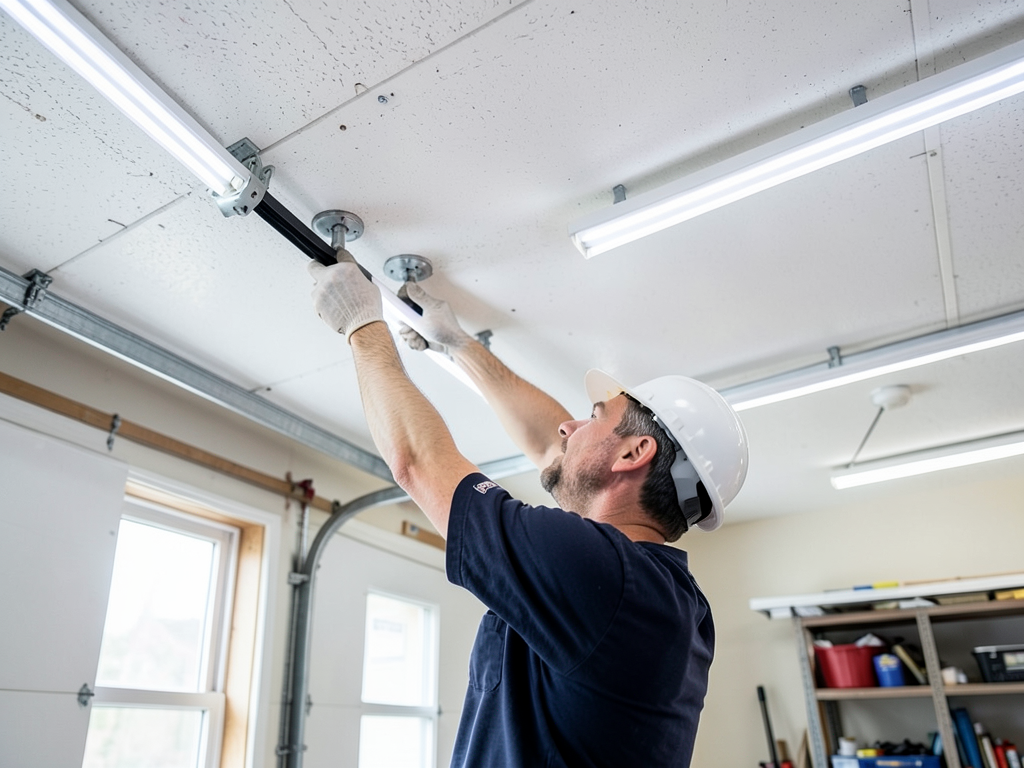
Brighter ways to light up a dark garage in Westchester without doing a full remodel
Garages in Westchester often serve as more than just parking spaces. Homeowners use them as workshops, gyms, or storage areas. Many of these spaces suffer from poor lighting. This leaves them dark and uninviting. The good news is that you can brighten a garage without tearing down walls or doing a major remodel.
The first step is understanding why your garage feels dark. Most garages have just one or two overhead bulbs. These often use old incandescent or fluorescent technology. They produce weak light and waste energy. In Westchester’s coastal climate, humidity can also cause corrosion on fixtures. This makes lighting even dimmer over time.
Before you buy anything, think about how you use your garage. Do you work on cars? Do you store tools? Do you need to see clearly for safety? Each use case needs a different lighting approach. A workbench needs bright, focused light. A storage area needs even, general light. A car display area might need accent lighting.
Let’s look at practical ways to improve your garage lighting. These ideas work for most Westchester homes. They do not require major construction. They also follow California Title 24 energy codes. California Title 24 Energy Code.
Start with LED shop lights
LED shop lights are the fastest way to brighten a garage. They come in long, narrow fixtures that mount to the ceiling. You can find them in 4-foot lengths. They use a fraction of the power of old fluorescent tubes. They also last much longer.
Look for lights with at least 4000 lumens per fixture. This gives you enough brightness for most garage tasks. Choose a color temperature of 5000K. This is a cool white light that helps you see details clearly. It also makes the space feel more open.
Mount these lights in rows across the ceiling. Space them so the light overlaps slightly. This prevents dark spots. If your garage has exposed rafters, you can hang the lights with chains. This gives you flexibility to aim the light where you need it.
Add motion sensors for convenience
Motions sensors are a smart addition to garage lighting. They turn lights on when you enter and off when you leave. This saves energy and adds convenience. You do not have to fumble for a switch in the dark.
Choose sensors that work in cold temperatures. Some cheaper models fail in winter. Look for ones with adjustable timers. This lets you set how long the light stays on after you leave. Some advanced sensors also have daylight detection. They will not turn on if there is enough natural light.
You can add motion sensors to existing lights. This is a simple upgrade that an electrician can do in an hour. You can also buy new fixtures with built-in sensors.
Use task lighting for work areas
General overhead light is not enough for detailed work. You need bright, focused light for workbenches, tool areas, or car detailing. This is called task lighting.
LED clamp lights are a good choice. They attach to shelves or benches. You can aim them exactly where you need light. Look for models with adjustable arms. This gives you flexibility as your workspace changes.
Another option is under-cabinet LED strips. These mount under shelves or cabinets. They provide bright, even light for small tools or parts. They also work well for craft areas or hobby spaces.
Consider smart lighting controls
Smart lighting lets you control garage lights from your phone. You can set schedules, dim lights, or change colors. This adds convenience and can save energy.
Smart bulbs fit into existing fixtures. You can control them with an app or voice commands. Some work with Alexa, Google Home, or Apple HomeKit. You can set them to turn on at sunset or when you arrive home.
Smart switches replace your wall switches. They control all the lights on a circuit. This is better for larger installations. It also keeps the look of your garage clean and professional.
Upgrade to high-efficiency fixtures
If you want a more permanent solution, consider hardwired LED fixtures. These connect directly to your electrical system. They do not have cords or plugs. This gives a cleaner look and better reliability. Electrical Inglewood.
Look for fixtures with a high Color Rendering Index (CRI). This measures how accurately colors appear under the light. A CRI of 90 or higher is best for detailed work. It helps you see paint colors, tool marks, and small parts clearly.
Choose fixtures with a sealed design. This keeps out dust and moisture. It also makes them easier to clean. In Westchester’s humid climate, this is important for long-term performance.
Follow California Title 24 rules
California has strict energy codes for lighting. These are called Title 24. They require high-efficiency fixtures in new installations. They also limit how much energy you can use per square foot.
For garages, you need high-efficacy lighting. This means LEDs or other efficient technology. You cannot use incandescent bulbs in new work. You also need to control lights with switches or sensors. This prevents waste.
If you hire an electrician, they will know these rules. They will install fixtures that meet code. This is important for permits and inspections. It also saves you money on energy bills.
Calculate how much light you need
Garages need different amounts of light based on use. For general storage, aim for 50 lumens per square foot. For a workshop, you need 100 lumens per square foot. For detailed work like car repair, you need 200 lumens per square foot.
To find your total need, multiply your garage’s square footage by the lumens per square foot. For example, a 400-square-foot garage used as a workshop needs 40000 lumens total. If each LED shop light provides 4000 lumens, you need ten fixtures.
This calculation helps you buy the right amount of light. It also prevents you from overbuying or underbuying. Remember that light decreases with distance. You may need more fixtures if you have high ceilings.
Choose the right color temperature
Color temperature affects how a space feels. It is measured in Kelvins (K). Lower numbers are warmer and yellower. Higher numbers are cooler and bluer.
For garages, 5000K is usually best. This is a bright, neutral white. It helps you see colors accurately. It also feels energetic and clean. This is good for work and safety.
Avoid very warm light (2700K-3000K). This can make a space feel dim and yellow. Avoid very cool light (6500K-7000K). This can feel harsh and clinical. Stick with 5000K for the best balance.
Install lights in the right places
Where you put lights matters as much as what you buy. Place overhead lights to cover the entire floor. Avoid shadows from cars or shelves. Use multiple fixtures to create even light.
For work areas, add lights on the sides. This prevents your body from casting shadows on your work. For tool benches, place lights in front and to the sides. This gives you shadow-free light on your projects.
If you have a car lift or tall shelves, consider wall-mounted lights. These shine light where overhead lights cannot reach. They also add depth to the lighting design.
Consider energy savings
LED lights use much less power than old technology. A 4-foot LED shop light might use 40 watts. An old fluorescent tube might use 80 watts. This means you can install more LED lights for the same power use.
Over a year, this adds up to big savings. If you use your garage lights four hours a day, LEDs can save you $50-$100 per year. They also produce less heat. This keeps your garage cooler in summer.
Many utilities offer rebates for efficient lighting. Check with LADWP or your local provider. They may give you money back for upgrading to LEDs. Upgrading your Beverly Hills estate to a 400 amp electrical service.
DIY vs. professional installation
Some lighting upgrades are easy DIY projects. You can replace bulbs or plug in shop lights yourself. But other work needs a professional.
If you need new wiring, a dedicated circuit, or smart controls, call an electrician. They know how to do the work safely. They also know local codes and permit rules. Safely Wiring Your New Pool or Hot Tub in Encino.
Professional installation costs more upfront. But it prevents problems later. Bad wiring can cause fires or shocks. Code violations can stop a home sale. A pro gets it right the first time.
Plan for future needs
Think about how your garage might change. You might add a home gym or workshop later. Plan your lighting so it can grow with you.
Install extra electrical outlets now. This gives you flexibility later. Use dimmable lights so you can adjust brightness. Choose fixtures that work with smart controls. This makes future upgrades easier. Electrical Compton.
If you plan to sell your home, good garage lighting adds value. It makes the space more usable. It also shows buyers that the home is well-maintained.
Maintenance tips for long life
LED lights need very little maintenance. But a few simple steps keep them working well. Dust fixtures regularly. This prevents light loss from dirt buildup. Los Angeles Department of Water and Power.
Check for loose connections once a year. Vibrations from garage doors can loosen wires. Tighten any loose screws on fixtures. Replace any damaged lenses or covers.
If a light flickers or dims, do not ignore it. This can mean a loose connection or failing driver. Call an electrician to check it. Fixing small problems prevents bigger ones later.
Lighting for different garage uses
Different uses need different lighting. For car storage, you want even, bright light. This helps you see your car clearly. It also makes the space feel clean and organized.
For a workshop, you need bright task lighting. This helps you see details and work safely. Use 5000K light for the best color accuracy. Add under-cabinet lights for small tools.
For a home gym, you want bright but not harsh light. This keeps the space energetic. Use dimmable lights so you can adjust for different activities. Add motion sensors so lights come on when you enter.
For storage, you want even light throughout. This helps you find things easily. Use fewer lumens per square foot since you do not need detail work. Add motion sensors to save energy in areas you use less often.
Common mistakes to avoid
One mistake is using too few lights. One or two fixtures cannot light a whole garage well. Another mistake is using the wrong color temperature. Warm light makes a space feel dim.
Some people skip permits for new wiring. This can cause problems later. Always check local rules before starting electrical work. Another mistake is using indoor-rated fixtures in a garage. These can fail from moisture and dust. Electrical Long Beach.
Finally, do not ignore safety. Bad wiring or overloaded circuits can cause fires. If you are not sure about electrical work, hire a professional. It is not worth the risk.
Costs and budgeting
DIY lighting upgrades can cost as little as $100-$200. This covers a few LED shop lights and basic tools. Professional installation costs more. Expect to pay $500-$1500 for a complete garage lighting system.
The cost depends on your garage size and needs. It also depends on whether you need new wiring or circuits. Get quotes from several electricians. Compare their experience and reviews, not just price.
Remember that good lighting is an investment. It makes your garage more usable. It can also prevent accidents and save energy. Over time, it pays for itself.
Getting started
Start by assessing your current lighting. Make a list of dark areas and how you use each space. Decide what type of lighting you need for each area.
Set a budget based on your needs. If you plan to DIY, research products and read reviews. If you plan to hire a pro, get quotes and check licenses.
Make a plan before you buy anything. This prevents mistakes and wasted money. Draw a simple diagram of your garage. Mark where you want lights and what type you need.
Finally, be patient. Good lighting takes planning and sometimes trial and error. But the results are worth it. A well-lit garage is safer, more useful, and more enjoyable.
Frequently Asked Questions
How many lumens do I need for my garage?
For general storage, aim for 50 lumens per square foot. For workshops, use 100 lumens per square foot. For detailed work, use 200 lumens per square foot. Calculate your total need by multiplying your garage’s square footage by the lumens per square foot.
Can I install LED shop lights myself?
Yes, if you are comfortable with basic electrical work. Plug-in models are the easiest. For hardwired fixtures, you need to know how to work with electrical circuits. If you are not sure, hire a licensed electrician.
Do I need a permit for new garage lighting?
If you are just replacing bulbs or plugging in new fixtures, you do not need a permit. If you are adding new wiring, circuits, or hardwired fixtures, you likely need a permit. Check with your local building department or hire a licensed electrician who will handle permits.
What is the best color temperature for garage lighting?
5000K is usually best for garages. It provides bright, neutral white light that helps you see colors accurately. It also makes the space feel clean and energetic. Avoid very warm or very cool light for general use.
How long do LED garage lights last?
Quality LED fixtures last 25000-50000 hours. If you use them four hours a day, that is 17-34 years of life. They also come with warranties of 3-5 years. This makes them much more reliable than old technology.
Should I use smart lighting in my garage?
Smart lighting adds convenience and can save energy. It lets you control lights from your phone and set schedules. For garages, it is especially useful for motion-activated lights and remote control when you are not home. It is worth considering if you use your garage often.
What if my garage has high ceilings?
High ceilings need more powerful lights or more fixtures. LED shop lights work well, but you may need ones with higher lumen output. You can also use hanging fixtures with chains to position lights closer to work areas. Wall-mounted lights can help fill in shadows.
How do I choose between plug-in and hardwired fixtures?
Plug-in fixtures are easier to install and move. They work well for renters or temporary setups. Hardwired fixtures give a cleaner look and are more permanent. They are better for finished garages or if you plan to stay long-term. Consider your needs and whether you want to do electrical work.
{
“@context”: “https://schema.org”,
“@type”: “BlogPosting”,
“headline”: “Brighter ways to light up a dark garage in Westchester without doing a full remodel”,
“description”: “Discover smart garage lighting ideas for Westchester homes that boost brightness without major renovations. Get expert tips on LED upgrades, Title 24 compliance, and professional installation.”,
“wordCount”: 2476,
“datePublished”: “2026-06-06T11:58:00.000Z”,
“dateModified”: “2026-06-06T11:58:00.000Z”,
“inLanguage”: “en-US”,
“mainEntityOfPage”: {
“@type”: “WebPage”,
“@id”: “https://eliteelectricianslosangeles.com”
},
“publisher”: {
“@type”: “LocalBusiness”,
“name”: “Elite Electricians Los Angeles”,
“url”: “https://eliteelectricianslosangeles.com”
},
“author”: {
“@type”: “Organization”,
“name”: “Elite Electricians Los Angeles”,
“url”: “https://eliteelectricianslosangeles.com”
},
“image”: {
“@type”: “ImageObject”,
“url”: “https://eliteelectricianslosangeles.com/wp-content/uploads/2026/03/brighter-ways-to-light-up-a-dark-garage-in-westche-1.png”
}
}
{
“@context”: “https://schema.org”,
“@type”: “Electrician”,
“name”: “Elite Electricians Los Angeles”,
“url”: “https://eliteelectricianslosangeles.com”,
“address”: {
“@type”: “PostalAddress”,
“addressLocality”: “Los Angeles”
},
“areaServed”: {
“@type”: “City”,
“name”: “Los Angeles”
}
}
{
“@context”: “https://schema.org”,
“@type”: “FAQPage”,
“mainEntity”: [
{
“@type”: “Question”,
“name”: “How many lumens do I need for my garage?”,
“acceptedAnswer”: {
“@type”: “Answer”,
“text”: “For general storage, aim for 50 lumens per square foot. For workshops, use 100 lumens per square foot. For detailed work, use 200 lumens per square foot. Calculate your total need by multiplying your garage’s square footage by the lumens per square foot.”
}
},
{
“@type”: “Question”,
“name”: “Can I install LED shop lights myself?”,
“acceptedAnswer”: {
“@type”: “Answer”,
“text”: “Yes, if you are comfortable with basic electrical work. Plug-in models are the easiest. For hardwired fixtures, you need to know how to work with electrical circuits. If you are not sure, hire a licensed electrician.”
}
},
{
“@type”: “Question”,
“name”: “Do I need a permit for new garage lighting?”,
“acceptedAnswer”: {
“@type”: “Answer”,
“text”: “If you are just replacing bulbs or plugging in new fixtures, you do not need a permit. If you are adding new wiring, circuits, or hardwired fixtures, you likely need a permit. Check with your local building department or hire a licensed electrician who will handle permits.”
}
},
{
“@type”: “Question”,
“name”: “What is the best color temperature for garage lighting?”,
“acceptedAnswer”: {
“@type”: “Answer”,
“text”: “5000K is usually best for garages. It provides bright, neutral white light that helps you see colors accurately. It also makes the space feel clean and energetic. Avoid very warm or very cool light for general use.”
}
},
{
“@type”: “Question”,
“name”: “How long do LED garage lights last?”,
“acceptedAnswer”: {
“@type”: “Answer”,
“text”: “Quality LED fixtures last 25000-50000 hours. If you use them four hours a day, that is 17-34 years of life. They also come with warranties of 3-5 years. This makes them much more reliable than old technology.”
}
},
{
“@type”: “Question”,
“name”: “Should I use smart lighting in my garage?”,
“acceptedAnswer”: {
“@type”: “Answer”,
“text”: “Smart lighting adds convenience and can save energy. It lets you control lights from your phone and set schedules. For garages, it is especially useful for motion-activated lights and remote control when you are not home. It is worth considering if you use your garage often.”
}
},
{
“@type”: “Question”,
“name”: “What if my garage has high ceilings?”,
“acceptedAnswer”: {
“@type”: “Answer”,
“text”: “High ceilings need more powerful lights or more fixtures. LED shop lights work well, but you may need ones with higher lumen output. You can also use hanging fixtures with chains to position lights closer to work areas. Wall-mounted lights can help fill in shadows.”
}
},
{
“@type”: “Question”,
“name”: “How do I choose between plug-in and hardwired fixtures?”,
“acceptedAnswer”: {
“@type”: “Answer”,
“text”: “Plug-in fixtures are easier to install and move. They work well for renters or temporary setups. Hardwired fixtures give a cleaner look and are more permanent. They are better for finished garages or if you plan to stay long-term. Consider your needs and whether you want to do electrical work.”
}
}
]
}
{
“@context”: “https://schema.org”,
“@type”: “BreadcrumbList”,
“itemListElement”: [
{
“@type”: “ListItem”,
“position”: 1,
“name”: “Home”,
“item”: “https://eliteelectricianslosangeles.com”
},
{
“@type”: “ListItem”,
“position”: 2,
“name”: “Blog”,
“item”: “https://eliteelectricianslosangeles.com/blog”
},
{
“@type”: “ListItem”,
“position”: 3,
“name”: “Brighter ways to light up a dark garage in Westchester without doing a full remodel”
}
]
}
{
“@context”: “https://schema.org”,
“@type”: “Service”,
“serviceType”: “Electricians”,
“provider”: {
“@type”: “LocalBusiness”,
“name”: “Elite Electricians Los Angeles”,
“url”: “https://eliteelectricianslosangeles.com”
},
“areaServed”: {
“@type”: “City”,
“name”: “Los Angeles”
},
“description”: “Discover smart garage lighting ideas for Westchester homes that boost brightness without major renovations. Get expert tips on LED upgrades, Title 24 compliance, and professional installation.”
}