Why Your New Coffee Shop in Silver Lake Needs a Specialized Electrical Plan for Those Espresso Machines
Opening a coffee shop in Silver Lake means understanding that your espresso machines need more than just a standard outlet. These commercial-grade appliances draw significant power and require specialized electrical planning to operate safely and efficiently. Let me walk you through what makes coffee shop electrical systems different from residential setups. Safely Wiring Your New Pool or Hot Tub in Encino.
Understanding Commercial Espresso Machine Power Requirements
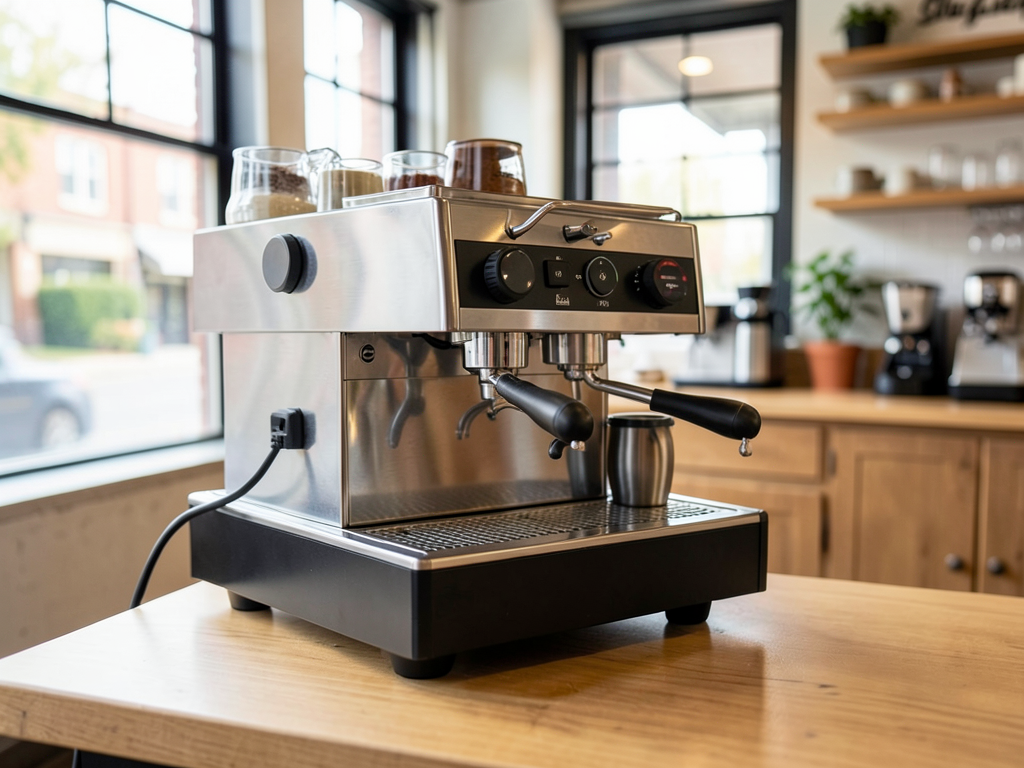
Commercial espresso machines typically require 208V or 240V power supplies. Unlike your home coffee maker that plugs into a standard 120V outlet, these machines need dedicated circuits to handle their high amperage draw. A typical commercial espresso machine can pull between 30 and 50 amps depending on the model and features.
The voltage requirement matters because it directly affects brewing temperature stability and recovery time between shots. When you serve dozens of customers during morning rush, consistent temperature control becomes critical for quality and speed of service.
Most commercial espresso machines use NEMA L6-30P or L6-30R plug configurations. These three-prong, 250V connectors work specifically for high-power equipment. You cannot simply adapt a standard outlet to work with these machines – the electrical system must be properly configured from the start. Electrical Inglewood.
Dedicated Circuits for Coffee Shop Equipment
Beyond the espresso machine, your coffee shop needs multiple dedicated circuits for other high-draw equipment. Commercial grinders, refrigerators, and point-of-sale systems all have specific power requirements that cannot share circuits with lighting or other low-draw devices.
Here’s a breakdown of typical dedicated circuit requirements for a Silver Lake coffee shop:
| Equipment | Voltage | Amperage | Circuit Type |
|---|---|---|---|
| Espresso Machine | 208V/240V | 30-50A | Dedicated 240V |
| Commercial Grinder | 120V | 15-20A | Dedicated 120V |
| Refrigeration Units | 120V | 15-20A | Dedicated 120V |
| POS System | 120V | 10-15A | Dedicated 120V |
| Ice Maker | 120V | 15-20A | Dedicated 120V |
Each piece of equipment needs its own dedicated circuit breaker to prevent overloads and ensure consistent operation. Sharing circuits between high-draw devices can cause breakers to trip during busy periods, leaving you unable to serve customers.
LADBS Permitting Requirements for Silver Lake Coffee Shops
The Los Angeles Department of Building and Safety has specific requirements for commercial electrical installations. Before you open your doors, you must submit detailed electrical plans that show all dedicated circuits, panel capacities, and compliance with California Electrical Code. Los Angeles Department of Building and Safety.
The permitting process typically takes 2-4 weeks for plan review, followed by inspections during installation. You cannot operate your coffee shop until you receive final approval from LADBS inspectors.
Key permitting requirements include:
- Load calculations showing total electrical demand
- Panel schedule documentation
- Grounding system specifications
- Conduit fill calculations
- Arc fault and ground fault protection where required
Working with a licensed C-10 electrical contractor who understands LADBS procedures can save you weeks of delays and prevent costly rework.
Three-Phase Power Considerations
Many Silver Lake commercial spaces were built before the current demand for high-powered coffee equipment. Your building might have single-phase power when you actually need three-phase for optimal operation.
Three-phase power provides more consistent voltage delivery and can handle larger loads more efficiently. If your space has older electrical infrastructure, you might need a panel upgrade from 100 amps to 200 amps or more.
Signs you might need three-phase power include:
- Older building with original electrical service
- Limited breaker space in existing panel
- Planned equipment exceeding 48,000 volt-amps
- Multiple refrigeration units or cooking equipment
Upgrading to three-phase power involves coordination with LADWP and can take 4-8 weeks depending on availability and building access. Upgrading your Beverly Hills estate to a 400 amp electrical service.
Title 24 Energy Compliance for Retail Spaces
California Title 24 energy efficiency standards apply to all new commercial construction and major renovations. For coffee shops, this means specific requirements for lighting, HVAC controls, and overall energy usage. Title 24 energy efficiency standards.
Lighting requirements include:
- LED fixtures with high efficacy ratings
- Occupancy sensors in storage areas
- Daylight harvesting controls for front windows
- High Color Rendering Index for food service areas
Your electrical plan must demonstrate compliance with these standards through detailed calculations and equipment specifications. Non-compliance can result in permit denial or costly retrofits after opening.
GFCI Protection and Wet Area Requirements
Coffee shops have multiple wet areas – sinks, coffee stations, and cleaning areas. The California Electrical Code requires Ground Fault Circuit Interrupter protection for all outlets within 6 feet of water sources.
GFCI requirements include:
- All countertop outlets near sinks
- Equipment near coffee preparation areas
- Outdoor outlets for any patio seating
- Refrigeration units in wet areas
Proper GFCI installation protects both your equipment and your customers from electrical shock hazards. These devices trip quickly when they detect ground faults, preventing serious injuries.
Panel Capacity and Future Expansion
When planning your electrical system, consider not just your current needs but also future growth. Adding outdoor seating, expanding your menu, or installing additional equipment later will require available panel capacity. Installing a backup generator for your Hollywood Hills home before the next outage.
A 200-amp service panel provides more flexibility than a 100-amp panel, especially for coffee shops with multiple refrigeration units, HVAC systems, and specialty equipment like nitro cold brew systems.
Sub-panel installation might be necessary if your main panel is at capacity. This allows you to add dedicated circuits for new equipment without overloading the main service.
Surge Protection for Commercial Equipment
Commercial espresso machines and other sensitive electronics need protection from power surges. A whole-building surge protection system installed at your main panel can prevent costly damage from utility fluctuations or lightning strikes.
Point-of-use surge protectors for individual pieces of equipment provide an additional layer of protection. This is especially important for your POS system, which contains critical business data.
Emergency Power Considerations
Power outages can be devastating for coffee shops. Even a brief interruption can mean lost sales, spoiled inventory, and disappointed customers. Consider installing an emergency power system or battery backup for critical equipment. Finding an Emergency Electrician in Silver Lake Who Actually Answers the Phone.
Essential systems to back up include:
- POS system and payment processing
- Refrigeration units
- Security and alarm systems
- Emergency lighting
A small battery backup system can keep essential equipment running during brief outages, while a larger generator can power your entire operation during extended blackouts.
Common Electrical Mistakes to Avoid
Many new coffee shop owners make these common electrical planning mistakes:
- Underestimating total power requirements
- Using standard outlets for commercial equipment
- Skipping dedicated circuits for high-draw devices
- Ignoring future expansion needs
- Failing to obtain proper permits
These mistakes can lead to equipment damage, safety hazards, and costly retrofits that delay your opening date.
Working with Licensed Electrical Contractors
Commercial electrical work requires a C-10 licensed contractor in California. These professionals understand the specific requirements for coffee shop installations and can ensure your system meets all code requirements.
When selecting an electrical contractor, verify:
- Current California C-10 license status
- Experience with commercial coffee shop installations
- Knowledge of LADBS permitting procedures
- Insurance and bonding coverage
- References from similar projects
A qualified contractor will provide detailed electrical plans, obtain necessary permits, and coordinate inspections to ensure your coffee shop opens on schedule.
Timeline for Electrical Installation
Proper electrical planning should begin 2-3 months before your target opening date. This allows time for:
- Initial load calculations and equipment selection
- Permit application and review
- Equipment procurement and delivery
- Installation and rough-in work
- Final inspections and testing
Rushing electrical work can lead to safety hazards and code violations that will delay your opening or require expensive rework.
Cost Factors for Coffee Shop Electrical Systems
Electrical installation costs vary based on several factors:
- Building age and existing infrastructure
- Distance from electrical panel to equipment
- Need for panel upgrades or three-phase power
- Complexity of dedicated circuit requirements
- Permit fees and inspection costs
While it’s tempting to cut corners on electrical work, the cost of fixing problems later is always higher than doing it right the first time.
Final Checklist Before Opening
Before your grand opening, verify these electrical items:
- All dedicated circuits properly labeled
- GFCI protection installed where required
- Surge protection devices functioning
- Emergency lighting operational
- Final inspection approvals obtained
Having a qualified electrician perform a final walkthrough can identify any issues before they affect your operations.
Frequently Asked Questions
What size electrical panel do I need for a coffee shop?
Most coffee shops need at least a 200-amp service panel. If you plan to expand or add equipment later, consider a 400-amp panel for future flexibility.
How long does it take to get electrical permits in Los Angeles?
Plan for 2-4 weeks for LADBS plan review and permit issuance. Complex projects or those requiring panel upgrades may take longer.
Can I use my home espresso machine in a commercial setting?
No. Home machines are not designed for commercial use and may violate health codes. They also lack the durability and output capacity needed for a busy coffee shop.
What happens if I skip the electrical permit process?
Operating without permits can result in fines, forced closures, and difficulty obtaining insurance. You may also face issues when selling your business or making future modifications. For more information, visit National Electrical Code.
{
“@context”: “https://schema.org”,
“@type”: “BlogPosting”,
“headline”: “Why your new coffee shop in Silver Lake needs a specialized electrical plan for those espresso machines”,
“description”: “Learn why commercial espresso machines in Silver Lake coffee shops require dedicated circuits, proper permitting, and specialized electrical planning for safe operation.”,
“wordCount”: 1532,
“datePublished”: “2026-06-22T11:55:00.000Z”,
“dateModified”: “2026-06-22T11:55:00.000Z”,
“inLanguage”: “en-US”,
“mainEntityOfPage”: {
“@type”: “WebPage”,
“@id”: “https://eliteelectricianslosangeles.com”
},
“publisher”: {
“@type”: “LocalBusiness”,
“name”: “Elite Electricians Los Angeles”,
“url”: “https://eliteelectricianslosangeles.com”
},
“author”: {
“@type”: “Organization”,
“name”: “Elite Electricians Los Angeles”,
“url”: “https://eliteelectricianslosangeles.com”
},
“image”: {
“@type”: “ImageObject”,
“url”: “https://eliteelectricianslosangeles.com/wp-content/uploads/2026/03/why-your-new-coffee-shop-in-silver-lake-needs-a-sp-1.png”
}
}
{
“@context”: “https://schema.org”,
“@type”: “Electrician”,
“name”: “Elite Electricians Los Angeles”,
“url”: “https://eliteelectricianslosangeles.com”,
“address”: {
“@type”: “PostalAddress”,
“addressLocality”: “Los Angeles”
},
“areaServed”: {
“@type”: “City”,
“name”: “Los Angeles”
}
}
{
“@context”: “https://schema.org”,
“@type”: “FAQPage”,
“mainEntity”: [
{
“@type”: “Question”,
“name”: “What size electrical panel do I need for a coffee shop?”,
“acceptedAnswer”: {
“@type”: “Answer”,
“text”: “Most coffee shops need at least a 200-amp service panel. If you plan to expand or add equipment later, consider a 400-amp panel for future flexibility.”
}
},
{
“@type”: “Question”,
“name”: “How long does it take to get electrical permits in Los Angeles?”,
“acceptedAnswer”: {
“@type”: “Answer”,
“text”: “Plan for 2-4 weeks for LADBS plan review and permit issuance. Complex projects or those requiring panel upgrades may take longer.”
}
},
{
“@type”: “Question”,
“name”: “Can I use my home espresso machine in a commercial setting?”,
“acceptedAnswer”: {
“@type”: “Answer”,
“text”: “No. Home machines are not designed for commercial use and may violate health codes. They also lack the durability and output capacity needed for a busy coffee shop.”
}
},
{
“@type”: “Question”,
“name”: “What happens if I skip the electrical permit process?”,
“acceptedAnswer”: {
“@type”: “Answer”,
“text”: “Operating without permits can result in fines, forced closures, and difficulty obtaining insurance. You may also face issues when selling your business or making future modifications. For more information, visit National Electrical Code.”
}
}
]
}
{
“@context”: “https://schema.org”,
“@type”: “BreadcrumbList”,
“itemListElement”: [
{
“@type”: “ListItem”,
“position”: 1,
“name”: “Home”,
“item”: “https://eliteelectricianslosangeles.com”
},
{
“@type”: “ListItem”,
“position”: 2,
“name”: “Blog”,
“item”: “https://eliteelectricianslosangeles.com/blog”
},
{
“@type”: “ListItem”,
“position”: 3,
“name”: “Why your new coffee shop in Silver Lake needs a specialized electrical plan for those espresso machines”
}
]
}
{
“@context”: “https://schema.org”,
“@type”: “Service”,
“serviceType”: “Electricians”,
“provider”: {
“@type”: “LocalBusiness”,
“name”: “Elite Electricians Los Angeles”,
“url”: “https://eliteelectricianslosangeles.com”
},
“areaServed”: {
“@type”: “City”,
“name”: “Los Angeles”
},
“description”: “Learn why commercial espresso machines in Silver Lake coffee shops require dedicated circuits, proper permitting, and specialized electrical planning for safe operation.”
}