
How to professionally light the specimen trees in your Hancock Park backyard without messy wires
Your mature oaks and palms deserve lighting that enhances their beauty without ruining your landscape with exposed wiring. The challenge in Hancock Park is real. Mature trees create stunning focal points but also make traditional wiring methods look clumsy and unprofessional. Safely Wiring Your New Pool or Hot Tub in Encino.
Professional landscape lighting for trees requires understanding both electrical engineering and horticultural aesthetics. You need fixtures that withstand coastal salt air and heat while creating the right ambiance for your estate. This guide covers everything from voltage drop calculations to selecting the perfect beam angles for your specific tree species. Electrical Inglewood.
Understanding tree lighting fundamentals for Hancock Park
Hancock Park features mature California live oaks Mexican fan palms and citrus trees that each require different lighting approaches. The coastal proximity means fixtures must resist corrosion while the mature canopy heights demand proper lumen output. California Title 24 energy efficiency requirements.
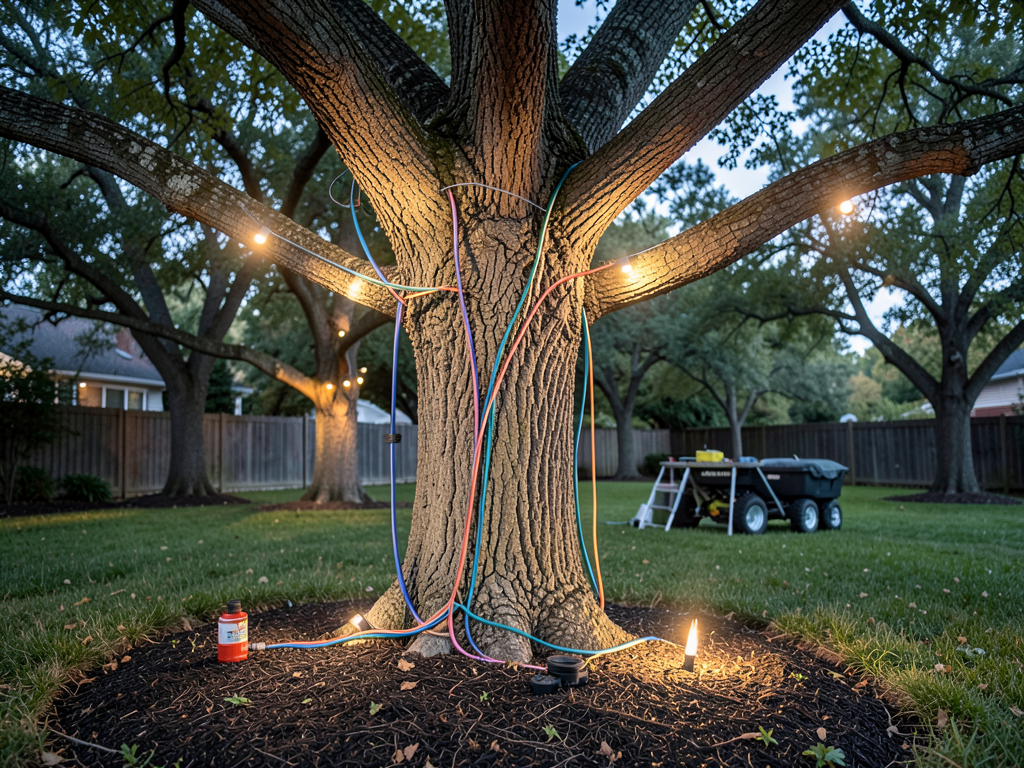
Professional installation starts with low-voltage systems that eliminate the need for deep trenching. A 12-volt system uses smaller gauge wire and can run hundreds of feet without significant voltage drop when properly calculated. This means you can hide wires under mulch or within planting beds rather than burying deep conduits.. Read more about How to plan a professional holiday lighting display in Toluca Lake without blowing your main breaker.
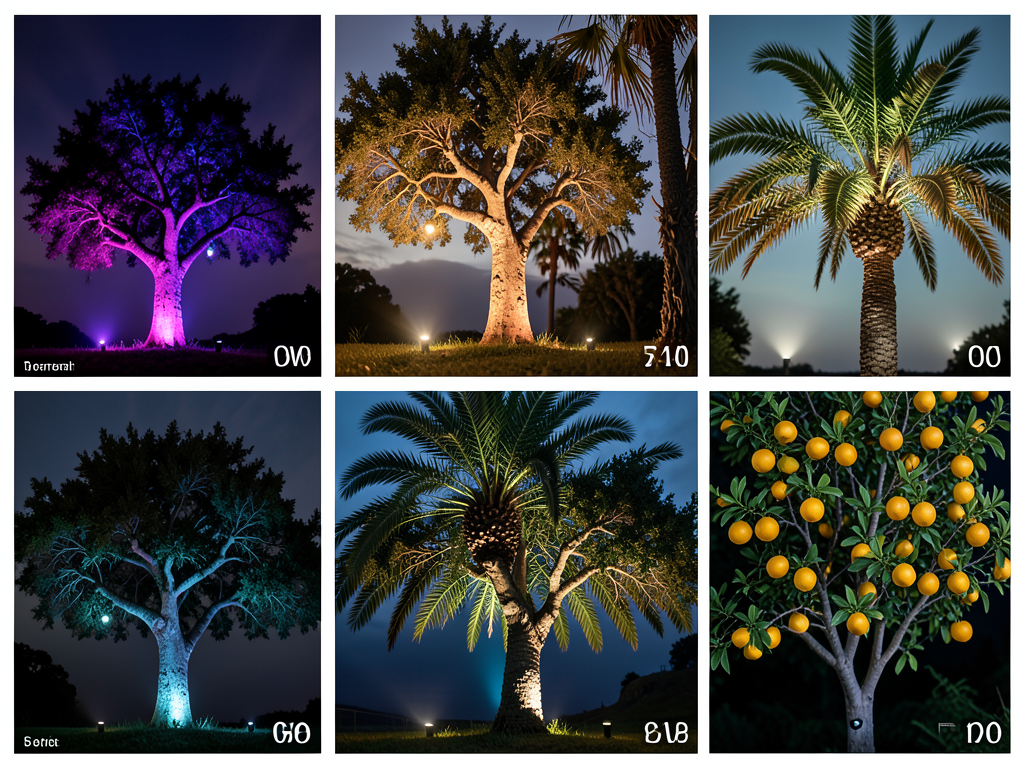
Color temperature matters significantly. Warm white (2700K-3000K) creates inviting ambiance for entertainment areas while cool white (4000K-5000K) provides dramatic uplighting for architectural trees. The right Kelvin temperature can make your oak’s bark texture pop or create moonlight effects through palm fronds.. Read more about How to light a steep hillside driveway safely in the Hollywood Hills.
Uplighting vs. Moonlighting: Which is right for your trees?
Uplighting shines fixtures at the base of trees to illuminate trunks and canopies from below. This creates dramatic shadows and highlights architectural features of palms and sculptural trees. For Hancock Park’s mature oaks uplighting at 30-degree angles works best to showcase bark texture without creating harsh glare.
Moonlighting mounts fixtures high in tree branches to shine down through foliage. This creates natural dappled light patterns on pathways and lawns below. The effect mimics moonlight filtering through leaves and works exceptionally well for creating subtle ambiance in Hancock Park’s larger properties.
Combining both techniques often produces the best results. Uplighting provides structure and drama while moonlighting adds depth and natural movement as leaves sway in coastal breezes.
Best tree species for lighting in LA and their specific needs
California live oaks require careful consideration due to their size and value. These trees often exceed 60 feet in height and need fixtures with wide beam spreads (60+ degrees) to properly illuminate their broad canopies. Brass fixtures resist corrosion in Hancock Park’s soil conditions better than aluminum alternatives.
Mexican fan palms present unique challenges. Their tall slender trunks need narrow beam angles (10-25 degrees) to create dramatic vertical lines. The crown of fronds requires wider coverage often necessitating multiple fixtures per tree. Coastal salt air accelerates corrosion on standard fixtures making marine-grade brass essential.. Read more about Essential electrical prep for installing a smart irrigation system in your Bel Air garden.
Citrus trees like oranges and lemons benefit from warmer color temperatures that enhance their fruit colors. These smaller trees (15-25 feet) need fewer lumens but benefit from careful placement to avoid hot spots on fruit.
<img decoding="async" src="
” alt=”Professional landscape lighting installation showing hidden wiring techniques for mature trees”>
Why hire a licensed electrician for your outdoor lighting
Landscape lighting involves more than just mounting fixtures. Proper transformer sizing prevents voltage drop that causes dimming over distance. A 300-watt transformer might seem sufficient but cannot power 200 feet of wire with multiple fixtures without significant voltage loss.
California electrical code requires GFCI protection for all outdoor circuits. This means your lighting system needs weatherproof GFCI outlets or breakers to prevent shock hazards. The National Electrical Code (NEC) also mandates specific burial depths and conduit requirements that vary by wire type and location. National Electrical Code (NEC).
Professional installation includes proper wire connections that resist moisture intrusion. Direct burial cable must have waterproof gel-filled connectors at every splice point. Improper connections lead to corrosion and system failures within months of installation.
Voltage drop transformers and California safety codes
Voltage drop occurs when electricity travels through wire. For every 100 feet of 12-gauge wire carrying 10 amps you lose approximately 0.4 volts. This means fixtures at the end of long runs receive less power and appear dimmer than those near the transformer.
Professional electricians use voltage drop calculators to determine proper wire gauge and transformer size. They might specify 10-gauge wire for long runs or use multiple transformers to create separate zones with consistent voltage.
California Title 24 energy efficiency requirements affect outdoor lighting. All fixtures must be LED and meet specific lumen-per-watt ratios. Motion sensors or timers help meet compliance while reducing energy consumption.
Energy-efficient LED solutions for drought-tolerant yards
LED fixtures use 75% less energy than halogen alternatives while lasting 5-10 times longer. A typical LED landscape light uses 4-8 watts compared to 20-50 watts for halogen. This means you can install more fixtures without exceeding transformer capacity.
Color rendering index (CRI) affects how natural your lighting appears. Look for fixtures with CRI above 80 for accurate color representation of foliage and bark textures. Lower CRI creates washed-out colors that make your landscape appear artificial.
Dimming capabilities allow you to adjust brightness for different occasions. Many LED systems work with smart home controllers for scheduling and scene setting. You can create different lighting scenes for entertaining versus everyday use.. Read more about How to fix poor Wi-Fi signals for your smart outdoor lighting in the hills of Sherman Oaks.
Our landscape lighting process: From design to installation
Professional lighting design starts with a nighttime site visit. This allows the designer to see your landscape in its actual illuminated state and identify key features that need accent lighting. They’ll assess tree heights canopy spreads and existing electrical infrastructure. Electrical Compton.
The design phase includes fixture placement diagrams showing exact locations and aiming angles. This ensures proper coverage without over-lighting or creating dark spots. The plan also shows wire routing to minimize visible runs and protect against damage from gardening equipment.
Installation typically takes 2-3 days for a complete system. The first day involves trenching for wire runs and mounting transformers. The second day focuses on fixture installation and aiming. The final day includes system testing adjustments and cleanup.
Comparing fixture materials and their durability in coastal conditions
| Fixture Material | Coastal Durability | Cost Range | Lifespan in Hancock Park |
|---|---|---|---|
| Brass | Excellent | $80-$200 | 15-25 years |
| Copper | Excellent | $120-$300 | 20-30 years |
| Aluminum | Poor | $40-$100 | 3-7 years |
| Stainless Steel | Good | $60-$150 | 8-12 years |
Brass fixtures represent the best long-term investment for Hancock Park’s coastal environment. While more expensive initially they resist corrosion from salt air and maintain their appearance for decades. The patina that develops actually protects the underlying metal.
Copper fixtures offer similar durability with a distinctive green patina that many homeowners find attractive. However they cost significantly more and can create galvanic corrosion when in contact with other metals.
Aluminum fixtures seem economical but fail quickly in coastal conditions. The salt air accelerates oxidation causing pitting and structural weakness within a few years.
Smart home integration for automated tree lighting
Modern landscape lighting integrates with smart home systems for convenient control. Lutron Caséta and Control4 systems allow you to create lighting scenes that activate automatically based on time sunset or motion detection.
Voice control through Amazon Alexa or Google Home lets you adjust lighting without touching switches. You can say “turn on tree lights” and have your entire landscape illuminate according to your preset scenes.
Weather-based automation prevents energy waste. Systems can detect rain or high winds and automatically adjust brightness or turn off lights to prevent damage and save electricity.
Common mistakes to avoid in tree lighting installation
Over-lighting creates harsh unnatural effects that detract from your landscape. Professional designers use fewer higher-quality fixtures rather than dozens of cheap lights. The goal is accent lighting not stadium illumination.
Incorrect aiming causes glare that makes your property less enjoyable. Fixtures should shine away from windows and seating areas. Using glare guards or louvers helps direct light where you want it while preventing unwanted brightness.
Ignoring voltage drop leads to inconsistent lighting. Fixtures near the transformer appear bright while those at the end of runs look dim. Proper wire sizing and transformer placement prevent this common problem.
<img decoding="async" src="
” alt=”LED landscape lighting fixtures showing color temperature differences for various tree species”>
Maintenance requirements for long-lasting landscape lighting
Regular cleaning prevents dirt and debris from reducing light output. A simple wipe with a damp cloth every few months maintains brightness. For brass fixtures occasional polishing prevents heavy oxidation if you prefer the original appearance.
Checking wire connections annually prevents system failures. Moisture can work its way into connections over time causing corrosion. Tightening connections and applying dielectric grease extends system life.
Replacing LED bulbs every 5-7 years maintains consistent color temperature. While LEDs last longer than traditional bulbs their color can shift over time. Replacing all fixtures in a zone simultaneously prevents color mismatches.
Cost factors for professional tree lighting in Hancock Park
System complexity drives installation costs more than fixture count. A simple path lighting system might cost $3000-$5000 while a comprehensive tree lighting design for a large property can exceed $15000.
Fixture quality significantly impacts long-term costs. Premium brass fixtures cost more upfront but eliminate replacement expenses for decades. Cheap aluminum fixtures might need replacement every 3-5 years doubling your long-term investment.
Electrical infrastructure requirements vary by property. Homes with existing outdoor circuits need less work than those requiring new circuits and GFCI protection. Transformer placement also affects costs based on distance from the main electrical panel. Electrical Long Beach.
Dark sky compliance and light pollution considerations
Dark sky compliant fixtures direct light downward rather than allowing it to scatter into the night sky. This preserves the natural darkness that benefits wildlife and reduces energy waste. Shielded fixtures prevent light trespass onto neighboring properties.
Color temperature affects light pollution. Warmer colors (2700K-3000K) create less sky glow than cooler temperatures. Many communities now require warm white LEDs for outdoor lighting to minimize environmental impact.
Timers and motion sensors reduce unnecessary lighting. Your trees don’t need to be illuminated at 3 AM when no one is outside to enjoy them. Smart controls can adjust lighting based on actual usage patterns.
Frequently Asked Questions
How long does professional tree lighting installation take?
Most residential installations complete in 2-3 days. The first day involves planning and trenching the second focuses on fixture installation and the final day includes system testing and adjustments. Larger properties or complex designs may require additional time.
Can I install landscape lighting myself to save money?
While DIY kits exist professional installation ensures code compliance proper voltage drop calculations and weatherproof connections. Incorrect installation can create safety hazards and lead to expensive repairs. The cost difference often justifies professional expertise.
What’s the best way to hide wires for tree lighting?
Professional installers use several techniques including running wires under mulch along fence lines or through planting beds. Low-voltage systems allow smaller gauge wire that’s easier to conceal. Strategic transformer placement minimizes visible wire runs.
How much maintenance do landscape lights require?
Annual maintenance includes cleaning fixtures checking connections and replacing any failed components. Most systems need minimal attention beyond occasional cleaning. LED fixtures rarely require bulb replacement for 5-7 years.
Are LED lights bright enough for tree lighting?
Modern LED fixtures provide excellent brightness while using minimal energy. A typical tree uplight uses 4-8 watts but produces light equivalent to 20-50 watt halogen bulbs. The key is proper fixture selection and placement rather than raw wattage.
Ready to transform your Hancock Park trees with professional lighting that enhances rather than detracts from your landscape? Our licensed electricians understand the unique challenges of coastal LA properties and can design a system that provides years of trouble-free operation. Call us today at (213) 277-8815 to schedule your free design consultation. We’ll show you exactly how we can light your trees without a single visible wire. For more information, visit International Dark-Sky Association.
{
“@context”: “https://schema.org”,
“@type”: “BlogPosting”,
“headline”: “How to professionally light the specimen trees in your Hancock Park backyard without messy wires”,
“description”: “Professional landscape lighting for Hancock Park’s mature trees requires expert installation to avoid messy wires while creating stunning ambiance.”,
“wordCount”: 1988,
“datePublished”: “2026-06-07T11:18:00.000Z”,
“dateModified”: “2026-06-07T11:18:00.000Z”,
“inLanguage”: “en-US”,
“mainEntityOfPage”: {
“@type”: “WebPage”,
“@id”: “https://eliteelectricianslosangeles.com”
},
“publisher”: {
“@type”: “LocalBusiness”,
“name”: “Elite Electricians Los Angeles”,
“url”: “https://eliteelectricianslosangeles.com”
},
“author”: {
“@type”: “Organization”,
“name”: “Elite Electricians Los Angeles”,
“url”: “https://eliteelectricianslosangeles.com”
},
“image”: {
“@type”: “ImageObject”,
“url”: “https://eliteelectricianslosangeles.com/wp-content/uploads/2026/03/how-to-professionally-light-the-specimen-trees-in-1.png”
}
}
{
“@context”: “https://schema.org”,
“@type”: “Electrician”,
“name”: “Elite Electricians Los Angeles”,
“url”: “https://eliteelectricianslosangeles.com”,
“address”: {
“@type”: “PostalAddress”,
“addressLocality”: “Los Angeles”
},
“areaServed”: {
“@type”: “City”,
“name”: “Los Angeles”
}
}
{
“@context”: “https://schema.org”,
“@type”: “FAQPage”,
“mainEntity”: [
{
“@type”: “Question”,
“name”: “Uplighting vs. Moonlighting: Which is right for your trees?”,
“acceptedAnswer”: {
“@type”: “Answer”,
“text”: “Uplighting shines fixtures at the base of trees to illuminate trunks and canopies from below. This creates dramatic shadows and highlights architectural features of palms and sculptural trees. For Hancock Park’s mature oaks uplighting at 30-degree angles works best to showcase bark texture without creating harsh glare.”
}
},
{
“@type”: “Question”,
“name”: “How long does professional tree lighting installation take?”,
“acceptedAnswer”: {
“@type”: “Answer”,
“text”: “Most residential installations complete in 2-3 days. The first day involves planning and trenching the second focuses on fixture installation and the final day includes system testing and adjustments. Larger properties or complex designs may require additional time.”
}
},
{
“@type”: “Question”,
“name”: “Can I install landscape lighting myself to save money?”,
“acceptedAnswer”: {
“@type”: “Answer”,
“text”: “While DIY kits exist professional installation ensures code compliance proper voltage drop calculations and weatherproof connections. Incorrect installation can create safety hazards and lead to expensive repairs. The cost difference often justifies professional expertise.”
}
},
{
“@type”: “Question”,
“name”: “What’s the best way to hide wires for tree lighting?”,
“acceptedAnswer”: {
“@type”: “Answer”,
“text”: “Professional installers use several techniques including running wires under mulch along fence lines or through planting beds. Low-voltage systems allow smaller gauge wire that’s easier to conceal. Strategic transformer placement minimizes visible wire runs.”
}
},
{
“@type”: “Question”,
“name”: “How much maintenance do landscape lights require?”,
“acceptedAnswer”: {
“@type”: “Answer”,
“text”: “Annual maintenance includes cleaning fixtures checking connections and replacing any failed components. Most systems need minimal attention beyond occasional cleaning. LED fixtures rarely require bulb replacement for 5-7 years.”
}
},
{
“@type”: “Question”,
“name”: “Are LED lights bright enough for tree lighting?”,
“acceptedAnswer”: {
“@type”: “Answer”,
“text”: “Modern LED fixtures provide excellent brightness while using minimal energy. A typical tree uplight uses 4-8 watts but produces light equivalent to 20-50 watt halogen bulbs. The key is proper fixture selection and placement rather than raw wattage.”
}
}
]
}
{
“@context”: “https://schema.org”,
“@type”: “BreadcrumbList”,
“itemListElement”: [
{
“@type”: “ListItem”,
“position”: 1,
“name”: “Home”,
“item”: “https://eliteelectricianslosangeles.com”
},
{
“@type”: “ListItem”,
“position”: 2,
“name”: “Blog”,
“item”: “https://eliteelectricianslosangeles.com/blog”
},
{
“@type”: “ListItem”,
“position”: 3,
“name”: “How to professionally light the specimen trees in your Hancock Park backyard without messy wires”
}
]
}
{
“@context”: “https://schema.org”,
“@type”: “Service”,
“serviceType”: “Electricians”,
“provider”: {
“@type”: “LocalBusiness”,
“name”: “Elite Electricians Los Angeles”,
“url”: “https://eliteelectricianslosangeles.com”
},
“areaServed”: {
“@type”: “City”,
“name”: “Los Angeles”
},
“description”: “Professional landscape lighting for Hancock Park’s mature trees requires expert installation to avoid messy wires while creating stunning ambiance.”
}