Comparing various backup power options for medical equipment in your Granada Hills home
Living in Granada Hills means enjoying warm California weather and hillside views. It also means preparing for the power outages that can strike when summer heat waves strain the grid or when Santa Ana winds trigger Public Safety Power Shutoffs. For residents who rely on medical devices like CPAP machines, oxygen concentrators, or home dialysis equipment, these outages are not just inconvenient. They can be life-threatening. This guide breaks down the backup power options available to Granada Hills homeowners and explains how to keep critical medical equipment running safely and reliably. California Public Utilities Commission SGIP page.
Common medical devices that need emergency power
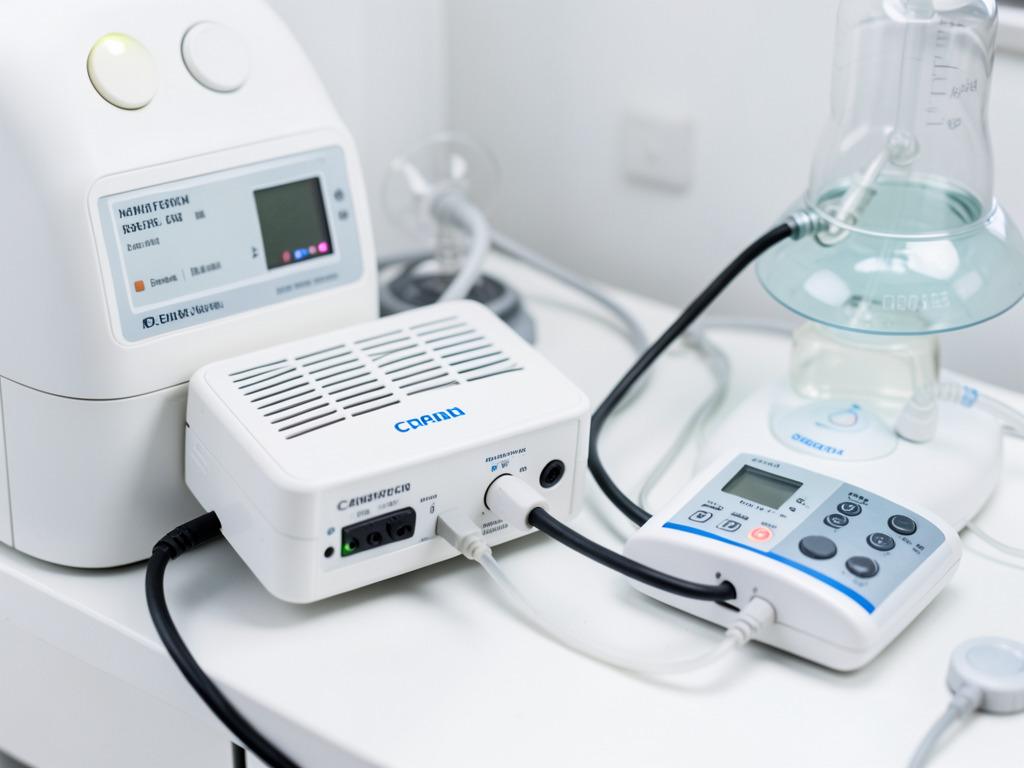
Medical equipment varies widely in power consumption. Understanding the wattage and runtime requirements of your devices is the first step in choosing the right backup system. Here are some common devices used by Granada Hills residents: Installing a backup generator for your Hollywood Hills home before the next outage.
- CPAP and BiPAP machines – Typically draw 30 to 60 watts while running. Some models with heated humidifiers use more.
- Oxygen concentrators – Stationary units often need 300 to 500 watts. Portable models use less but may run only a few hours on battery.
- Home dialysis machines – Can require 500 to 1500 watts depending on the type and duration of treatment.
- Electric wheelchairs and scooters – Charging a battery may need 150 to 300 watts over several hours.
- Refrigerated medications – A small fridge for insulin or other drugs uses about 100 to 150 watts continuously.
Medical devices also have different power quality needs. Many require “clean” power with a pure sine wave output to avoid damaging sensitive electronics. A modified sine wave from a cheap inverter can cause a CPAP to malfunction or an oxygen concentrator to shut down.
Comparing backup power solutions: UPS, battery storage, and generators
There are three main types of backup power systems. Each has strengths and weaknesses for medical use.
Uninterruptible Power Supply (UPS)
A UPS provides instant backup when the grid fails. It is ideal for short outages lasting a few minutes to an hour. Most consumer UPS units offer 300 to 1500 watts of capacity. They are easy to plug in and work well for CPAP machines and small oxygen concentrators. However, runtime is limited by battery size. A 1000-watt-hour UPS might run a 100-watt CPAP for about 8 hours, but only 2 hours for a 500-watt oxygen concentrator. UPS units are not designed for multi-day outages.
Battery Storage Systems
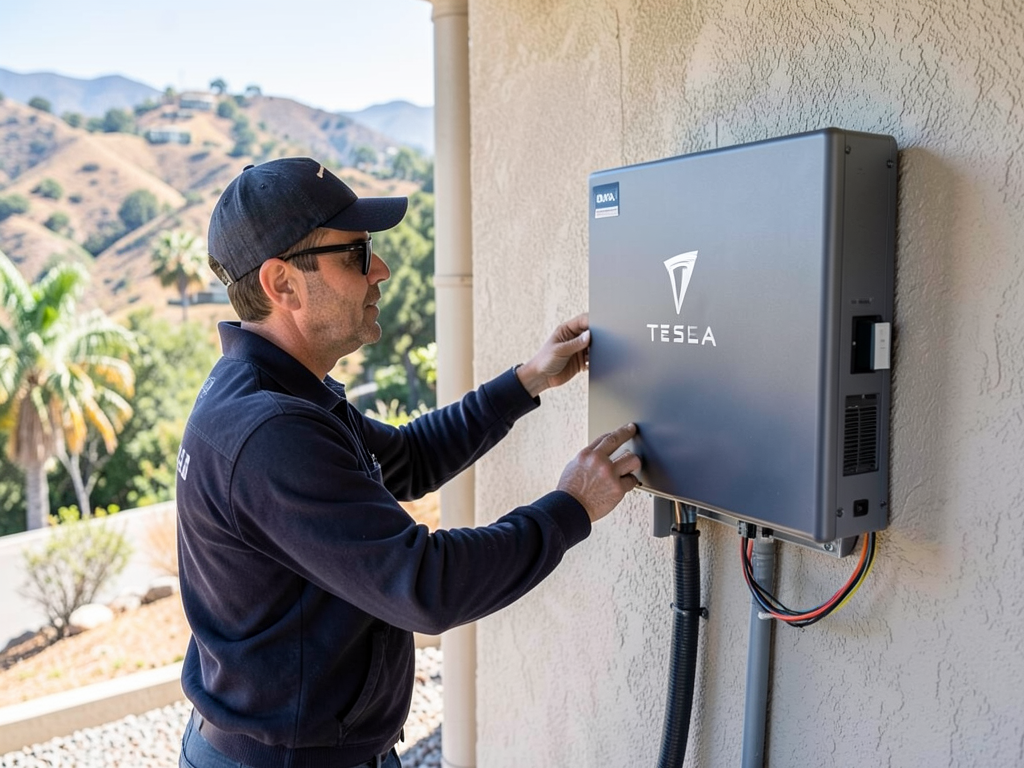
Battery storage like the Tesla Powerwall or Enphase Encharge can power your entire home or just critical circuits. These systems provide 10 to 20 kilowatt-hours of storage. They work seamlessly with solar panels to recharge during the day. For medical equipment, a battery system can run a CPAP and oxygen concentrator for 24 to 48 hours or more. The initial cost is higher than a UPS, but the peace of mind and longer runtime make it worthwhile for many Granada Hills families. Battery systems also qualify for California rebates through the Self-Generation Incentive Program (SGIP).. Read more about What to do when your electrical panel starts making a buzzing sound in your Granada Hills house.
Standby Generators
Standby generators run on natural gas or propane and can supply power indefinitely as long as fuel is available. They typically provide 10 to 20 kilowatts or more. A properly installed generator can power your entire home including all medical devices. Automatic transfer switches detect outages and start the generator within seconds. Generators are best for extended outages lasting days. They do require professional installation, regular maintenance, and compliance with local building codes. Noise and exhaust are considerations for residential neighborhoods.
Why professional installation is mandatory for medical safety
Connecting backup power to medical equipment is not a DIY project. Medical devices often have specific grounding and power quality requirements. Improper wiring can create shock hazards or damage sensitive electronics. In Granada Hills, all permanent backup systems must comply with the National Electrical Code (NEC) and local Los Angeles building regulations. This includes proper sizing of circuits, installation of transfer switches, and ensuring “clean” power delivery through pure sine wave inverters. Los Angeles Department of Building and Safety.
Professional electricians also ensure your system integrates safely with the utility grid. This prevents backfeeding, which can endanger utility workers during an outage. For battery systems and generators, permits from the Los Angeles Department of Building and Safety (LADBS) are required. Inspections verify that installations meet safety standards. Skipping these steps can void insurance and create liability if something goes wrong. Safely Wiring Your New Pool or Hot Tub in Encino.
Navigating Los Angeles permits and utility requirements
Installing a backup power system in Granada Hills involves several local steps. First, you must apply for an electrical permit through LADBS. The permit process reviews your plans to ensure compliance with NEC Article 702 (Optional Standby Systems) and Article 700 (Emergency Systems). If you install a battery storage system, the fire department may also require a site plan and safety features like smoke detectors near the battery. Finding an Emergency Electrician in Silver Lake Who Actually Answers the Phone.
Southern California Edison (SCE) and the Los Angeles Department of Water and Power (LADWP) both offer medical baseline allowances. These programs give eligible customers additional energy at a lower rate because of medical needs. When you install a backup system, you may need to notify your utility to avoid conflicts with net metering or time-of-use rates. Some utilities also offer rebates for battery storage if it is paired with a medical baseline account.. Read more about How to qualify for LADWP electrical rebates and incentives for your home in the San Fernando Valley.
California’s Self-Generation Incentive Program (SGIP) provides rebates for battery storage. The rebate amount depends on system size and whether it is installed at a medical baseline or disadvantaged community site. Granada Hills residents can check the California Public Utilities Commission website for current SGIP funding and application steps.
Maintenance and testing protocols for life-critical systems
A backup power system is only useful if it works when you need it. Creating a maintenance schedule ensures reliability. Here is a suggested routine:
- Monthly visual inspection – Check for loose connections, corrosion, or signs of damage on batteries, generators, and transfer switches.
- Quarterly testing – Simulate a power outage by turning off the main breaker. Verify that the backup system activates and that medical devices continue to run without interruption.
- Annual professional service – Have a licensed electrician test transfer switches, battery health, and generator components. Replace any worn parts.
- Battery health monitoring – Use the system’s app or a multimeter to check voltage and capacity. Replace batteries that show significant degradation.
- Fuel checks for generators – If using propane or diesel, ensure tanks are filled and check for leaks or contamination.
Document all tests and maintenance in a logbook. Share this information with family members or caregivers so they know how to operate the system in an emergency.
Comparing costs and incentives for Granada Hills residents
Cost is a major factor in choosing backup power. Here is a comparison of typical expenses:
| System Type | Initial Cost Range | Runtime for Medical Devices | Key Incentives |
|---|---|---|---|
| UPS (1000W) | $300 – $800 | 4-8 hours for CPAP | None |
| Battery Storage (10kWh) | $8,000 – $15,000 | 24+ hours for CPAP + O2 | SGIP rebate, tax credit |
| Standby Generator (15kW) | $4,000 – $8,000 + install | Indefinite with fuel | None |
SGIP rebates can reduce battery storage costs by several thousand dollars. Federal tax credits may also apply. Always get quotes from licensed electricians who can size your system based on your actual medical load.
Local considerations for Granada Hills
Granada Hills sits in the San Fernando Valley where summer temperatures often exceed 100°F. This puts extra strain on the grid and increases the likelihood of rolling blackouts. The area also faces wildfire risk, which can trigger multi-day Public Safety Power Shutoffs. Homes in Granada Hills often have hillside lots with limited access, which can affect generator placement and fuel delivery.. Read more about Electrical fire safety tips for homeowners in Topanga Canyon during Santa Ana wind season.
Local building styles include mid-century ranch homes and newer hillside developments. Older homes may have outdated electrical panels that need upgrading before adding a backup system. The Los Angeles Fire Department requires clear access to any generator or battery storage for emergency responders. Upgrading your Beverly Hills estate to a 400 amp electrical service.
Granada Hills is served by both LADWP and SCE depending on your exact location. Check your utility bill to confirm your provider. This affects available rebates and baseline allowances.
Making the right choice for your family
Choosing backup power for medical equipment is about more than watts and dollars. It is about reliability, safety, and peace of mind. A UPS might be enough for a CPAP user who only experiences short outages. A battery system offers longer runtime and can power multiple devices. A generator provides the most comprehensive protection but requires more space and maintenance.. Read more about Essential electrical safety upgrades for seniors aging in place in their San Pedro homes.
Start by listing every medical device you need to power, noting its wattage and how long you might need it during an outage. Then consult a licensed electrician who understands Granada Hills’ local codes and utility programs. They can design a system that meets your needs and passes all inspections.
Remember that the cheapest option is not always the safest. Medical devices are not optional appliances. They are life-support equipment that deserves professional-grade backup power.
Frequently Asked Questions
How do I calculate the power needs for my medical devices?
Check the label on each device for its wattage or amps. Multiply amps by volts to get watts. Add up the total for all devices you want to run at once. Add 20% for startup surges on motors like oxygen concentrators.
Can I install a backup system myself?
No. Medical backup systems must comply with NEC codes and local permits. DIY installations can create shock hazards and void insurance. Always use a licensed electrician.
What if I rent my home in Granada Hills?
Renters can use portable UPS units or battery packs that plug into existing outlets. These do not require permits but offer limited runtime. Discuss permanent options with your landlord if you need longer backup.
Are there rebates for medical backup power in Los Angeles?
Yes. SGIP offers rebates for battery storage. LADWP and SCE may have additional programs for medical baseline customers. Check with your utility and the California Public Utilities Commission for current offers.
How long does installation take?
Simple UPS setups take less than an hour. Battery systems and generators typically require one to three days for installation, permits, and inspections.
What happens if the backup system fails during an outage?
Professional systems include monitoring and alerts. Test your system monthly to ensure it works. Keep a written manual and contact numbers for your electrician in case of failure.
Can I power my entire house with a medical backup system?
Yes, if you install a whole-home battery or generator with automatic transfer switch. This allows you to run medical devices plus essential circuits like refrigeration and lighting.
Does backup power work with solar panels?
Yes. Many battery systems are designed to work with solar and can recharge during the day. This extends runtime during long outages. Your electrician can design a solar-ready backup system. Is Your Sherman Oaks Home Ready for a 200 Amp Panel Upgrade?.
What is the difference between pure sine wave and modified sine wave?
Pure sine wave mimics utility power and is safe for all medical devices. Modified sine wave is cheaper but can cause interference or damage to sensitive electronics. Always use pure sine wave for medical equipment.
How do I apply for medical baseline allowance?
Contact LADWP or SCE and request a medical baseline application. You will need a doctor’s signature certifying your medical need. Once approved, you receive additional energy at a lower rate.
Will a backup system increase my home value?
Yes. Backup power is increasingly valued by homebuyers, especially in areas prone to outages. It can also help your home sell faster in a competitive market.
What permits are required in Granada Hills?
You need an electrical permit from LADBS. If installing a generator, you may also need a mechanical permit. Battery systems may require fire department approval. Your electrician handles the permitting process.
Can I run a generator inside my garage?
No. Generators produce carbon monoxide and must be placed outdoors in a well-ventilated area. Keep them at least 5 feet from doors, windows, and vents.
How often should I test my backup system?
Test monthly by simulating an outage. Run a full system test quarterly. Schedule annual professional maintenance to check all components.
What if I need help during an outage?
Keep a list of emergency contacts including your electrician, utility company, and local medical services. Share your backup system manual with family members or caregivers.
Can I add more batteries later?
Yes. Many battery systems are modular and can be expanded. Check with your installer to ensure your inverter and electrical panel can handle additional capacity.
Is financing available for backup power systems?
Yes. Many electricians offer payment plans or can connect you with financing companies. Some utilities also offer on-bill financing for approved customers.
What happens during a Public Safety Power Shutoff?
If you have an automatic transfer switch, your backup system will activate within seconds of the outage. Manual systems require you to switch circuits yourself.
Can I use a car battery or power bank instead?
Car batteries and small power banks are not designed for continuous medical use. They lack the capacity, safety features, and clean power output needed for life-support equipment.
How do I choose between a battery and a generator?
Consider your outage patterns, space, fuel availability, and budget. Batteries are quiet and clean but have limited runtime. Generators provide unlimited power but need fuel and maintenance.
What if my medical needs change?
Review your backup system annually. If you add new devices or your usage increases, have your electrician reassess the system size and make upgrades as needed.
Can I take my backup system with me if I move?
Portable UPS units are easy to move. Whole-home systems are wired into your electrical panel and typically stay with the house. Discuss portability with your installer if you plan to relocate.
Will my homeowner’s insurance cover backup power systems?
Most policies cover permanently installed systems, but you may need to inform your insurer. Portable units are usually covered under personal property. Check your policy details.
How do I know if my home’s electrical panel can handle a backup system?
A licensed electrician will inspect your panel during the design phase. Older panels may need a heavy-up to 200 amps or more to support a whole-home backup system.
What is the lifespan of a backup power system?
Battery systems typically last 10-15 years. Generators can run 15-30 years with proper maintenance. UPS batteries may need replacement every 3-5 years.
Can I monitor my system remotely?
Yes. Many modern systems include smartphone apps that show battery level, power usage, and system status. Some can send alerts if there is a problem.
What if I live in a condo or apartment?
Check with your building management. Some complexes allow individual backup systems; others have central generators. Portable UPS units are usually permitted in any unit.
Does altitude affect generator performance?
Yes. At higher elevations, generators produce less power and may need derating. Granada Hills is not high enough to cause major issues, but your installer will account for local conditions.
How do I prepare for wildfire season?
Keep your backup system charged and ready. Have a go-bag with essentials including medical device chargers. Know your evacuation route and keep important documents accessible.
Can I use my backup system to save money on electricity?
Yes. Some battery systems can be programmed to use stored energy during peak rate hours, reducing your bill. This is called load shifting and can provide additional savings.
What training do I need to use my backup system?
Your installer will provide a walkthrough of the system. Keep the manual handy and review it annually. Consider having a family member or caregiver learn the basics too.
Where can I find a qualified electrician in Granada Hills?
Look for licensed contractors with experience in backup power and medical equipment. Check reviews, ask for references, and verify their license with the California State License Board.
How do I get started?
Call Elite Electricians Los Angeles at (213) 277-8815 for a free consultation. We will assess your medical power needs, explain your options, and provide a detailed quote with no obligation.
Don’t wait for the next outage to threaten your health. Protect your family with professional backup power designed for medical equipment. Call (213) 277-8815 today.
{
“@context”: “https://schema.org”,
“@type”: “BlogPosting”,
“headline”: “Comparing various backup power options for medical equipment in your Granada Hills home”,
“description”: “Learn how to keep life-sustaining medical devices running during Los Angeles outages. Compare UPS, battery storage, and generators with expert Granada Hills guidance.”,
“wordCount”: 2771,
“datePublished”: “2026-05-15T09:01:00.000Z”,
“dateModified”: “2026-05-15T09:01:00.000Z”,
“inLanguage”: “en-US”,
“mainEntityOfPage”: {
“@type”: “WebPage”,
“@id”: “https://eliteelectricianslosangeles.com”
},
“publisher”: {
“@type”: “LocalBusiness”,
“name”: “Elite Electricians Los Angeles”,
“url”: “https://eliteelectricianslosangeles.com”
},
“author”: {
“@type”: “Organization”,
“name”: “Elite Electricians Los Angeles”,
“url”: “https://eliteelectricianslosangeles.com”
},
“image”: {
“@type”: “ImageObject”,
“url”: “https://eliteelectricianslosangeles.com/wp-content/uploads/2026/03/comparing-various-backup-power-options-for-medical-1.png”
}
}
{
“@context”: “https://schema.org”,
“@type”: “Electrician”,
“name”: “Elite Electricians Los Angeles”,
“url”: “https://eliteelectricianslosangeles.com”,
“address”: {
“@type”: “PostalAddress”,
“addressLocality”: “Los Angeles”
},
“areaServed”: {
“@type”: “City”,
“name”: “Los Angeles”
}
}
{
“@context”: “https://schema.org”,
“@type”: “FAQPage”,
“mainEntity”: [
{
“@type”: “Question”,
“name”: “How do I calculate the power needs for my medical devices?”,
“acceptedAnswer”: {
“@type”: “Answer”,
“text”: “Check the label on each device for its wattage or amps. Multiply amps by volts to get watts. Add up the total for all devices you want to run at once. Add 20% for startup surges on motors like oxygen concentrators.”
}
},
{
“@type”: “Question”,
“name”: “Can I install a backup system myself?”,
“acceptedAnswer”: {
“@type”: “Answer”,
“text”: “No. Medical backup systems must comply with NEC codes and local permits. DIY installations can create shock hazards and void insurance. Always use a licensed electrician.”
}
},
{
“@type”: “Question”,
“name”: “What if I rent my home in Granada Hills?”,
“acceptedAnswer”: {
“@type”: “Answer”,
“text”: “Renters can use portable UPS units or battery packs that plug into existing outlets. These do not require permits but offer limited runtime. Discuss permanent options with your landlord if you need longer backup.”
}
},
{
“@type”: “Question”,
“name”: “Are there rebates for medical backup power in Los Angeles?”,
“acceptedAnswer”: {
“@type”: “Answer”,
“text”: “Yes. SGIP offers rebates for battery storage. LADWP and SCE may have additional programs for medical baseline customers. Check with your utility and the California Public Utilities Commission for current offers.”
}
},
{
“@type”: “Question”,
“name”: “How long does installation take?”,
“acceptedAnswer”: {
“@type”: “Answer”,
“text”: “Simple UPS setups take less than an hour. Battery systems and generators typically require one to three days for installation, permits, and inspections.”
}
},
{
“@type”: “Question”,
“name”: “What happens if the backup system fails during an outage?”,
“acceptedAnswer”: {
“@type”: “Answer”,
“text”: “Professional systems include monitoring and alerts. Test your system monthly to ensure it works. Keep a written manual and contact numbers for your electrician in case of failure.”
}
},
{
“@type”: “Question”,
“name”: “Can I power my entire house with a medical backup system?”,
“acceptedAnswer”: {
“@type”: “Answer”,
“text”: “Yes, if you install a whole-home battery or generator with automatic transfer switch. This allows you to run medical devices plus essential circuits like refrigeration and lighting.”
}
},
{
“@type”: “Question”,
“name”: “Does backup power work with solar panels?”,
“acceptedAnswer”: {
“@type”: “Answer”,
“text”: “Yes. Many battery systems are designed to work with solar and can recharge during the day. This extends runtime during long outages. Your electrician can design a solar-ready backup system. Is Your Sherman Oaks Home Ready for a 200 Amp Panel Upgrade?.”
}
},
{
“@type”: “Question”,
“name”: “What is the difference between pure sine wave and modified sine wave?”,
“acceptedAnswer”: {
“@type”: “Answer”,
“text”: “Pure sine wave mimics utility power and is safe for all medical devices. Modified sine wave is cheaper but can cause interference or damage to sensitive electronics. Always use pure sine wave for medical equipment.”
}
},
{
“@type”: “Question”,
“name”: “How do I apply for medical baseline allowance?”,
“acceptedAnswer”: {
“@type”: “Answer”,
“text”: “Contact LADWP or SCE and request a medical baseline application. You will need a doctor’s signature certifying your medical need. Once approved, you receive additional energy at a lower rate.”
}
},
{
“@type”: “Question”,
“name”: “Will a backup system increase my home value?”,
“acceptedAnswer”: {
“@type”: “Answer”,
“text”: “Yes. Backup power is increasingly valued by homebuyers, especially in areas prone to outages. It can also help your home sell faster in a competitive market.”
}
},
{
“@type”: “Question”,
“name”: “What permits are required in Granada Hills?”,
“acceptedAnswer”: {
“@type”: “Answer”,
“text”: “You need an electrical permit from LADBS. If installing a generator, you may also need a mechanical permit. Battery systems may require fire department approval. Your electrician handles the permitting process.”
}
},
{
“@type”: “Question”,
“name”: “Can I run a generator inside my garage?”,
“acceptedAnswer”: {
“@type”: “Answer”,
“text”: “No. Generators produce carbon monoxide and must be placed outdoors in a well-ventilated area. Keep them at least 5 feet from doors, windows, and vents.”
}
},
{
“@type”: “Question”,
“name”: “How often should I test my backup system?”,
“acceptedAnswer”: {
“@type”: “Answer”,
“text”: “Test monthly by simulating an outage. Run a full system test quarterly. Schedule annual professional maintenance to check all components.”
}
},
{
“@type”: “Question”,
“name”: “What if I need help during an outage?”,
“acceptedAnswer”: {
“@type”: “Answer”,
“text”: “Keep a list of emergency contacts including your electrician, utility company, and local medical services. Share your backup system manual with family members or caregivers.”
}
},
{
“@type”: “Question”,
“name”: “Can I add more batteries later?”,
“acceptedAnswer”: {
“@type”: “Answer”,
“text”: “Yes. Many battery systems are modular and can be expanded. Check with your installer to ensure your inverter and electrical panel can handle additional capacity.”
}
},
{
“@type”: “Question”,
“name”: “Is financing available for backup power systems?”,
“acceptedAnswer”: {
“@type”: “Answer”,
“text”: “Yes. Many electricians offer payment plans or can connect you with financing companies. Some utilities also offer on-bill financing for approved customers.”
}
},
{
“@type”: “Question”,
“name”: “What happens during a Public Safety Power Shutoff?”,
“acceptedAnswer”: {
“@type”: “Answer”,
“text”: “If you have an automatic transfer switch, your backup system will activate within seconds of the outage. Manual systems require you to switch circuits yourself.”
}
},
{
“@type”: “Question”,
“name”: “Can I use a car battery or power bank instead?”,
“acceptedAnswer”: {
“@type”: “Answer”,
“text”: “Car batteries and small power banks are not designed for continuous medical use. They lack the capacity, safety features, and clean power output needed for life-support equipment.”
}
},
{
“@type”: “Question”,
“name”: “How do I choose between a battery and a generator?”,
“acceptedAnswer”: {
“@type”: “Answer”,
“text”: “Consider your outage patterns, space, fuel availability, and budget. Batteries are quiet and clean but have limited runtime. Generators provide unlimited power but need fuel and maintenance.”
}
},
{
“@type”: “Question”,
“name”: “What if my medical needs change?”,
“acceptedAnswer”: {
“@type”: “Answer”,
“text”: “Review your backup system annually. If you add new devices or your usage increases, have your electrician reassess the system size and make upgrades as needed.”
}
},
{
“@type”: “Question”,
“name”: “Can I take my backup system with me if I move?”,
“acceptedAnswer”: {
“@type”: “Answer”,
“text”: “Portable UPS units are easy to move. Whole-home systems are wired into your electrical panel and typically stay with the house. Discuss portability with your installer if you plan to relocate.”
}
},
{
“@type”: “Question”,
“name”: “Will my homeowner’s insurance cover backup power systems?”,
“acceptedAnswer”: {
“@type”: “Answer”,
“text”: “Most policies cover permanently installed systems, but you may need to inform your insurer. Portable units are usually covered under personal property. Check your policy details.”
}
},
{
“@type”: “Question”,
“name”: “How do I know if my home’s electrical panel can handle a backup system?”,
“acceptedAnswer”: {
“@type”: “Answer”,
“text”: “A licensed electrician will inspect your panel during the design phase. Older panels may need a heavy-up to 200 amps or more to support a whole-home backup system.”
}
},
{
“@type”: “Question”,
“name”: “What is the lifespan of a backup power system?”,
“acceptedAnswer”: {
“@type”: “Answer”,
“text”: “Battery systems typically last 10-15 years. Generators can run 15-30 years with proper maintenance. UPS batteries may need replacement every 3-5 years.”
}
},
{
“@type”: “Question”,
“name”: “Can I monitor my system remotely?”,
“acceptedAnswer”: {
“@type”: “Answer”,
“text”: “Yes. Many modern systems include smartphone apps that show battery level, power usage, and system status. Some can send alerts if there is a problem.”
}
},
{
“@type”: “Question”,
“name”: “What if I live in a condo or apartment?”,
“acceptedAnswer”: {
“@type”: “Answer”,
“text”: “Check with your building management. Some complexes allow individual backup systems; others have central generators. Portable UPS units are usually permitted in any unit.”
}
},
{
“@type”: “Question”,
“name”: “Does altitude affect generator performance?”,
“acceptedAnswer”: {
“@type”: “Answer”,
“text”: “Yes. At higher elevations, generators produce less power and may need derating. Granada Hills is not high enough to cause major issues, but your installer will account for local conditions.”
}
},
{
“@type”: “Question”,
“name”: “How do I prepare for wildfire season?”,
“acceptedAnswer”: {
“@type”: “Answer”,
“text”: “Keep your backup system charged and ready. Have a go-bag with essentials including medical device chargers. Know your evacuation route and keep important documents accessible.”
}
},
{
“@type”: “Question”,
“name”: “Can I use my backup system to save money on electricity?”,
“acceptedAnswer”: {
“@type”: “Answer”,
“text”: “Yes. Some battery systems can be programmed to use stored energy during peak rate hours, reducing your bill. This is called load shifting and can provide additional savings.”
}
},
{
“@type”: “Question”,
“name”: “What training do I need to use my backup system?”,
“acceptedAnswer”: {
“@type”: “Answer”,
“text”: “Your installer will provide a walkthrough of the system. Keep the manual handy and review it annually. Consider having a family member or caregiver learn the basics too.”
}
},
{
“@type”: “Question”,
“name”: “Where can I find a qualified electrician in Granada Hills?”,
“acceptedAnswer”: {
“@type”: “Answer”,
“text”: “Look for licensed contractors with experience in backup power and medical equipment. Check reviews, ask for references, and verify their license with the California State License Board.”
}
},
{
“@type”: “Question”,
“name”: “How do I get started?”,
“acceptedAnswer”: {
“@type”: “Answer”,
“text”: “Call Elite Electricians Los Angeles at (213) 277-8815 for a free consultation. We will assess your medical power needs, explain your options, and provide a detailed quote with no obligation.”
}
}
]
}
{
“@context”: “https://schema.org”,
“@type”: “BreadcrumbList”,
“itemListElement”: [
{
“@type”: “ListItem”,
“position”: 1,
“name”: “Home”,
“item”: “https://eliteelectricianslosangeles.com”
},
{
“@type”: “ListItem”,
“position”: 2,
“name”: “Blog”,
“item”: “https://eliteelectricianslosangeles.com/blog”
},
{
“@type”: “ListItem”,
“position”: 3,
“name”: “Comparing various backup power options for medical equipment in your Granada Hills home”
}
]
}
{
“@context”: “https://schema.org”,
“@type”: “Service”,
“serviceType”: “Electricians”,
“provider”: {
“@type”: “LocalBusiness”,
“name”: “Elite Electricians Los Angeles”,
“url”: “https://eliteelectricianslosangeles.com”
},
“areaServed”: {
“@type”: “City”,
“name”: “Los Angeles”
},
“description”: “Learn how to keep life-sustaining medical devices running during Los Angeles outages. Compare UPS, battery storage, and generators with expert Granada Hills guidance.”
}