
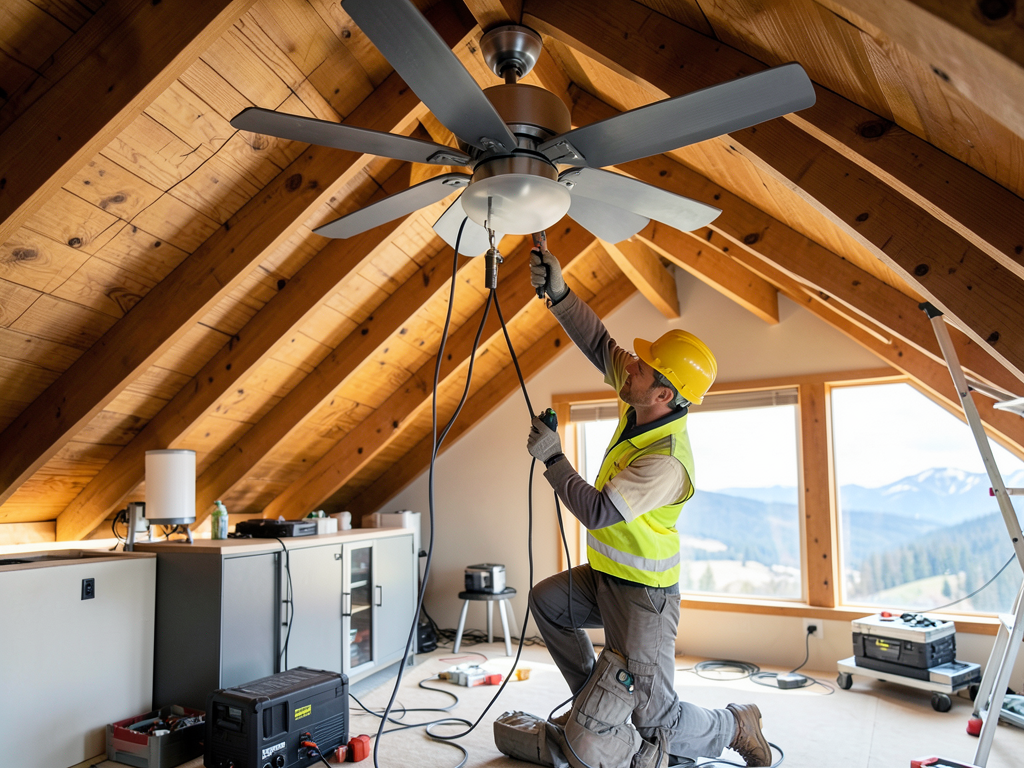
The difference between whole house fans and attic fans for cooling your Sun Valley house
Sun Valley homes face some of the hottest temperatures in Los Angeles County. When summer heat waves push attic temperatures above 150 degrees the choice between whole house fans and attic fans becomes critical for comfort and energy bills.
Both systems move air but they work in completely different ways. One cools your entire living space while the other protects your roof structure. Understanding this difference helps you make the right choice for your home.
How whole house fans cool your entire home
Whole house fans pull cool evening air through open windows and push hot indoor air out through the attic. This creates a powerful breeze throughout your living space. The fan mounts in the ceiling between your living area and attic.
When outdoor temperatures drop below indoor temperatures usually after sunset the fan exchanges all the air in your home within minutes. This active cooling process can lower indoor temperatures by 10 to 20 degrees overnight.
The cooling effect continues into the next day because your home’s structure absorbs the cooler air. This thermal mass cooling means your air conditioner runs less the following afternoon.
How attic fans protect your roof structure
Attic fans mount on your roof or gable ends and only move air inside the attic space. They do not affect your living area at all. These fans turn on when attic temperatures reach a set point usually around 100 to 110 degrees.
Their job is to exhaust super-heated air that builds up under your roof. Without ventilation that trapped heat radiates down into your rooms making your AC work harder. Attic fans prevent this heat transfer by keeping attic temperatures closer to outdoor levels.
Most attic fans are either hardwired electric models or solar-powered units. Solar models cost nothing to operate but provide less consistent airflow than electric versions.
Key differences between whole house and attic fans
The main difference is where the cooling happens. Whole house fans cool your living space while attic fans only cool the attic cavity.
Whole house fans require open windows to work creating potential security concerns at night. Attic fans run automatically without any window management.
Noise levels differ significantly. Older whole house fans can be loud at 60 to 70 decibels. Modern units like the QuietCool Pro-Series operate at 42 to 52 decibels about the sound of a refrigerator hum.
Energy use varies dramatically. A typical whole house fan uses 300 to 700 watts while an attic fan uses 10 to 30 watts. However whole house fans cool your entire home in minutes while attic fans run for hours.
Installation requirements for Los Angeles homes
Whole house fans need dedicated 120-volt circuits with proper grounding. Most installations require a new circuit breaker since the fan draws 2 to 6 amps continuously. Homes with older electrical panels may need upgrades before installation. Electrical Inglewood.
Attic fans connect to existing attic lighting circuits or get their own 15-amp circuit. Solar models need no electrical connection at all. Electrical Compton.
Both systems must meet California Title 24 energy code requirements. Whole house fans need automatic shutters that close when the fan turns off preventing heat loss in winter. Attic fans need proper intake ventilation to work effectively. California Title 24 Energy Code.
Building permits are required in Los Angeles for both installations. The process includes electrical inspections and ensures proper attic ventilation ratios. Electrical Long Beach.
Cost comparison for Sun Valley homeowners
Whole house fan installations typically cost between $1,500 and $3,500 depending on size and features. The fan itself costs $400 to $1,200 with installation labor and electrical work making up the rest.
Attic fan installations run $300 to $800 for electric models or $500 to $1,200 for high-end solar units. Installation is simpler since no electrical work is needed for solar versions.
Operating costs favor attic fans at about $3 to $10 per year versus $30 to $80 per year for whole house fans. But whole house fans can reduce AC usage by 50% or more during moderate weather saving hundreds annually.
Energy efficiency and utility rebates
Both systems qualify for LADWP and Southern California Edison rebates when meeting efficiency standards. Current rebates offer $100 to $300 for qualifying whole house fans and $50 to $150 for attic fans. LADWP energy efficiency rebates.
Whole house fans provide the biggest energy savings in Sun Valley’s climate. Our hot days followed by cool nights create perfect conditions for night cooling. A properly sized fan can cool a 2,000-square-foot home using less energy than a single 100-watt light bulb.
Attic fans save energy by reducing AC runtime but the savings are smaller. They prevent heat gain but do not actively cool your living space.
Noise considerations for LA neighborhoods
Noise is a major factor in dense Los Angeles neighborhoods. Older whole house fans could disturb neighbors but modern designs address this concern.
The QuietCool Pro-Series and similar models use advanced blade designs and vibration isolation to operate quietly. At 42 decibels you can hold a normal conversation underneath the fan.
Attic fans are generally quieter since they mount outside or in attic spaces. Electric models produce 45 to 55 decibels at the source but this is muffled by your roof structure.
Solar attic fans have no electrical noise but the fan motor still creates some sound during operation.
Climate factors specific to Sun Valley
Sun Valley experiences more extreme temperature swings than coastal LA areas. Summer days often exceed 95 degrees while nights cool to the 60s. This 30-degree swing makes whole house fans particularly effective.
The area’s low humidity helps whole house fans work efficiently. Moisture in the air reduces the cooling effect of air movement.
During Santa Ana wind events both systems should be turned off. These hot dry winds can actually increase attic temperatures and bring in dust and debris.
Wildfire season requires attention to air quality. When air quality indexes are high whole house fans should remain off to prevent bringing smoke indoors.
Maintenance requirements for Southern California
Sun Valley’s dust and pollen create specific maintenance needs. Whole house fans need annual cleaning of shutters and blades. Dust buildup reduces efficiency and can cause noise.
Attic fans need less frequent maintenance but should be checked annually. Solar panels on attic fans need cleaning every few months to maintain output.
Both systems benefit from professional inspection every two years. This checks electrical connections, mounting hardware, and ventilation effectiveness.
Replacing attic insulation may be necessary if your current insulation is compressed or inadequate. Proper insulation works with both fan systems to maximize efficiency.
When to choose a whole house fan
Choose a whole house fan if you want to cool your entire home and reduce AC usage. These work best in Sun Valley where cool nights provide free cooling potential.
Whole house fans make sense for homes without ductwork or for homeowners who prefer natural cooling methods. They also work well for two-story homes where upstairs bedrooms stay hot even with AC running.
Consider a whole house fan if your electric bills spike during summer months and you want to cut cooling costs without replacing your AC system.
When to choose an attic fan
Attic fans are the better choice if you want to protect your roof and reduce AC runtime without changing your lifestyle. They work automatically without any window management.
Choose an attic fan if you have adequate insulation and want to prevent heat gain but do not need active cooling of your living space.
Solar attic fans appeal to homeowners who want zero operating costs and minimal maintenance. They work well for protecting roof structures in older homes.
Installation timeline and process
Most whole house fan installations take one day for the fan and electrical work. Attic fan installations typically finish in half a day especially for solar models.
The process starts with a home assessment to determine proper sizing. Whole house fans need calculation based on your home’s volume typically 10 to 15 air changes per hour.
Attic fans are sized based on attic square footage and required ventilation. Most homes need 1 square foot of net free vent area for every 300 square feet of attic space.
Permits add 2 to 3 days to the timeline but ensure the installation meets Los Angeles building codes and safety standards.
Safety considerations for LA homes
Both systems require attention to safety. Whole house fans create negative pressure that can cause backdrafting in gas appliances. This requires proper attic ventilation and sometimes powered intake vents.
Carbon monoxide detectors become more important with whole house fans since the systems can affect combustion appliance operation.
Attic fans mounted on roofs create potential leak points. Professional installation with proper flashing prevents water intrusion during winter rains.
Both systems need proper electrical protection including dedicated circuits and appropriate overcurrent devices.
Long-term value and home resale
Whole house fans can increase home value by reducing operating costs and improving comfort. Buyers in Sun Valley often pay premiums for energy-efficient features.
Attic fans provide more modest value impact but protect your roof structure extending the life of roofing materials. This prevents expensive repairs and maintains home value.
Both systems show potential buyers that you have invested in home efficiency and comfort. This can differentiate your property in competitive LA real estate markets.
Frequently Asked Questions
Can I install both a whole house fan and an attic fan?
Yes. Many homeowners install both systems. The whole house fan cools your living space while the attic fan protects your roof structure. They work at different times and complement each other.
How do I know what size whole house fan I need?
Calculate your home’s volume in cubic feet then divide by 4 to 5 minutes for the desired air exchange rate. For example a 2,000-square-foot home with 8-foot ceilings needs a fan moving 3,200 to 4,000 cubic feet per minute.
Will a whole house fan work with my air conditioning?
Yes. Whole house fans work best when AC is off. Use the fan in the evening and early morning then switch to AC during the hottest afternoon hours. This combination provides maximum comfort and efficiency.
Making your final decision
The choice between whole house fans and attic fans depends on your cooling goals. Want to cool your entire home and cut AC bills? Choose a whole house fan. Want to protect your roof and reduce heat gain passively? Choose an attic fan.
Sun Valley’s climate makes whole house fans particularly effective. The cool night air provides free cooling that can dramatically reduce summer energy bills.
Both systems qualify for LADWP and SCE rebates making either choice more affordable. Professional installation ensures proper sizing, safe operation, and maximum efficiency.
Ready to improve your home’s cooling efficiency? Call Elite Electricians Los Angeles at (213) 277-8815 for a free assessment. We’ll help you choose the right system for your Sun Valley home and handle the complete installation with proper permits and code compliance. Is Your Sherman Oaks Home Ready for a 200 Amp Panel Upgrade?.
Don’t wait for another heat wave to make your home uncomfortable. Contact us today to schedule your consultation and take the first step toward lower energy bills and better indoor comfort.
{
“@context”: “https://schema.org”,
“@type”: “BlogPosting”,
“headline”: “The difference between whole house fans and attic fans for cooling your Sun Valley house”,
“description”: “Whole house fans vs attic fans in Sun Valley. Compare cooling power, energy savings, installation costs, and LADWP rebates for LA homes.”,
“wordCount”: 1888,
“datePublished”: “2026-04-21T11:35:00.000Z”,
“dateModified”: “2026-04-21T11:35:00.000Z”,
“inLanguage”: “en-US”,
“mainEntityOfPage”: {
“@type”: “WebPage”,
“@id”: “https://eliteelectricianslosangeles.com”
},
“publisher”: {
“@type”: “LocalBusiness”,
“name”: “Elite Electricians Los Angeles”,
“url”: “https://eliteelectricianslosangeles.com”
},
“author”: {
“@type”: “Organization”,
“name”: “Elite Electricians Los Angeles”,
“url”: “https://eliteelectricianslosangeles.com”
},
“image”: {
“@type”: “ImageObject”,
“url”: “https://eliteelectricianslosangeles.com/wp-content/uploads/2026/03/the-difference-between-whole-house-fans-and-attic-1.png”
}
}
{
“@context”: “https://schema.org”,
“@type”: “Electrician”,
“name”: “Elite Electricians Los Angeles”,
“url”: “https://eliteelectricianslosangeles.com”,
“address”: {
“@type”: “PostalAddress”,
“addressLocality”: “Los Angeles”
},
“areaServed”: {
“@type”: “City”,
“name”: “Los Angeles”
}
}
{
“@context”: “https://schema.org”,
“@type”: “FAQPage”,
“mainEntity”: [
{
“@type”: “Question”,
“name”: “Can I install both a whole house fan and an attic fan?”,
“acceptedAnswer”: {
“@type”: “Answer”,
“text”: “Yes. Many homeowners install both systems. The whole house fan cools your living space while the attic fan protects your roof structure. They work at different times and complement each other.”
}
},
{
“@type”: “Question”,
“name”: “How do I know what size whole house fan I need?”,
“acceptedAnswer”: {
“@type”: “Answer”,
“text”: “Calculate your home’s volume in cubic feet then divide by 4 to 5 minutes for the desired air exchange rate. For example a 2,000-square-foot home with 8-foot ceilings needs a fan moving 3,200 to 4,000 cubic feet per minute.”
}
},
{
“@type”: “Question”,
“name”: “Will a whole house fan work with my air conditioning?”,
“acceptedAnswer”: {
“@type”: “Answer”,
“text”: “Yes. Whole house fans work best when AC is off. Use the fan in the evening and early morning then switch to AC during the hottest afternoon hours. This combination provides maximum comfort and efficiency.”
}
}
]
}
{
“@context”: “https://schema.org”,
“@type”: “BreadcrumbList”,
“itemListElement”: [
{
“@type”: “ListItem”,
“position”: 1,
“name”: “Home”,
“item”: “https://eliteelectricianslosangeles.com”
},
{
“@type”: “ListItem”,
“position”: 2,
“name”: “Blog”,
“item”: “https://eliteelectricianslosangeles.com/blog”
},
{
“@type”: “ListItem”,
“position”: 3,
“name”: “The difference between whole house fans and attic fans for cooling your Sun Valley house”
}
]
}
{
“@context”: “https://schema.org”,
“@type”: “Service”,
“serviceType”: “Electricians”,
“provider”: {
“@type”: “LocalBusiness”,
“name”: “Elite Electricians Los Angeles”,
“url”: “https://eliteelectricianslosangeles.com”
},
“areaServed”: {
“@type”: “City”,
“name”: “Los Angeles”
},
“description”: “Whole house fans vs attic fans in Sun Valley. Compare cooling power, energy savings, installation costs, and LADWP rebates for LA homes.”
}