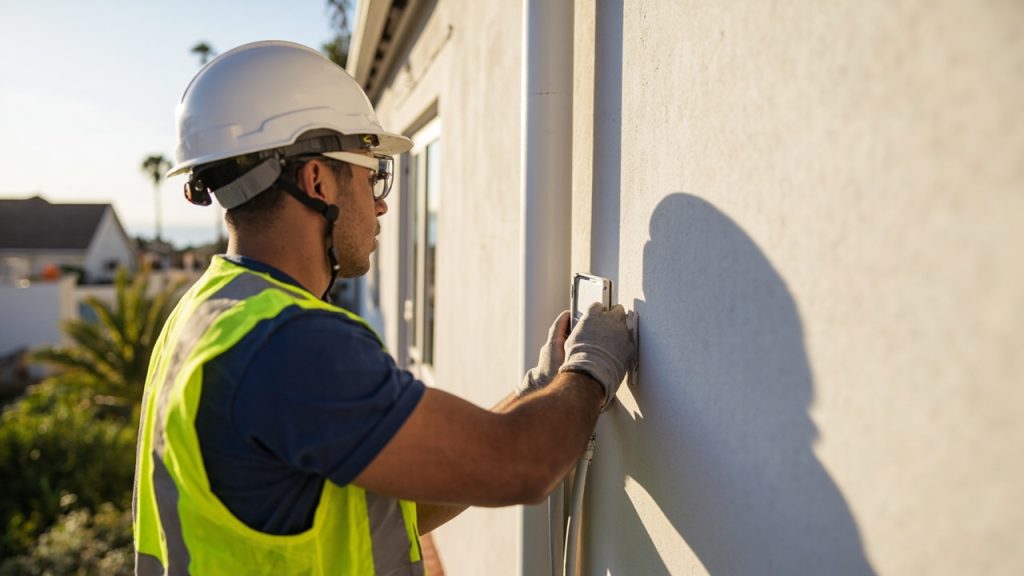
Expert Tesla Charger Installation in Santa Monica
You need a Tesla charger installed in your Santa Monica home, and you need it done right. The coastal climate and specific building codes in Santa Monica require more than just hanging a box on your wall. You need an electrician who understands California Title 24 energy standards, Santa Monica Building and Safety requirements, and the electrical load calculations that keep your home safe while charging a vehicle that draws significant power.
Elite Electricians Los Angeles installs Level 2 Tesla chargers in Santa Monica homes every month. We pull permits with the City of Santa Monica Building and Safety Division, handle all inspections, and complete installations in a single day for most homes. Your Tesla charges safely by evening.
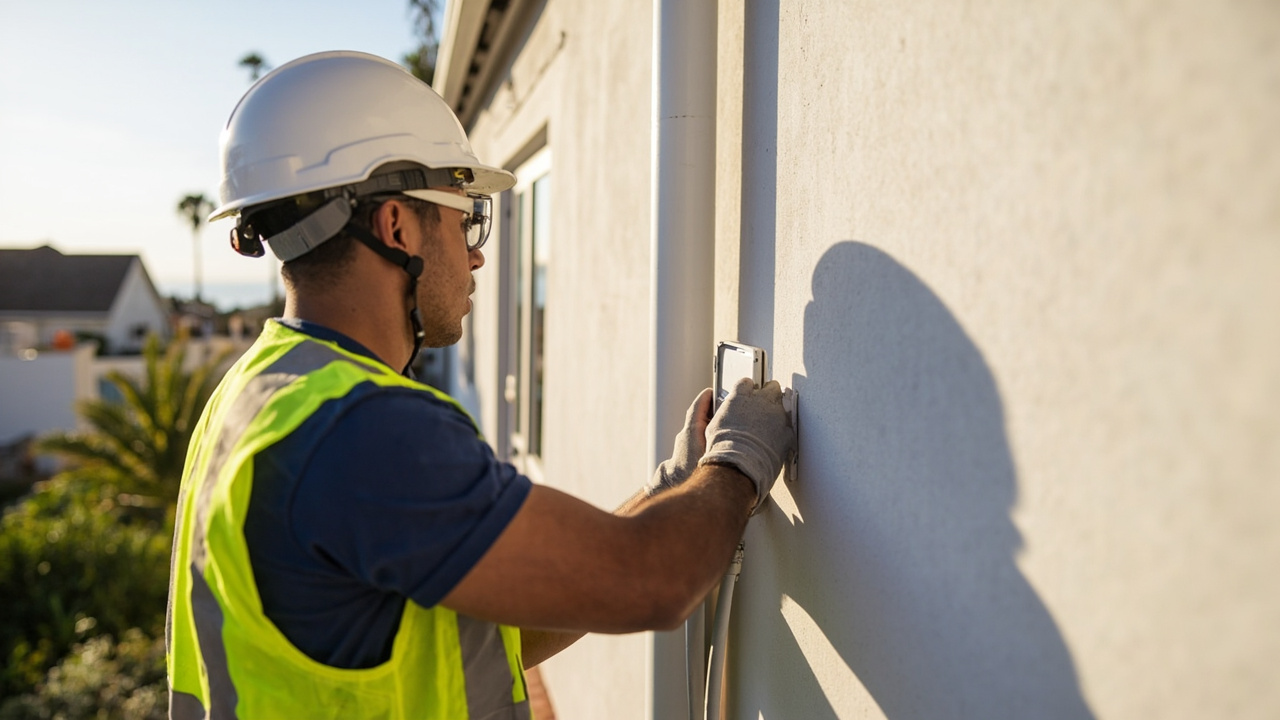
Why Santa Monica Homes Need Professional Tesla Charger Installation
Installing a Tesla Wall Connector is not a weekend DIY project for most Santa Monica properties. The City of Santa Monica enforces strict electrical code compliance under Title 24, which includes grounding requirements, breaker panel capacity verification, and conduit placement that meets seismic bracing standards. Coastal humidity accelerates corrosion on outdoor equipment, so the mounting and weatherproofing must exceed standard installation practices.
Santa Monica’s electrical grid operates under both Los Angeles Department of Water and Power (LADWP) and Southern California Edison (SCE) territories. Your home’s electrical panel may have limited capacity if you have an older service entrance. We assess your panel during a site visit and determine if you need a 200-amp main service upgrade before installing the charger.
The City of Santa Monica Building and Safety Division requires a permit before any EVSE (Electric Vehicle Supply Equipment) installation. We submit your application, handle plan review with city inspectors, and schedule the final inspection once the charger is energized. This process typically takes two to three weeks from permit submission to final approval. An unlicensed charger voids insurance coverage for electrical damage.
Why Timing Matters for Your Santa Monica Installation
Permit backlogs in Santa Monica fluctuate seasonally. Winter months from November through January experience reduced demand, allowing faster city plan review and inspection scheduling. Summer months from June through August see increased building permit submissions as homeowners prepare for vacation season and higher temperatures increase air conditioning loads. If you submit your permit application during summer peak season, expect the city’s plan review to extend from five to ten business days up to two to three weeks. Winter submissions often receive approval within five to seven business days.
Utility coordination with Southern California Edison and LADWP also depends on seasonal demand. If your home requires a 200-amp service upgrade, meter work scheduling stretches during peak demand season when the utilities manage grid stress. A winter service upgrade completes within seven to ten business days. A summer upgrade may delay two to four weeks waiting for the utility to schedule meter installation.
Scheduling your installation now rather than waiting until spring or summer accelerates your entire project timeline. Early action puts your charger in service by the time warm weather increases your driving and charging frequency. Submit your permit application within the next two weeks to secure faster city approval and utility coordination. Your charger installation completes while permit backlogs remain manageable.
Certified Tesla Wall Connector Installation Process
A Tesla Wall Connector Gen 3 is the fastest residential charging option available. It delivers up to 44 miles of range per hour on a 240-volt circuit. The charger itself costs between four hundred to six hundred dollars, but the installation labor depends on your electrical panel location, available amperage, and conduit routing.
Our installation follows this sequence. First, we conduct a load calculation to verify that adding a 48-amp dedicated breaker does not exceed your panel’s capacity. The National Electrical Code requires that a single appliance can draw no more than 80 percent of your breaker’s rated capacity. A Tesla charger on a 60-amp breaker means your panel must have at least 75 amps available after accounting for all other loads in your home.
Next, we route conduit from your electrical panel to the charger location. Most Santa Monica homes have panel boxes in the garage or on an exterior wall. We use Schedule 80 PVC conduit in seismic zones or rigid metallic conduit if the run is longer than 50 feet. The route avoids water lines, gas pipes, and structural beams. In Spanish Colonial Revival homes common in Santa Monica neighborhoods like Ocean Park, we position the conduit to remain inconspicuous along existing trim or architectural features.
We then install a new 48-amp double-pole breaker in your main panel and run four-gauge copper wire through the conduit to the charging location. The Tesla Wall Connector mounts on the wall and connects to this dedicated circuit. All connections meet manufacturer specifications and we test for voltage drop and ground resistance.
Tesla Wall Connector Gen 3 vs Competitor Products
The Tesla Wall Connector Gen 3 stands apart from alternative charging solutions in key ways. We compare it directly to the JuiceBox and ChargePoint Home systems to help you understand why we recommend it for Santa Monica installations.
| Specification | Tesla Wall Connector Gen 3 | JuiceBox Pro 40 | ChargePoint Home Flex |
| Max Charging Speed | 44 miles range per hour at 48 amps | 32 miles range per hour at 32 amps | 25 miles range per hour at 25 amps |
| Voltage Support | 208V to 240V, single or split phase | 240V only, requires split phase | 120V to 240V flexible voltage |
| Built-in Load Management | Tesla-integrated smart grid features via app | Requires separate hardware module | Cloud-based monitoring with app |
| Weatherproofing for Salt Air | IP54 rated, sealed design for coastal salt spray | IP65 rated but exposed connector terminals | IP65 rated with protective shroud |
| Integrated Charging Cable | Permanent 24-foot attached cable | Detachable cable sold separately | Detachable cable sold separately |
| Typical Equipment Cost | 400 to 600 dollars | 500 to 700 dollars | 600 to 800 dollars |
| Installation Complexity in Santa Monica | Standard 48-amp breaker and conduit | 32-amp breaker, same conduit routing | 25-amp breaker, flexible voltage options |
| Resale Appeal | High, Tesla ecosystem integration preferred | Good, but requires app separate from vehicle | Good, universal compatibility across EV brands |
For Santa Monica coastal properties, the Tesla Wall Connector Gen 3 offers superior corrosion resistance through its sealed IP54 design. The integrated charging cable eliminates the storage and weather protection burden that separate cable chargers require. This matters in Santa Monica’s salt-laden air environment.
Santa Monica Permitting and Code Compliance
The City of Santa Monica Building and Safety Division manages all electrical permits under the California Electrical Code. EVSE installations fall under Article 625 of the code and require specific documentation before the city will issue a permit.
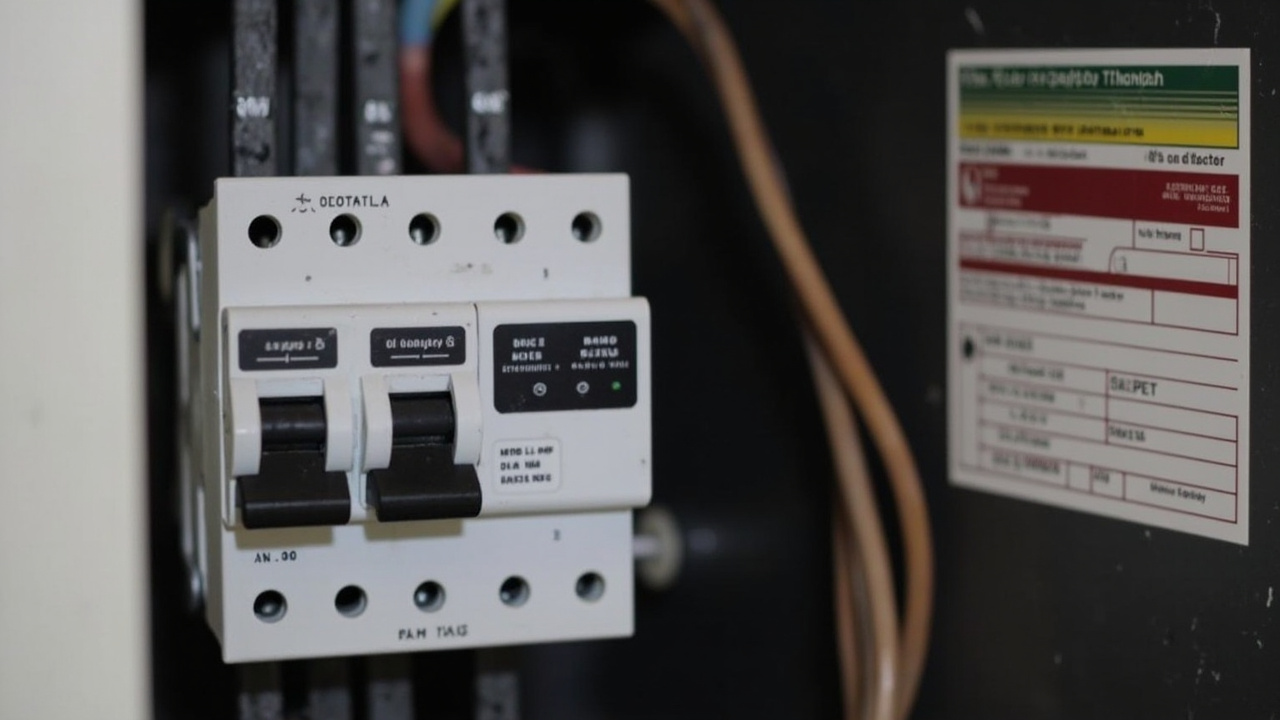
Your permit application includes the load calculation, the electrical panel one-line diagram showing breaker placement, the conduit routing plan, and proof of a C-10 electrical contractor license. We provide all of this documentation. The city’s plan review typically takes five to ten business days.
Once your permit receives approval, we schedule the installation. After the charger is installed and all connections are complete, the city sends an inspector to verify that the installation matches the approved plans. This final inspection ensures the charger is grounded correctly, the conduit is properly secured with seismic bracing, and the breaker is correctly rated.
Santa Monica also enforces Title 24 energy efficiency standards. This means your charger installation must not create an electrical load that exceeds your home’s baseline demand. If your panel is at capacity, we recommend a service upgrade to 200 amps, which Santa Monica allows on most residential properties.
Panel Upgrades and Load Calculations for Santa Monica Homes
Your electrical panel is the bottleneck. Many Santa Monica homes built in the 1960s and 1970s have 100-amp service panels. Adding a 48-amp charger circuit on a 100-amp panel leaves only 52 amps for your entire household load of air conditioning, water heating, cooking, and lighting. During a summer heatwave when your AC runs constantly, the panel trips.
We calculate your home’s actual peak demand by reviewing past utility bills and walking through your home to count major appliances. A modern Santa Monica home typically demands 80 to 120 amps during peak usage. We then specify a 200-amp service upgrade if needed.
A 200-amp service upgrade requires new conduit from the utility pole to your meter, a new meter can, a new main breaker panel, and potentially new grounding rods. This work takes two to three days and requires coordination with Southern California Edison or LADWP for the final meter swap. The city schedules a separate inspection for the panel upgrade.
The cost of a 200-amp upgrade varies based on the distance from the utility line to your home and soil conditions. Santa Monica’s coastal geology includes expanded clay soils that may require deeper grounding rod installation. We quote each upgrade individually after assessing your specific home.
Installation Timeline for Santa Monica Tesla Charger Setup
Most Santa Monica homes with adequate electrical service and an existing 200-amp panel receive a Tesla charger installation within one to two weeks from the date you sign our contract.
| Step | Timeline | Notes |
| Site Assessment and Load Calculation | Same day (1 hour) | We visit your home, inspect the electrical panel, measure distances, and calculate available capacity |
| Permit Preparation and City Submission | 2 to 3 business days | We prepare plans and submit to Santa Monica Building and Safety Division |
| City Plan Review | 5 to 10 business days | City inspector reviews electrical plans and code compliance |
| Installation Day | 1 day (6 to 8 hours) | We install the panel breaker, conduit, wiring, and Tesla Wall Connector. Charger is operational by end of day |
| City Final Inspection | 3 to 5 business days from installation request | City inspector verifies installation meets approved plans. We coordinate the inspection appointment |
| Permit Close-Out and Certificate of Completion | 1 to 2 business days after final inspection | City issues certificate. Your charger is now permanently licensed and insurable |
If your home requires a 200-amp service upgrade, add 7 to 14 additional days to coordinate with the utility company. SCE and LADWP schedule meter work weeks in advance during peak demand season. We manage this timeline and keep you informed every step.
Local Rebates and Incentives for Santa Monica EV Charger Installation
The federal government offers a 30 percent tax credit on residential EV charging equipment through 2026. The credit applies to the Tesla Wall Connector purchase and the installation labor. You claim this credit on Form 8911 when you file your federal tax return. The maximum credit is one thousand five hundred dollars per charging unit.
Southern California Edison offers demand management rebates for customers who install Level 2 chargers and enroll in off-peak charging programs. SCE pays upfront rebates of up to five hundred dollars if you install a charger with smart scheduling capabilities. The Tesla Wall Connector supports SCE’s Time-of-Use rates, which means you charge during cheaper nighttime hours and reduce peak demand charges.
The California Energy Commission manages state-level EV infrastructure funding. While most grant programs require public charging stations, some utility-specific programs provide incentives for home installations. SCE publishes updated incentive information on their website. We review available rebates during your initial consultation and ensure your installation qualifies.
Santa Monica itself does not currently offer direct rebates for home EV charger installation. The city focuses on public charging infrastructure along Montana Avenue and near Santa Monica Pier. Santa Monica’s Green Building Code classifies EV-ready homes as high efficiency, which may reduce your annual property assessment in some cases. We clarify these local incentives during your consultation.
Tesla Wall Connector versus NEMA 14-50 Outlet
You have two options for home EV charging. The Tesla Wall Connector Gen 3 is a dedicated charger that delivers maximum power and includes built-in safety features. The NEMA 14-50 outlet is a standard 240-volt receptacle that connects to any EV charging cable compatible with SAE J1772 connectors.
| Feature | Tesla Wall Connector | NEMA 14-50 Outlet |
| Max Charging Speed | Up to 44 miles of range per hour at 48 amps | Up to 25 miles of range per hour at 32 amps |
| Weather Durability | IP54 rated for coastal salt spray and humidity. Tesla engineering controls temperature | Requires weatherproof cover. Less protection for connectors in salt air |
| Cable Included | Permanently attached to the wall mount. No cable to manage or store | Requires separate cable that you connect each time. Cable requires storage and weather protection |
| Installation Cost | Equipment cost plus electrician labor for breaker and conduit | Lower equipment cost. Same electrician labor for breaker and conduit |
| Insurance Coverage | Approved by major insurers. Lower premiums in some cases | Acceptable but requires documented installation by licensed electrician |
| Future Resale Value | Permanent installation increases home value perception. Buyers prefer dedicated chargers | Portable if you use a mobile connector. Less attractive to buyers seeking fast charging |
Tesla recommends the Wall Connector for all permanent installations. Santa Monica’s coastal humidity accelerates corrosion on outdoor plugs and connectors. The Wall Connector’s integrated design and weatherproof casing resist salt spray far better than a standard receptacle outlet exposed to ocean air just a few miles away.
We install the Wall Connector on 95 percent of Santa Monica jobs. The NEMA 14-50 option works for budget-conscious customers who may relocate within two to three years, but for permanent Santa Monica properties, the Wall Connector is the professional choice.
Why Climate and Location Matter for Your Santa Monica Charger
Santa Monica’s coastal environment presents specific challenges that generic installation guides overlook. The Pacific Ocean sits two miles west of most Santa Monica residential neighborhoods. Salt-laden air corrodes unprotected electrical equipment. Summer temperatures reach the low 80s, but the marine layer keeps peak heat below what inland neighborhoods experience. Winter temperatures rarely drop below 50 degrees Fahrenheit.
This temperate climate means your charger runs year-round without the freeze-thaw cycles that crack equipment in colder climates. The real concern is corrosion. Standard outdoor electrical outlets require weatherproof covers and frequent inspection. The Tesla Wall Connector’s sealed design eliminates this maintenance burden.
Santa Monica also sits in a seismic zone. The Elsinore Fault and Newport-Inglewood Fault structures run through the greater Los Angeles basin. California building codes require flexible conduit for electrical runs longer than six feet to allow for ground movement. We use Schedule 40 flexible conduit rated for seismic compliance. Rigid conduit alone violates code and fails inspection.
The city’s building codes also address liquefaction risk in low-lying coastal areas. If your property falls within a liquefaction zone as mapped by the U.S. Geological Survey, the California Building Code requires that your grounding rods reach stable soil below the liquefaction layer. We verify this during the site assessment and ensure proper grounding depth.
Neighborhoods We Serve in the Santa Monica Area
We complete Tesla charger installations across Santa Monica and the immediately adjacent Ocean Park and Sunset Park neighborhoods. These three contiguous coastal areas share similar architectural styles, electrical infrastructure patterns, and building code requirements. Santa Monica proper contains the downtown commercial district and most residential neighborhoods bounded by Wilshire Boulevard to the north and the Pacific Ocean to the south. Ocean Park sits immediately north of Santa Monica with mid-century modern homes built in the 1950s and 1960s. Sunset Park extends further north along the coast toward Malibu with newer construction and contemporary designs.
This geographic clustering allows us to develop deep expertise in local permitting, utility coordination, and site-specific electrical challenges. Ocean Park’s mid-century modern homes often have 100-amp panels that require upgrades before charger installation. Sunset Park features newer construction with adequate electrical service. Santa Monica’s Spanish Colonial Revival and contemporary homes present varied panel configurations. Properties near Santa Monica Pier and Montana Avenue commercial district face increased salt spray exposure, requiring upgraded weatherproofing standards. We handle all scenarios regularly and adjust our installation approach based on each home’s specific panel, conduit routing, and building code requirements.
Steps to Schedule Your Santa Monica Tesla Charger Installation
- Contact Elite Electricians for a Free Site Assessment
Call or text to schedule a one-hour site visit. We assess your electrical panel capacity, calculate the charger’s power draw, and identify any service upgrades needed. This consultation is free and carries no obligation.
- Receive a Detailed Written Estimate
We provide a cost breakdown that separates equipment, labor, permitting, and utility coordination fees. We disclose the timeline for permit approval and installation scheduling.
- Approve the Estimate and Sign the Service Agreement
Once you approve the estimate, we prepare permit applications and submit them to the City of Santa Monica Building and Safety Division.
- Permit Approval and Installation Scheduling
The city reviews your plans for five to ten business days. Once approved, we coordinate your installation date. You choose a morning that works with your schedule.
- Installation Day
Our team arrives early morning, completes all electrical work by mid-afternoon, and tests the charger thoroughly. Your Tesla charges safely by evening.
- Final City Inspection and Certification
We schedule the city’s final inspection. Once approved, the city issues a Certificate of Completion. Your installation is now licensed and permanently recorded with Santa Monica Building and Safety.
Why Choose Elite Electricians for Your Santa Monica Installation
We hold a C-10 electrical contractor license issued by the State of California. We carry workers compensation insurance and general liability coverage. Our team members have completed Tesla Certified Installer training and maintain current knowledge of California electrical code updates.
Our electricians have completed thousands of residential EV charger installations across Santa Monica and the broader Los Angeles area. We understand the specific challenges of coastal homes, aging panel installations, and Santa Monica’s building department review process. We submit permits correctly the first time, anticipate inspection concerns, and coordinate utility work without confusion.
We provide transparent pricing with no hidden fees. We disclose permitting costs upfront and explain why service upgrades are necessary. We do not push unnecessary work.
We gather feedback from every installation and maintain quality through ongoing team training. Our commitment to code compliance and customer communication reflects in the professional installations we deliver every month in Santa Monica.
Frequently Asked Questions
Tesla charger installation timeline from start to finish
The permitting process takes two to three weeks from the day you sign our contract until the city approves your plans. The actual installation takes one day. The final city inspection happens within three to five business days of installation completion. Total timeline from first contact to final certification is typically four to five weeks for homes with adequate electrical service.
Do you need to upgrade your electrical panel to install a Tesla charger
Most Santa Monica homes built after 1980 with a 200-amp panel do not require an upgrade. Homes with 100-amp panels almost always need an upgrade to safely accommodate a 48-amp charger circuit alongside existing loads. We calculate your specific situation during the site assessment.
Installing a Tesla charger and your home insurance coverage
Most homeowners insurance policies cover properly permitted electrical installations with no rate increase. We provide the city’s Certificate of Completion to your insurance company as proof of compliance. An unlicensed installation voids coverage in the event of electrical damage.
Can you install the Tesla charger yourself
California law requires a licensed C-10 electrical contractor to perform the work. DIY installation violates code, fails city inspection, and voids your warranty. We recommend hiring a professional.
Difference between Level 1 and Level 2 charging
Level 1 charging uses a standard 120-volt household outlet and delivers three to five miles of range per hour. Level 2 charging uses 240-volt and delivers 25 to 44 miles of range per hour depending on amperage. The Tesla Wall Connector is a Level 2 charger and is the standard for home installations.
Your electric bill increase with a Tesla charger
A Tesla Model 3 or Model Y uses approximately fifteen to seventeen kilowatt-hours to charge fully. At current Southern California Edison rates, a full overnight charge costs three to four dollars. Your specific bill increase depends on your driving habits and whether you enroll in Time-of-Use rates that SCE offers to EV charging customers.
Permits required by the City of Santa Monica
You need an Electrical Permit from the City of Santa Monica Building and Safety Division before installation begins. The permit includes plan review and a final inspection. We handle the entire permitting process for you.
Next Steps for Your Santa Monica Tesla Charger
Stop scheduling service calls with electricians who ignore permitting or offer to install your charger without city approval. Your Tesla charger protects your home’s electrical integrity only when installed to code and properly inspected.
Contact Elite Electricians Los Angeles today. Call or text us to schedule your free site assessment. We visit your Santa Monica home, measure your electrical panel capacity, and provide a transparent estimate. You receive a clear timeline from permitting through final inspection. If you have questions about your specific home’s requirements, ask us now. We respond within two hours during business days.
Your Tesla is ready to charge fast, safely, and legally. Let us make it happen.
Learn more about electrical services in nearby areas We also serve customers in Culver City and Long Beach with the same expertise and commitment to code compliance.
Additional Resources For information on California electrical code requirements and EV charging standards, visit the California Energy Commission and the National Fire Protection Association for the National Electrical Code specifications.
{
“@context”: “https://schema.org”,
“@type”: “BlogPosting”,
“headline”: “Get a Tesla charger installed in your Santa Monica home fast”,
“description”: “Expert Tesla charger installation in Santa Monica. Same-day permits, code-compliant setup, federal tax credits available.”,
“wordCount”: 3547,
“datePublished”: “2026-03-13T06:27:00.000Z”,
“dateModified”: “2026-03-13T06:27:00.000Z”,
“inLanguage”: “en-US”,
“mainEntityOfPage”: {
“@type”: “WebPage”,
“@id”: “https://eliteelectricianslosangeles.com”
},
“publisher”: {
“@type”: “LocalBusiness”,
“name”: “Elite Electricians Los Angeles”,
“url”: “https://eliteelectricianslosangeles.com”
},
“author”: {
“@type”: “Organization”,
“name”: “Elite Electricians Los Angeles”,
“url”: “https://eliteelectricianslosangeles.com”
},
“image”: {
“@type”: “ImageObject”,
“url”: “https://eliteelectricianslosangeles.com/wp-content/uploads/2026/03/get-a-tesla-charger-installed-in-your-santa-monica-1.jpg”
}
}
{
“@context”: “https://schema.org”,
“@type”: “Electrician”,
“name”: “Elite Electricians Los Angeles”,
“url”: “https://eliteelectricianslosangeles.com”,
“address”: {
“@type”: “PostalAddress”,
“addressLocality”: “Los Angeles”
},
“areaServed”: {
“@type”: “City”,
“name”: “Los Angeles”
}
}
{
“@context”: “https://schema.org”,
“@type”: “BreadcrumbList”,
“itemListElement”: [
{
“@type”: “ListItem”,
“position”: 1,
“name”: “Home”,
“item”: “https://eliteelectricianslosangeles.com”
},
{
“@type”: “ListItem”,
“position”: 2,
“name”: “Blog”,
“item”: “https://eliteelectricianslosangeles.com/blog”
},
{
“@type”: “ListItem”,
“position”: 3,
“name”: “Get a Tesla charger installed in your Santa Monica home fast”
}
]
}
{
“@context”: “https://schema.org”,
“@type”: “Service”,
“serviceType”: “Electricians”,
“provider”: {
“@type”: “LocalBusiness”,
“name”: “Elite Electricians Los Angeles”,
“url”: “https://eliteelectricianslosangeles.com”
},
“areaServed”: {
“@type”: “City”,
“name”: “Los Angeles”
},
“description”: “Expert Tesla charger installation in Santa Monica. Same-day permits, code-compliant setup, federal tax credits available.”
}